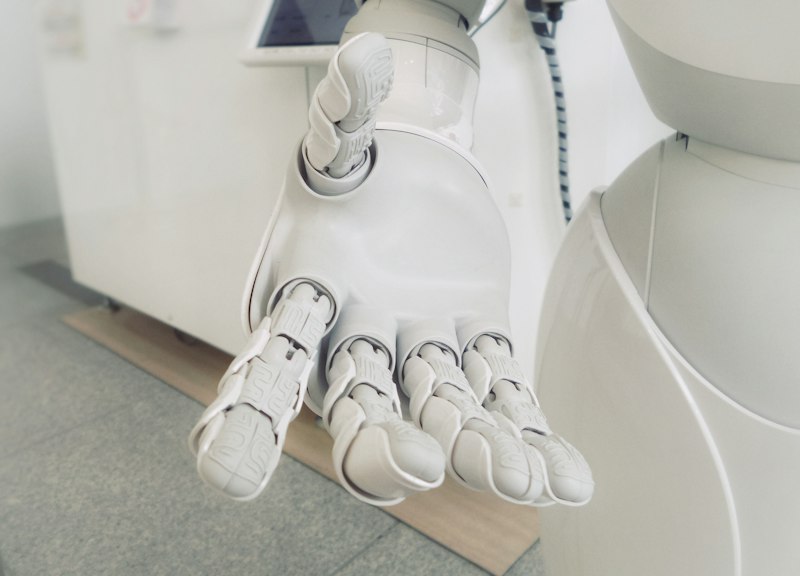
AI and Technology Industry: Key Updates and Insights
The artificial intelligence and technology sectors are experiencing rapid advancements that are reshaping industries, economies, and societal norms. As AI continues to evolve, it offers unprecedented opportunities yet poses significant ethical and practical challenges. This article delves into the latest updates in the AI and technology industry, exploring who benefits, who is excluded, and how these developments are redefining the human experience.
The Rise of Generative AI
Generative AI, particularly in the form of large language models, is transforming content creation across multiple domains. Companies like OpenAI, Google, and others are leading the charge, developing powerful models that can generate text, images, and even music. These technologies promise to enhance creativity and productivity, yet they also raise concerns about intellectual property and job displacement.
"We are at a juncture where AI can augment human creativity, but we must ensure that it does not replace the human touch," says Dr. Emily Carter, a leading AI ethicist.
AI in Healthcare: Revolutionizing Patient Care
AI's role in healthcare is expanding, with applications ranging from diagnostic tools to personalized medicine. Machine learning algorithms are improving the accuracy of disease detection and enabling predictive analytics for patient care. However, critical issues such as data privacy and algorithmic bias remain significant hurdles that healthcare institutions must address to ensure equitable outcomes.
Recent studies indicate that AI-driven diagnostic tools can outperform traditional methods in certain areas, yet the risk of exacerbating existing healthcare disparities persists if these tools are not implemented thoughtfully.
Automation and the Future of Work
Automation, powered by AI, is reshaping the landscape of work in unprecedented ways. While it promises efficiency and cost savings, it also threatens to displace workers in sectors ranging from manufacturing to service industries. The World Economic Forum predicts that by 2025, automation could displace 85 million jobs globally, while also creating 97 million new roles that require different skill sets.
This shift necessitates a reimagining of workforce training and education systems to equip workers with the skills needed to thrive in an AI-driven economy.
Ethical Considerations and Governance
As AI technologies become more integrated into daily life, the ethical implications of their deployment come to the forefront. Issues such as algorithmic bias, transparency, and accountability are critical concerns that require robust governance frameworks. Policymakers and technologists must collaborate to establish standards that protect human dignity and ensure equitable access to AI’s benefits.
"Ethical AI is not just a technical challenge but a societal one. We must build systems that reflect our collective values and prioritize fairness," emphasizes Dr. Raj Patel, a policy advisor.
Conclusion: Navigating the AI-Driven Future
The AI and technology industry continues to evolve at a breathtaking pace, offering both transformative potential and significant challenges. As we navigate this AI-driven future, it is crucial to maintain a human-first approach, ensuring that technology serves to uplift and empower all members of society. Balancing innovation with ethical considerations will be key to harnessing AI's full potential while safeguarding human dignity and agency.
As these technologies advance, ongoing dialogue among developers, policymakers, and the public will be essential in shaping a future where AI enhances rather than diminishes the human experience.
About the Author
Aaron India explores how artificial intelligence reshapes what it means to be human — and what we must protect in the process.