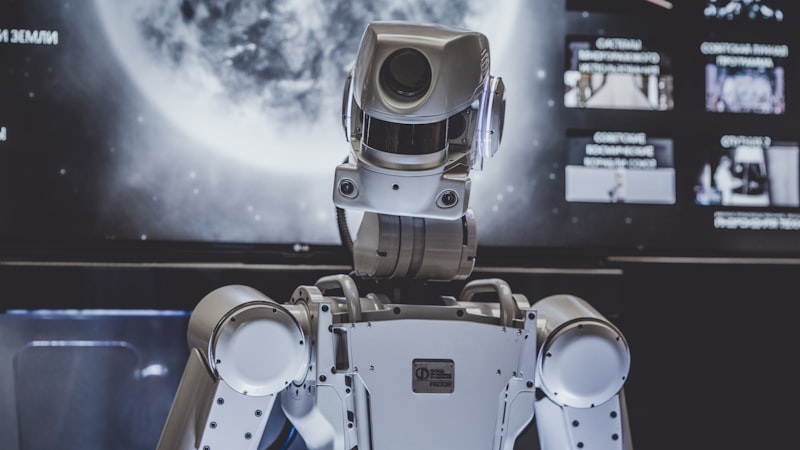
AI and Technology Industry: Navigating the Future of Innovation
As technology continues to evolve at an unprecedented pace, the AI industry stands at the forefront of innovation. The recent advancements in artificial intelligence have not only transformed the tech industry but have also reshaped societal norms and expectations. This article delves into the latest updates within the AI and technology sectors, examining the impacts on labor, ethics, and governance.
The Rise of Generative AI: Opportunities and Challenges
Generative AI has become a buzzword in the tech community, with applications ranging from content creation to personalized customer experiences. This technology has the potential to revolutionize industries by automating creative processes and enhancing productivity.
However, the rise of generative AI also poses significant challenges. Concerns over intellectual property rights and the authenticity of AI-generated content are becoming increasingly prevalent. As AI systems become capable of producing human-like outputs, distinguishing between genuine and artificial creations becomes a daunting task.
"Generative AI is both a boon and a bane for the creative industries. While it democratizes content creation, it also blurs the lines of originality and ownership." - Dr. Emily Tran, AI Ethics Researcher
AI and the Workforce: A Double-Edged Sword
The integration of AI into the workforce has sparked debates about job displacement and the future of work. While AI systems can perform repetitive tasks more efficiently, there is a growing concern about the potential loss of jobs, particularly in sectors reliant on manual labor.
On the flip side, AI also creates new job opportunities, especially in fields related to AI development, maintenance, and ethics. The key lies in reskilling the workforce to adapt to these new demands, ensuring that the transition is equitable and inclusive.
- Automation of repetitive tasks
- Emergence of new job roles
- Need for reskilling and upskilling
Ethical AI: Striving for Fairness and Transparency
As AI systems become more integrated into daily life, the ethical implications of their deployment cannot be ignored. Issues such as algorithmic bias and data privacy remain critical areas of concern. Companies and governments are increasingly under pressure to ensure that AI technologies are developed and implemented responsibly.
Efforts to create fair and transparent AI systems include the development of ethical guidelines and the adoption of frameworks for evaluating AI's societal impact. These measures aim to address inequality and discrimination that can arise from biased algorithms.
Governance and Policy: The Role of Regulation
The rapid advancement of AI technology necessitates robust regulatory frameworks to ensure that these innovations benefit society as a whole. Policymakers are tasked with balancing the need for innovation with the protection of citizens' rights and safety.
Recent developments in AI regulation indicate a move towards greater oversight and accountability. Governments worldwide are exploring policies that promote ethical AI development while addressing the potential risks associated with its deployment.
"Effective regulation is essential to harness the potential of AI while safeguarding public interest. It's about finding the right balance between innovation and protection." - Senator Alex Martinez
Conclusion: Charting a Path Forward
The AI and technology industries are at a critical juncture, where the decisions made today will shape the future of innovation and society. While the opportunities presented by AI are immense, it is imperative that these advancements are guided by principles of ethics, equity, and inclusivity.
As we navigate this rapidly changing landscape, the collaboration between technologists, ethicists, policymakers, and the public will be crucial in ensuring that AI serves the greater good. By centering human dignity, creativity, and agency in the development of AI, we can unlock its full potential while safeguarding our shared future.
About the Author
Aaron India explores how artificial intelligence reshapes what it means to be human — and what we must protect in the process.