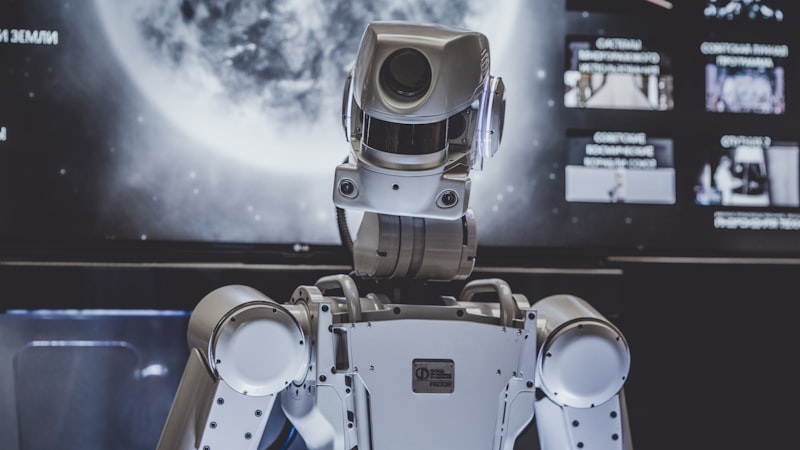
AI and Technology Industry Updates: Navigating a Transformative Era
The landscape of the technology industry continues to be dynamically reshaped by the rapid advancements in artificial intelligence (AI). This evolution is not only redefining how businesses operate but is also prompting profound societal changes. As AI continues to mature, its implications on labor, ethics, and global governance are becoming increasingly significant.
AI's Role in the Future of Work
AI is poised to revolutionize the workplace by automating routine tasks and augmenting human capabilities. Recent studies suggest that AI could potentially automate up to 30% of tasks in 60% of occupations over the next decade. This shift presents both opportunities and challenges for workers worldwide.
While AI can enhance productivity and efficiency, it also raises concerns about job displacement. A recent report by the World Economic Forum highlights that while AI may displace 85 million jobs by 2025, it is also expected to create 97 million new roles, primarily in fields like data analysis, AI development, and digital marketing.
"The key to navigating this transition is reskilling and upskilling the workforce to prepare for the new roles that AI will create." — Klaus Schwab, Founder and Executive Chairman of the World Economic Forum.
Ethical Considerations in AI Development
As AI systems become more integrated into daily life, ethical considerations are gaining prominence. Issues such as algorithmic bias, data privacy, and misinformation have prompted calls for more stringent regulations and responsible AI development practices.
The European Union has taken a proactive stance by proposing the AI Act, aimed at ensuring that AI systems are transparent, accountable, and free from bias. This legislative framework could serve as a model for other regions looking to balance innovation with ethical responsibility.
AI in Governance and Decision-Making
AI's potential to transform governance is substantial, offering tools for more efficient public administration and policy-making. However, the use of AI in decision-making processes also raises questions about transparency and accountability.
Countries like Estonia have spearheaded initiatives to integrate AI into government services, promoting efficiency and citizen engagement. Yet, the challenge remains to ensure that AI-driven decisions are fair, unbiased, and respect individual rights.
"AI in governance holds the promise of improved services, but it must be implemented with a focus on human rights and democratic values." — Siim Sikkut, Government CIO of Estonia.
The Cultural Impact of AI
Beyond its economic and political implications, AI is also influencing cultural narratives and identity. The proliferation of AI-generated content, from art to literature, is prompting debates about creativity and originality in the digital age.
Moreover, the rise of virtual selves and digital avatars raises questions about identity and authenticity. As AI continues to evolve, it is crucial to consider how these technologies shape our understanding of what it means to be human.
Conclusion: A Call for Responsible Innovation
As AI continues to advance, the responsibility lies with developers, companies, and governments to ensure that these technologies are used ethically and equitably. By centering human dignity and creativity, society can harness the potential of AI to uplift rather than undermine human values.
The future of AI is a shared journey, one that requires collaboration and thoughtful consideration of its impact on humanity. As we stand at the cusp of this transformative era, the path forward must be guided by a commitment to innovation that serves all of humanity.
About the Author
Aaron India explores how artificial intelligence reshapes what it means to be human — and what we must protect in the process.