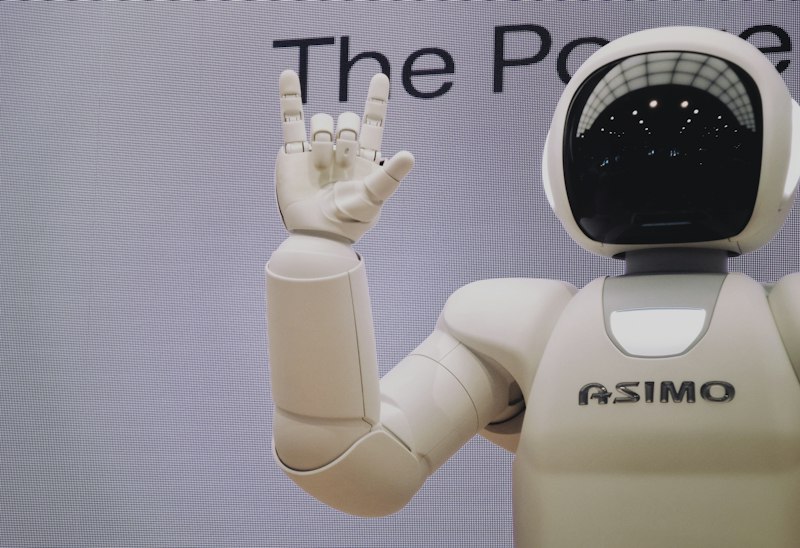
AI and Technology Industry Updates: Navigating the Future
As technology continues to advance at a breakneck pace, the artificial intelligence (AI) sector remains at the forefront of innovation. With recent developments reshaping industries from healthcare to finance, it is essential to explore who benefits, who is left behind, and how these changes redefine what it means to work and live in a digital world.
AI's Growing Impact on the Workforce
The integration of AI into the workplace is transforming labor dynamics across the globe. Automation is increasingly handling tasks once performed by humans, raising both opportunities and concerns. On one hand, AI can undertake repetitive tasks, potentially freeing workers to engage in more complex, creative, and rewarding activities. On the other, there is a growing fear of job displacement, particularly in sectors such as manufacturing and customer service.
A recent study by the World Economic Forum highlights that by 2025, 85 million jobs may be displaced by automation, while at the same time, 97 million new roles may emerge, adapted to a new division of labor between humans, machines, and algorithms.
Ethical Challenges and Algorithmic Bias
As AI systems become more prevalent, ethical considerations take center stage. One pressing issue is algorithmic bias, where AI models may inadvertently perpetuate or even amplify existing social inequalities. This is particularly significant in areas like criminal justice and healthcare, where biased algorithms can lead to unfair treatment or discrimination.
"AI systems are only as unbiased as the data they are trained on," says Dr. Joy Buolamwini, founder of the Algorithmic Justice League. "It's crucial for developers to recognize and address these biases to ensure fair and equitable outcomes."
AI in Healthcare: Promises and Pitfalls
The healthcare industry is witnessing profound changes through AI-driven solutions. From predictive analytics that enhance patient care to AI-powered diagnostics tools that improve accuracy, the potential benefits are vast. However, the integration of AI into healthcare also raises concerns about data privacy and the need for human oversight in critical decision-making processes.
For example, AI algorithms can analyze complex datasets to identify patterns that may go unnoticed by human clinicians, yet the reliance on these systems must be balanced with ethical considerations regarding consent and data security.
AI Governance and Global Policy Initiatives
Governments around the world are grappling with the challenges of regulating AI technologies while fostering innovation. The European Union has been proactive, with the proposal of the AI Act aiming to establish a regulatory framework that prioritizes human rights and safety.
Similarly, countries like the United States and China are investing heavily in AI research and development, recognizing the strategic importance of these technologies in shaping future economic and geopolitical landscapes. However, global cooperation remains essential to set coherent standards and address the cross-border implications of AI deployment.
Conclusion: Shaping an Inclusive AI Future
The rapid evolution of AI technologies presents both exciting opportunities and significant challenges. As we navigate this transformative era, it is imperative that we prioritize human dignity, equity, and ethical considerations in AI development and deployment. By doing so, we can harness the potential of AI to uplift society, while ensuring that no one is left behind in the digital transformation.
By fostering inclusive policies, investing in education and reskilling efforts, and engaging diverse voices in the conversation, we can work toward an AI-powered future that truly benefits all.
About the Author
Aaron India explores how artificial intelligence reshapes what it means to be human — and what we must protect in the process.