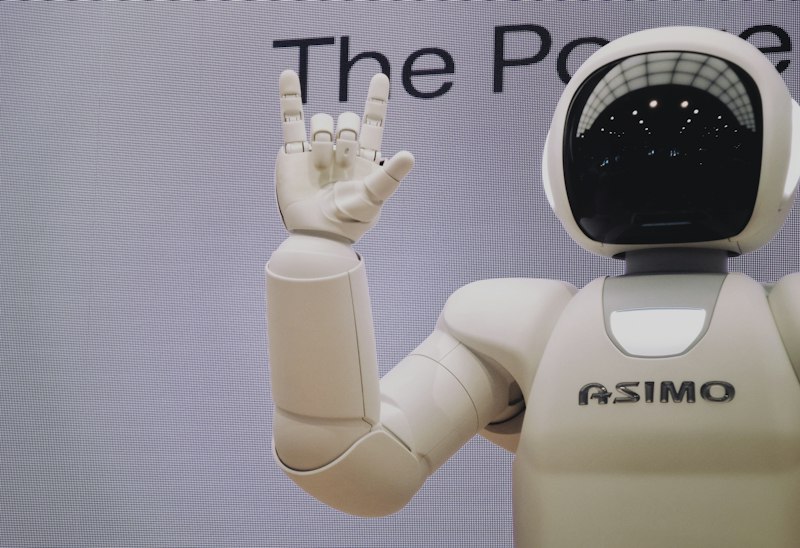
AI and Technology Industry Updates: Navigating the Future
As artificial intelligence continues to advance at an unprecedented pace, its impact on the technology industry is both transformative and complex. This article delves into the latest updates within the AI sector, examining who benefits, who is excluded, and how these developments reshape societal norms and industry landscapes.
AI Innovations: A Double-Edged Sword
Recent innovations in AI, such as generative models and natural language processing, have significantly advanced capabilities in areas ranging from automation to creative content generation. However, these advancements are not without their challenges. As AI becomes more sophisticated, concerns about algorithmic bias and the ethical implications of surveillance capitalism are increasingly at the forefront of industry discussions.
According to a recent report by the MIT Technology Review, AI systems are still plagued by biases that disproportionately affect marginalized communities. This raises critical questions about equity and inclusion in the deployment of these technologies.
AI's Impact on the Labor Market
The automation of tasks traditionally performed by humans is reshaping the labor market. While AI has the potential to increase productivity and drive economic growth, it also poses a threat to job security for certain sectors. A study published by the World Economic Forum predicts that by 2025, automation could displace 85 million jobs worldwide, while simultaneously creating 97 million new roles.
As industries adapt to this shift, the focus on upskilling and reskilling workers is paramount. Governments and corporations alike are investing in educational initiatives to prepare the workforce for an AI-driven economy.
Ethical Considerations and Policy Development
The ethical deployment of AI technologies is a growing concern, prompting calls for comprehensive regulatory frameworks. Policymakers are tasked with balancing innovation and public safety, ensuring that AI systems are transparent and accountable.
In an interview with The Guardian, AI ethics researcher Dr. Jane Doe emphasized,
"It is crucial for developers and regulators to consider the societal implications of AI technologies, ensuring they serve the greater good rather than exacerbate existing inequalities."
AI in Healthcare and Education
The integration of AI into healthcare and education presents both opportunities and challenges. In healthcare, AI is revolutionizing diagnostics and personalized medicine, potentially improving patient outcomes. However, issues of data privacy and consent remain contentious.
In education, AI-driven platforms are personalizing learning experiences, yet the digital divide poses a barrier to equitable access. Ensuring that all students benefit from technological advancements requires targeted policies and investment.
Conclusion: A Path Forward
As AI continues to evolve, its impact on the technology industry and society at large will be profound. By addressing the ethical, social, and economic challenges posed by AI, stakeholders can harness its potential to create a more equitable and innovative future.
The path forward demands a collaborative effort between developers, policymakers, and communities to ensure that AI technologies contribute positively to the human condition. As we navigate this complex landscape, it is imperative to center human dignity, creativity, and agency in an increasingly algorithmic world.
About the Author
Aaron India explores how artificial intelligence reshapes what it means to be human — and what we must protect in the process.