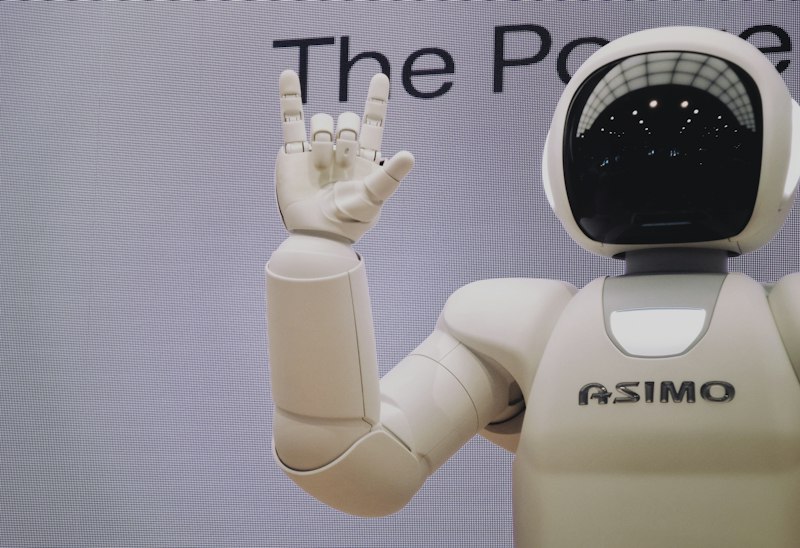
AI and Technology Industry Updates: Navigating the Future
In the rapidly evolving landscape of artificial intelligence and technology, significant developments continue to shape industries and redefine human experiences. From groundbreaking AI models to ethical challenges, the tech industry faces both unprecedented opportunities and complex dilemmas. This article explores recent updates in AI and technology, analyzing their implications for society and highlighting key areas of impact.
AI Breakthroughs: Pushing the Boundaries of Innovation
Recent months have witnessed remarkable advancements in AI capabilities. Notably, the release of generative AI models, capable of creating text, images, and even music, has captured public imagination. These models, driven by deep learning techniques, promise to revolutionize creative industries and enhance productivity across sectors. As AI systems become more sophisticated, questions about their ethical use and potential biases have gained prominence.
"The potential of AI is immense, but we must remain vigilant about its ethical deployment," said Dr. Emily Tran, a leading AI ethicist.
Ethical Concerns and Regulation
The rapid proliferation of AI technologies raises significant ethical concerns, particularly regarding privacy, bias, and misinformation. The tech industry faces mounting pressure to address these issues through robust regulatory frameworks. Governments worldwide are grappling with how to balance innovation with safeguarding citizens' rights. The European Union, for instance, is spearheading efforts to establish comprehensive AI regulations aimed at ensuring transparency and accountability.
As highlighted by recent reports, algorithmic bias remains a critical challenge, as AI systems often reflect and amplify societal inequalities. Activists and researchers advocate for more inclusive datasets and diverse teams in AI development to mitigate these biases.
AI in the Workforce: Redefining Employment
The integration of AI into the workplace is transforming the nature of work, with automation poised to replace certain tasks while creating new opportunities. Industries such as manufacturing, logistics, and customer service are increasingly adopting AI-driven solutions to enhance efficiency. This shift necessitates a reevaluation of workforce skills and the implementation of reskilling programs to prepare employees for the future job market.
However, the transition is not without challenges. Concerns about job displacement and the gig economy's expansion underscore the need for policies that protect workers' rights and ensure equitable access to emerging opportunities.
The Future of AI: Opportunities and Challenges
As AI technologies continue to evolve, they hold the potential to address some of humanity's most pressing challenges, from climate change to healthcare access. Yet, realizing this potential requires a concerted effort from governments, industry leaders, and civil society to prioritize ethical considerations and foster collaboration.
The tech industry stands at a crossroads, where decisions made today will shape the future trajectory of AI and its impact on society. By centering human dignity, creativity, and agency in AI development, we can harness its power to uplift and empower rather than displace and divide.
Conclusion
The latest updates in AI and technology underscore the dual nature of innovation: a source of immense potential and profound responsibility. As we navigate this complex landscape, it is imperative to engage in thoughtful dialogue, prioritize ethical considerations, and work towards a future where technology serves humanity. By doing so, we can ensure that AI remains a tool for progress, fostering a more equitable and inclusive world.
About the Author
Aaron India explores how artificial intelligence reshapes what it means to be human — and what we must protect in the process.