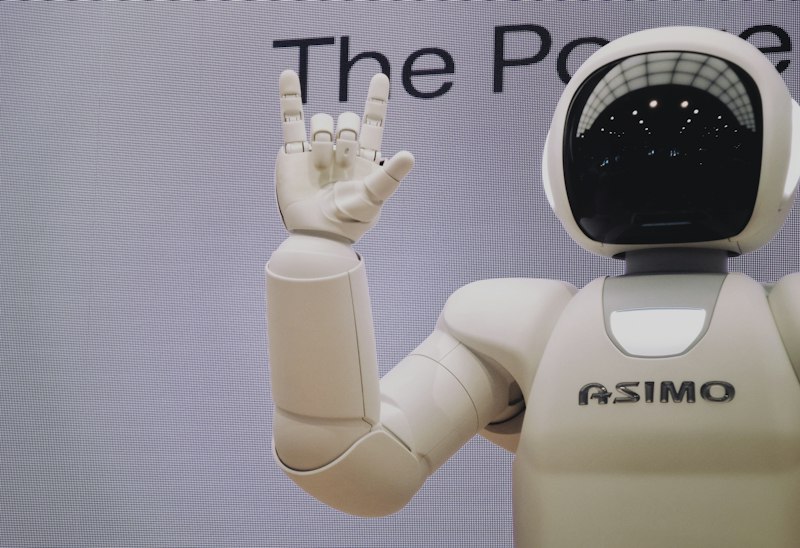
AI and Technology Industry Updates: Navigating the New Frontier
As artificial intelligence continues to evolve at a rapid pace, the technological landscape is undergoing significant transformations. From reshaping global labor markets to redefining ethical paradigms, AI is at the forefront of modern innovation. This article delves into the latest developments in the AI and technology industry, offering insights into how these changes are impacting society and the world at large.
AI in the Workforce: Automation and Beyond
The integration of AI into the workforce is no longer a distant future but a present reality. Companies are increasingly deploying AI-driven automation tools to enhance productivity and efficiency. According to a recent study by McKinsey, automation could replace up to 25% of work activities by 2030. While this may boost economic productivity, it also raises concerns about job displacement and the future of human labor.
Notably, the gig economy is experiencing a transformation with AI-powered platforms optimizing task allocation and performance tracking. However, as gig workers become more dependent on algorithmic management, questions about fairness and transparency in these systems persist.
Ethical Challenges: Bias and Surveillance
AI systems are only as impartial as the data they are trained on, which often reflects societal biases. AI bias has emerged as a critical issue, particularly in sectors like criminal justice and healthcare. Algorithmic decisions in these areas can have profound consequences, potentially perpetuating existing inequalities.
"AI has the potential to reinforce systemic bias unless developers actively work to mitigate it," says Dr. Lisa Perez, an AI ethics researcher. "Transparent and inclusive data practices are essential."
Moreover, the rise of surveillance technologies fueled by AI poses significant privacy concerns. The ability to track individuals' movements and behaviors raises ethical questions about consent and civil liberties. Governments and companies must navigate these challenges with caution and responsibility.
Innovation in AI: Healthcare and Education
Despite ethical concerns, AI continues to be a catalyst for innovation, particularly in healthcare and education. In the medical field, AI is being leveraged to accelerate drug discovery, personalize treatment plans, and improve diagnostic accuracy. For instance, AI algorithms have shown promise in detecting diseases like cancer at earlier stages, potentially saving countless lives.
In education, AI is transforming how students learn and teachers instruct. Adaptive learning platforms powered by AI can tailor educational content to individual student needs, fostering a more personalized learning experience. However, ensuring equitable access to these technologies remains a significant challenge.
Policy and Governance: Regulating AI for the Public Good
As AI technology becomes more pervasive, the need for comprehensive policy frameworks to govern its use is becoming increasingly urgent. Policymakers worldwide are grappling with how to regulate AI in a manner that balances innovation with ethical considerations. The European Union's proposed AI Act is one example of an effort to establish clear guidelines for AI deployment, emphasizing the importance of human oversight and accountability.
Industry leaders and governments must collaborate to create policies that safeguard public interests while fostering technological growth. This includes addressing issues such as data privacy, security, and equitable access to AI resources.
Conclusion: Charting a Human-Centric AI Future
The rapid advancements in AI and technology present both opportunities and challenges. As we navigate this new frontier, it is crucial to prioritize human dignity, creativity, and agency. By fostering inclusive and ethical AI practices, we can harness the potential of these innovations to create a more equitable and just society.
In the words of renowned technologist Tim O'Reilly,
"The future is not something we enter. The future is something we create."It is our collective responsibility to ensure that the AI-driven future is one that benefits all of humanity.
About the Author
Aaron India explores how artificial intelligence reshapes what it means to be human — and what we must protect in the process.