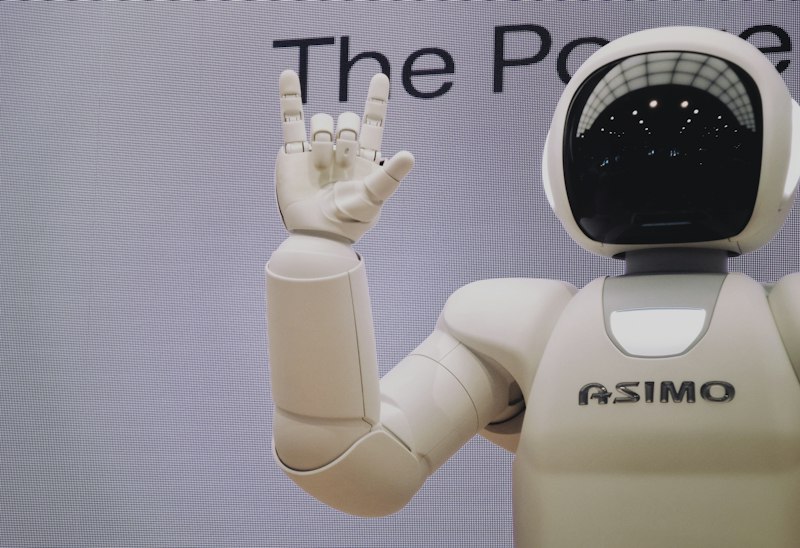
AI and Technology: Navigating an Era of Rapid Innovation
The technology industry is witnessing a remarkable period of innovation, driven largely by advances in artificial intelligence (AI). From reshaping industries to redefining societal norms, AI has become a cornerstone of modern technological evolution. As we navigate this era of rapid change, it is crucial to understand the breadth of AI’s impact and the ethical considerations that accompany its widespread adoption.
The Current Landscape of AI Innovation
In 2023, AI continues to redefine the boundaries of technological capability. With developments in machine learning, natural language processing, and computer vision, AI systems are becoming increasingly sophisticated. Major technology companies, such as Google, Microsoft, and OpenAI, are leading the charge in AI research and development, investing billions into creating more advanced and capable AI models.
One notable advancement is the rise of Generative AI, which includes technologies capable of creating text, images, and even music. These systems have found applications in diverse fields, from content creation to virtual reality, offering new tools for creativity and innovation.
Implications for Labor and Society
The integration of AI into the workforce has profound implications for labor dynamics. Automation continues to transform industries, affecting jobs that involve repetitive manual tasks. While this can lead to increased efficiency and productivity, it also raises concerns about job displacement and the need for reskilling.
Moreover, AI is influencing how we interact with technology, shifting from traditional interfaces to more natural, intuitive experiences. Affective computing, which allows machines to recognize and respond to human emotions, is spearheading this shift, although it also raises questions about privacy and consent.
Ethical and Governance Challenges
As AI technologies become more pervasive, ethical concerns are increasingly at the forefront. Issues of algorithmic bias, surveillance, and data privacy necessitate robust frameworks for AI governance. Policymakers worldwide are grappling with how to regulate AI in a way that balances innovation with societal well-being.
"Ensuring that AI technologies are developed and deployed ethically is not just a technical challenge, but a societal imperative," says Dr. Priya Raman, a leading expert in AI ethics.
Governments and international bodies are working on creating comprehensive policies that address these challenges, striving to establish standards that ensure fairness and accountability in AI systems.
The Role of AI in Shaping Future Narratives
AI is not only reshaping industries but also influencing cultural narratives. From film to literature, AI is increasingly portrayed as both a tool of empowerment and a source of existential risk. These narratives shape public perception and can influence policy decisions, highlighting the need for informed and balanced discussions about AI's role in society.
As AI continues to evolve, it is vital to engage with these narratives critically, fostering a public understanding that is both hopeful and realistic about AI's potential and limitations.
Conclusion: Charting a Path Forward
The rapid advancements in AI present both opportunities and challenges. It is imperative that as a global society, we direct AI development towards enhancing human dignity, creativity, and agency. By centering ethical considerations and prioritizing equitable access, we can harness AI's transformative potential to build a future that benefits all.
As we continue to explore the implications of AI and technology, we must remain vigilant and proactive in addressing the complex questions that arise, ensuring that technology serves humanity, not the other way around.
About the Author
Aaron India explores how artificial intelligence reshapes what it means to be human — and what we must protect in the process.