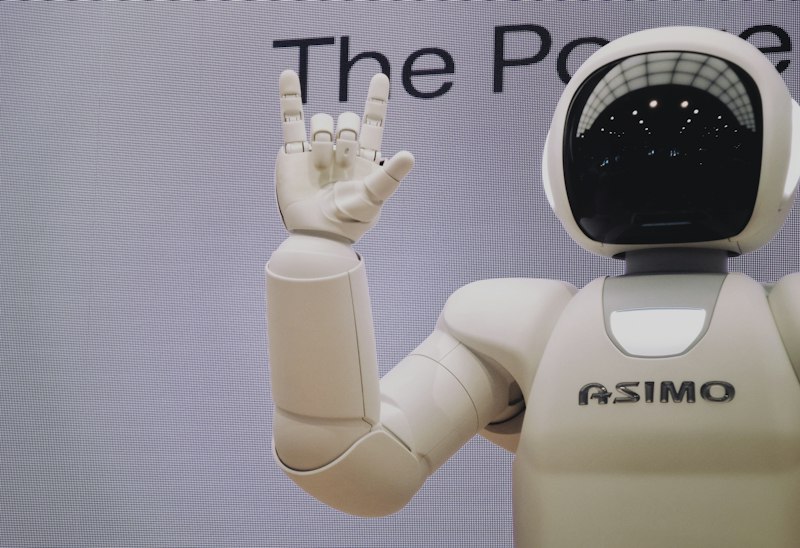
AI and Technology: Navigating the Latest Industry Transformations
The rapid evolution of artificial intelligence and related technologies is reshaping industries across the globe. As we stand on the brink of unprecedented technological transformation, it becomes crucial to understand not just the innovations themselves, but also their broader implications on society, culture, and the human condition. From the integration of AI in various sectors to the ethical considerations it raises, the landscape is both promising and complex.
The Rise of AI in Healthcare
Healthcare is one of the sectors experiencing significant changes due to AI. The integration of machine learning algorithms in diagnostic processes has improved accuracy and efficiency. For instance, AI-driven imaging tools are now capable of detecting diseases at stages earlier than human doctors can. According to a recent study published in The Lancet Digital Health, these tools can reduce diagnostic errors by up to 30%.
However, the implementation of AI in healthcare also raises critical concerns. Issues of data privacy and bias in AI algorithms are at the forefront. As Dr. Maya Patel, a leading researcher in medical AI ethics, notes,
"We must ensure that AI systems are trained on diverse datasets to avoid systemic biases that could lead to unequal healthcare outcomes."
AI and the Future of Work
The deployment of AI technologies in the workplace is altering the nature of jobs and the skills required to perform them. Automation is increasingly handling repetitive tasks, leading to a shift in workforce demands. While this transition provides opportunities for enhanced productivity, it also poses challenges for workers whose roles are at risk of obsolescence.
In the words of labor economist John C. Morley,
"With every wave of automation, the need for reskilling becomes more urgent. Policy interventions must focus on workforce retraining to bridge the gap."As industries adapt, it is essential to develop frameworks that center human dignity and creativity in the evolving job market.
Data Privacy and Surveillance Concerns
The proliferation of AI technologies has led to significant concerns about data privacy and surveillance. As companies amass vast amounts of personal data to train their algorithms, questions about consent and user rights have emerged. The controversial use of facial recognition technology by law enforcement agencies has sparked international debate about the balance between security and privacy.
Recent legislative efforts, such as the European Union's proposed AI Act, aim to establish clear guidelines for ethical AI deployment. These regulations prioritize transparency, accountability, and the protection of fundamental rights, setting a precedent for global governance of AI.
Cultural Narratives and Public Imagination
AI's impact extends beyond practical applications, influencing cultural narratives and the public imagination. Films, literature, and art are increasingly exploring themes of human interaction with AI, often reflecting societal anxieties and hopes. This cultural engagement serves as a lens through which we can examine our collective relationship with technology.
As artist and AI researcher Anna Kim articulates,
"Art allows us to question and interpret the implications of AI in ways that purely technical discussions cannot. It brings a humanistic perspective to the forefront."
Conclusion: Charting a Thoughtful Course
As AI technologies continue to evolve, they hold the potential to significantly enhance human capabilities and address global challenges. Yet, this potential can only be realized through deliberate and ethical engagement with AI's societal and cultural dimensions. By centering human dignity, equity, and agency in our approaches to AI, we can ensure that technological advances work for the benefit of all.
In navigating this complex landscape, stakeholders—including developers, companies, policymakers, and the public—must collaborate to shape a future where AI serves as a force for positive change.
About the Author
Aaron India explores how artificial intelligence reshapes what it means to be human — and what we must protect in the process.