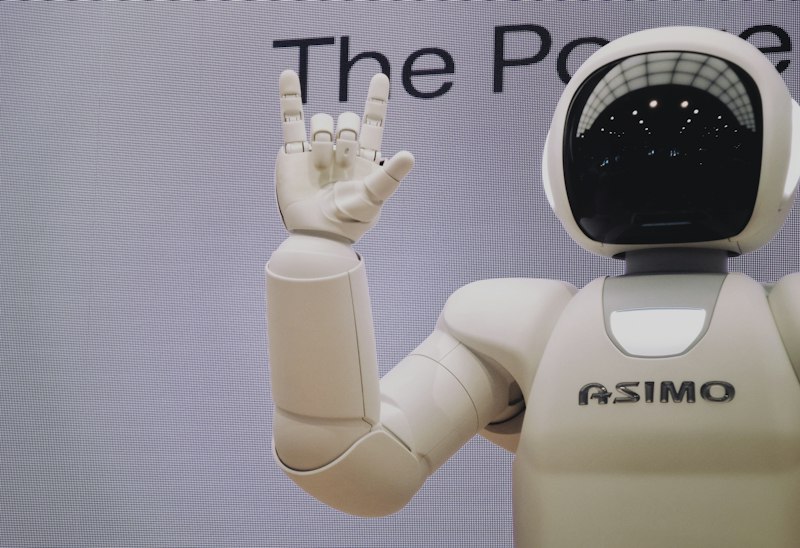
AI and Technology: Navigating the Shifting Landscape of Innovation
In the ever-evolving realm of technology, artificial intelligence (AI) stands as a transformative force reshaping industries, economies, and societies. As we delve into the latest updates from the AI and technology sectors, we witness a dynamic interplay of innovation, ethics, and socio-economic implications. This article explores the recent developments, opportunities, and challenges that define our current technological epoch.
Emerging Trends in AI Research and Development
AI research continues to push the boundaries of what machines can achieve, with significant advancements in areas such as natural language processing, computer vision, and reinforcement learning. Recently, AI models have become more adept at understanding human language, enabling more intuitive interactions between humans and machines. Companies like OpenAI and Google are at the forefront, developing systems that can generate text, answer questions, and even create art.
Moreover, the integration of AI into autonomous systems, such as self-driving cars and drones, is progressing at an accelerated pace. These technologies promise to revolutionize transportation and logistics but also raise critical questions about safety, privacy, and regulatory frameworks.
The Ethical Implications of AI Deployment
As AI systems become more pervasive, the ethical dimensions of their deployment gain urgency. Bias in AI algorithms remains a pressing concern, with instances of AI systems displaying racial or gender bias in decision-making processes. Researchers are actively working on developing fairer algorithms, but the challenge lies in ensuring these solutions are implemented across the industry.
“The responsibility of AI developers extends beyond technical proficiency; it encompasses a commitment to ethical integrity and equity.” — Dr. Eliza Matthews, AI Ethics Researcher.
Furthermore, the rise of surveillance technologies powered by AI has sparked debates about privacy and consent. Governments and companies face increasing scrutiny over how they collect, store, and utilize personal data, emphasizing the need for robust privacy laws and transparent data practices.
AI’s Impact on the Workforce
The impact of AI on the labor market is profound, with automation reshaping job landscapes across various sectors. While AI-driven automation can enhance productivity and efficiency, it also poses a threat to traditional employment models. Jobs in manufacturing, retail, and even white-collar professions are susceptible to automation, necessitating a re-evaluation of workforce skills and education systems.
On the flip side, AI is creating new opportunities, particularly in tech-centric roles such as data analysis, AI ethics consulting, and machine learning engineering. Reskilling and upskilling initiatives are critical to prepare the workforce for the AI-driven future, ensuring that workers can transition smoothly into emerging roles.
Global Policy and Governance in the Age of AI
Governments worldwide are grappling with the task of regulating AI technologies. The European Union’s proposed AI Act aims to create a comprehensive legal framework for AI, focusing on risk-based regulation. This legislative effort serves as a potential model for other regions, balancing innovation with public safety and ethical standards.
International collaboration is crucial to address the global implications of AI, from cybersecurity threats to economic disparities. Policymakers must engage in dialogues that transcend borders and foster a collective approach to harnessing AI for the common good.
Conclusion: Embracing a Thoughtful Future
As AI continues to advance, it is imperative that stakeholders across sectors — from developers to policymakers — approach its implementation with foresight and responsibility. The promise of AI to enhance human capabilities and address societal challenges is immense, but only if it is guided by principles of equity, transparency, and respect for human dignity. In this transformative era, we must strive to ensure that AI not only serves technological aspirations but also enriches the human experience.
About the Author
Aaron India explores how artificial intelligence reshapes what it means to be human — and what we must protect in the process.