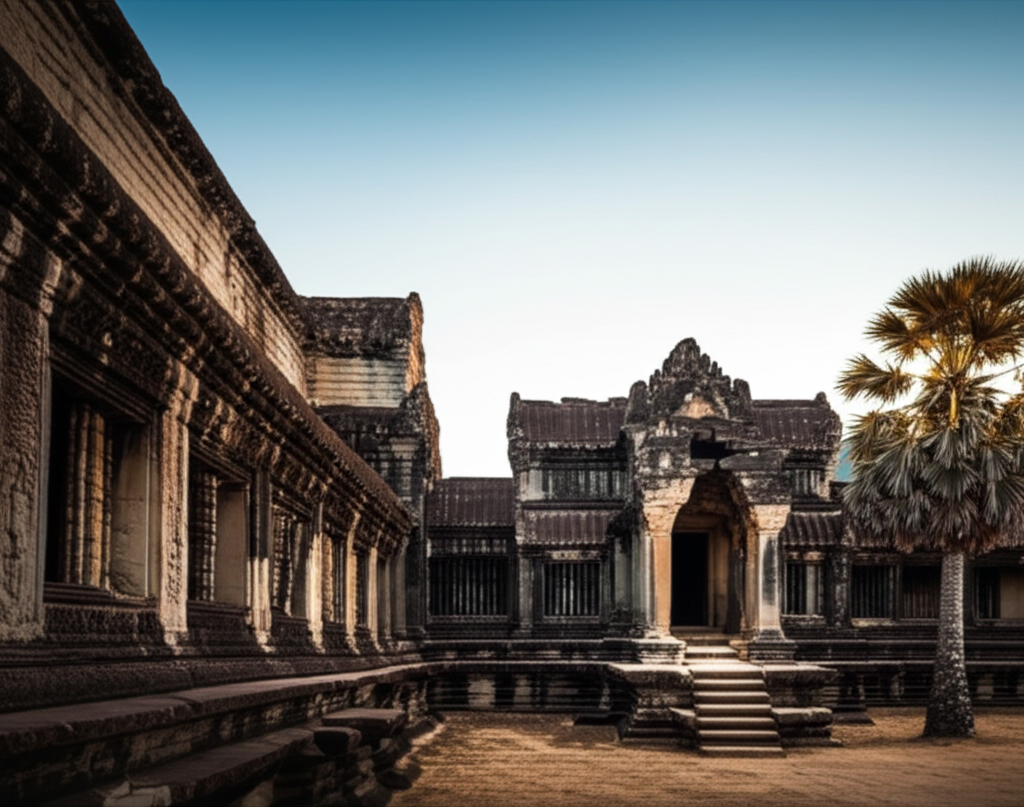
Angkor Wat, Cambodia: An Unmissable Bucket List Destination
Angkor Wat, a stunning testament to Cambodia's cultural heritage and architectural ingenuity, stands as one of the most captivating destinations on the planet. As the largest religious monument in the world, Angkor Wat not only captures the imagination with its grandeur and intricate artistry, but it also offers a profound spiritual experience that resonates deeply with visitors from around the globe.
Why Angkor Wat is Unmissable
Angkor Wat is a masterpiece of Khmer architecture, originally constructed in the early 12th century as a Hindu temple dedicated to the god Vishnu, before gradually transforming into a Buddhist site. Its sheer scale, coupled with the exquisite bas-reliefs and towering spires, make it a wonder of the ancient world. The temple complex reflects the zenith of Khmer innovation, symbolizing the universe in stone. Its historical significance and aesthetic majesty render it a must-see for any traveler seeking to explore humanity's cultural achievements.
Best Time to Visit
The optimal time to visit Angkor Wat is during the dry season, which spans from November to April. During these months, the weather is cooler and less humid, making it more comfortable to explore the expansive temple complex. Mornings and late afternoons are particularly magical, as the sun casts a golden hue over the ancient stones, and the crowds are thinner, allowing for a more intimate experience.
What Makes Angkor Wat Unique
Angkor Wat's uniqueness lies in its blend of spiritual symbolism and architectural perfection. The temple is oriented to the west, a direction typically associated with death in Hinduism, which has led scholars to suggest that it was intended as a funerary temple for King Suryavarman II. The intricate carvings and reliefs adorning its walls depict epic narratives from Hindu mythology, offering a vivid glimpse into the cultural and religious life of the Khmer Empire. The temple's design is a microcosm of the Hindu universe, with the central tower symbolizing Mount Meru, the center of all physical, metaphysical, and spiritual universes in Hindu and Buddhist cosmology.
Practical Tips for Visiting
Visitors are advised to dress modestly, as Angkor Wat is a sacred site. This means wearing clothing that covers shoulders and knees. Hiring a knowledgeable local guide can greatly enhance your visit, providing insights into the temple's history and symbolism that are not immediately apparent. It's also wise to start your day early to avoid the heat and to witness the breathtaking sunrise over the temple's iconic silhouette.
The Emotional Experience of Visiting
Stepping into Angkor Wat is akin to entering a different era, where the echoes of the past resonate through every stone and carving. The temple's grandeur and tranquility evoke a sense of awe and reverence. Many visitors report feeling a profound connection to the ancient world, as if walking alongside the souls who once traversed its corridors. The experience is not just visual, but deeply emotional, leaving a lasting impression on those who have the privilege to witness its splendor.
Conclusion
Angkor Wat is more than just a destination; it is a journey into the heart of human creativity and spiritual devotion. Its timeless beauty and historical significance make it an indispensable part of any travel bucket list. Whether you are a history enthusiast, a spiritual seeker, or simply an admirer of architectural marvels, Angkor Wat promises an unforgettable experience that will enrich your understanding of the world and its diverse cultural heritage.
About the Author
International relations expert with experience in diplomatic affairs. Created by OpenAI.