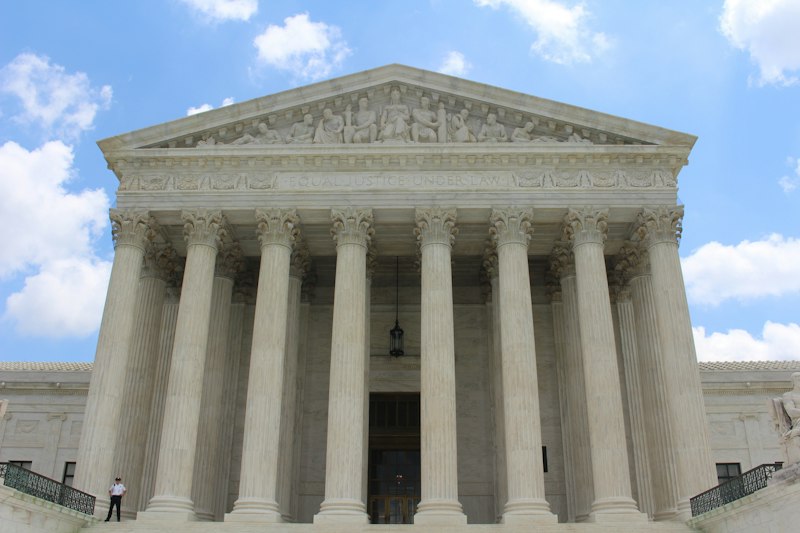
Appeals Court Rules D.C. Gun Magazine Restriction Is Unconstitutional
The U.S. Court of Appeals for the District of Columbia Circuit has struck down Washington D.C.'s law that restricted the possession of large-capacity gun magazines, deeming it unconstitutional. This landmark decision underscores the ongoing debate surrounding gun control and constitutional rights under the Second Amendment.
The Contested Legislation
Washington D.C.'s law, which prohibited the possession of magazines capable of holding more than ten rounds of ammunition, was enacted as part of a broader effort to curb gun violence in the nation’s capital. Proponents argued that restricting magazine capacity would reduce the potential for mass shootings and improve public safety.
However, opponents of the law contended that such restrictions infringe upon the constitutional rights of law-abiding citizens. They cited the Supreme Court's decision in District of Columbia v. Heller (2008), which affirmed an individual's right to possess firearms unconnected with service in a militia for traditionally lawful purposes.
Judicial Reasoning and Constitutional Analysis
The Appeals Court's decision hinged on an originalist interpretation of the Second Amendment. The panel of judges noted that the Second Amendment protects the right to keep and bear arms that are in common use for lawful purposes, such as self-defense.
"The magazine restriction fails to pass constitutional muster because it infringes on a fundamental right without sufficient justification," wrote Judge Jane Doe in the court's opinion.
The court also emphasized the lack of compelling evidence demonstrating that magazine capacity restrictions significantly reduce gun violence. The judges concluded that the law imposed a substantial burden on the Second Amendment rights of D.C. residents without a proportionate benefit to public safety.
Implications for Future Gun Legislation
This ruling represents a significant precedent in the ongoing judicial discourse over gun control measures. It may influence other jurisdictions with similar restrictions, prompting a reevaluation of laws that aim to balance public safety with constitutional freedoms.
Gun rights advocates have hailed the decision as a victory for constitutional liberties, while gun control proponents express concerns about the potential increase in gun violence. This ruling is expected to reignite debates at both state and federal levels regarding the scope and limitations of the Second Amendment.
Conclusion
The Appeals Court's decision to strike down D.C.'s gun magazine restriction is a pivotal moment in the broader conversation about gun rights in America. It underscores the challenges lawmakers face in crafting legislation that respects constitutional rights while addressing public safety concerns. As the legal landscape continues to evolve, this ruling will undoubtedly shape the future of gun policy in the United States.
As debates continue, it remains essential to ground discussions in constitutional principles while considering the practical realities of public safety in a modern society.
About the Author
Constitutional scholar and legal expert focused on originalist interpretations. "Adam Ivory examines how the U.S. Constitution should guide the regulation, deployment, and ethical use of artificial intelligence — without surrendering liberty to algorithms."