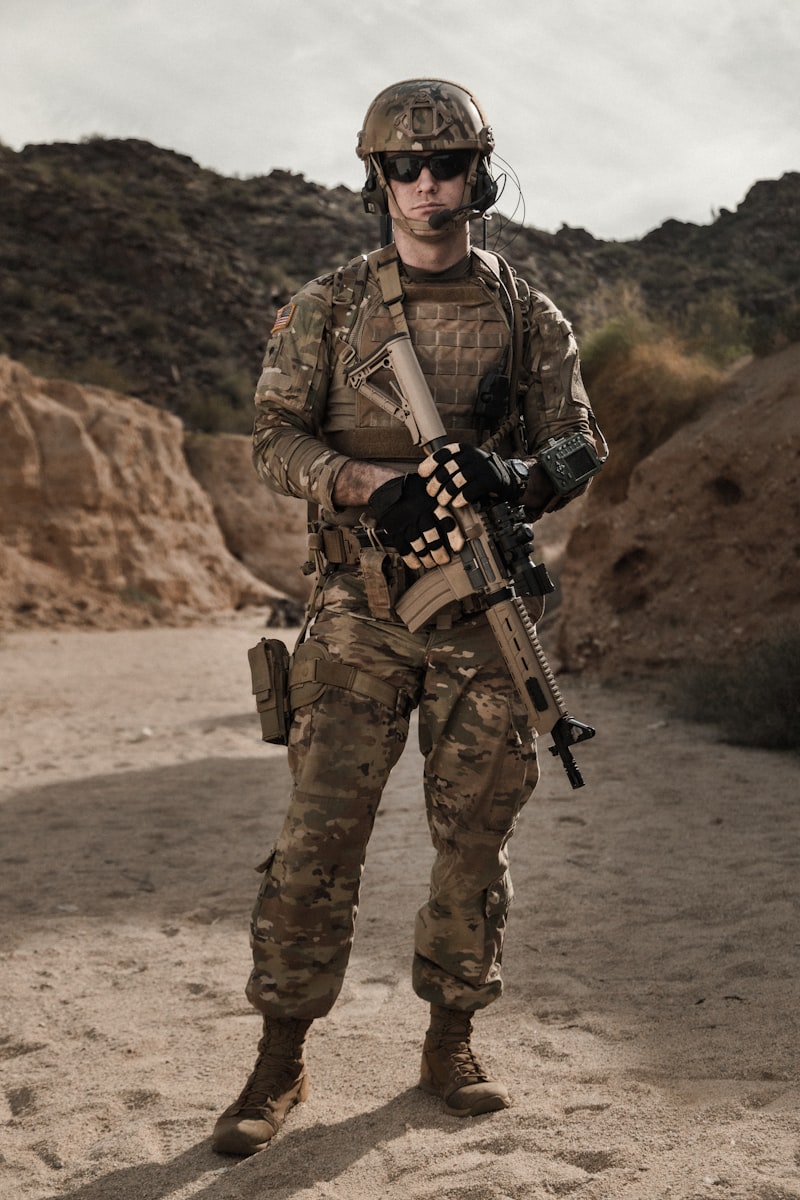
Assessing the Global Defense Landscape: Challenges and Opportunities in an Era of Geopolitical Tension
The global defense and security environment is undergoing profound changes, marked by rising tensions among great powers, the proliferation of advanced military technologies, and the emergence of new domains of conflict. As nations across the globe reassess their strategic priorities, understanding the dynamics of this evolving landscape is critical for policymakers and defense professionals alike.
The Resurgence of Great Power Competition
The contemporary global security environment is increasingly defined by the strategic competition among the United States, China, and Russia. This competition is characterized by a quest for technological superiority, influence over global norms, and military dominance. The United States, in its latest National Defense Strategy, has emphasized the need to maintain a competitive edge over near-peer adversaries.
"We must outpace our strategic competitors by investing in cutting-edge technologies and strengthening our alliances," states the U.S. Department of Defense.
China's military modernization efforts continue unabated, with investments in hypersonic weapons, artificial intelligence, and naval capabilities. Meanwhile, Russia's assertive posture in Eastern Europe and its hybrid warfare tactics remain a persistent challenge for NATO allies.
Technological Advancements and Modernization
Technological innovation is at the heart of modern military strategy. Unmanned systems, cyber capabilities, and space-based assets are transforming the battlefield, necessitating a shift in defense strategies. The integration of these technologies into military operations offers both opportunities and challenges for defense planners.
- Unmanned Aerial Vehicles (UAVs) are revolutionizing intelligence, surveillance, and reconnaissance missions.
- Cyber capabilities are being developed to protect critical infrastructure and launch offensive operations against adversaries.
- Space is increasingly recognized as a crucial domain for power projection and defense.
These advancements demand significant investment and adaptation from military forces around the world.
The Role of Alliances and Partnerships
In this era of uncertainty, alliances and partnerships remain essential pillars of global security. NATO continues to adapt to new threats, enhancing its deterrence and defense posture through initiatives such as the NATO Readiness Initiative and the Enhanced Forward Presence in Eastern Europe.
Similarly, the Indo-Pacific region witnesses a strengthening of security partnerships, with the Quadrilateral Security Dialogue (Quad) comprising the United States, Japan, India, and Australia, playing a pivotal role in promoting a free and open Indo-Pacific.
"Our alliances are our greatest strategic advantage," said the Secretary-General of NATO. "Together, we are stronger and better able to respond to any threat."
Conclusion: Preparing for Uncertain Times
The global defense landscape is in flux, driven by the resurgence of great power competition, rapid technological advancements, and shifting alliances. To navigate this complexity, nations must prioritize military readiness, modernization, and international cooperation. As geopolitical tensions rise, the imperative to defend democratic values and maintain global stability has never been more pressing. In this uncertain world, strength and unity among free nations stand as the best deterrents against the forces of authoritarianism and instability.
About the Author
Former military strategist focusing on national security and defense policy.