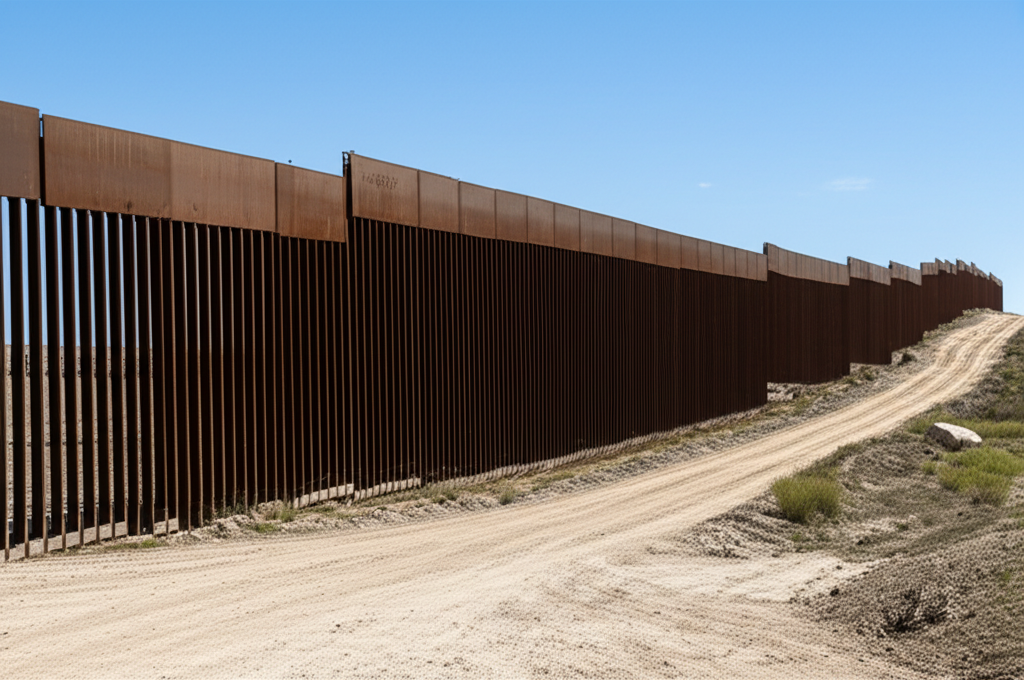
Border Wall Construction Update: A Key Component of National Security
As debates over immigration policies and national security continue to dominate the U.S. political landscape, the construction of the border wall remains a pivotal element in the broader strategy to secure America's southern frontier. This article provides a comprehensive update on the current status of the border wall, its strategic significance, and the implications for national security.
Current Status of Construction
The construction of the U.S.-Mexico border wall has witnessed significant developments over the past year. According to the U.S. Customs and Border Protection (CBP), approximately 450 miles of the wall have been completed, with ongoing efforts to enhance existing barriers and extend coverage in key areas. The Biden administration, while initially pausing new wall construction, has recently resumed certain projects to address persistent security concerns and manage immigration flows effectively.
The wall's construction has been concentrated in high-traffic areas, particularly in sectors that have historically seen the highest number of illegal crossings. Recent enhancements include advanced surveillance technologies and all-weather roads to improve patrol efficiency and response times.
Strategic Significance
The border wall serves as a critical component of the United States' broader border security strategy. Its primary objective is to deter illegal immigration, drug trafficking, and other transnational criminal activities that threaten national security. The wall, combined with technological upgrades such as cameras, sensors, and drones, creates a formidable defense line that enhances the capabilities of border patrol agents.
Experts from the Center for Strategic and International Studies (CSIS) note that physical barriers, when integrated with modern surveillance systems, are an effective deterrent against unauthorized entry. The wall's construction is also viewed as a reaffirmation of the United States' commitment to safeguarding its territorial integrity and maintaining the rule of law.
Immigration and Security Implications
While the wall serves a vital security function, it also plays a significant role in the ongoing debate over immigration policy. Proponents argue that the wall is essential for controlling the border and ensuring that immigration occurs through legal and orderly channels. They emphasize that a secure border is a prerequisite for any meaningful immigration reform.
Critics, however, contend that the wall is a symbol of exclusion and argue for more comprehensive solutions that address the root causes of migration. Nevertheless, the reality on the ground underscores the wall's necessity as a deterrent and its role in preventing the exploitation of migrants by criminal networks.
Conclusion: The Path Forward
As the United States navigates complex challenges related to immigration and border security, the construction and maintenance of the border wall remain central to national security strategy. Balancing the need for a secure border with humane immigration policies requires a multifaceted approach that combines physical barriers with technological innovation and international cooperation.
Looking ahead, the wall's role will continue to evolve as part of a broader strategy to ensure that the United States remains a safe, secure, and welcoming nation. Policymakers must prioritize investments in border infrastructure and technology while fostering dialogue with neighboring countries to address migration pressures effectively.
About the Author
Former military strategist focusing on national security and defense policy.