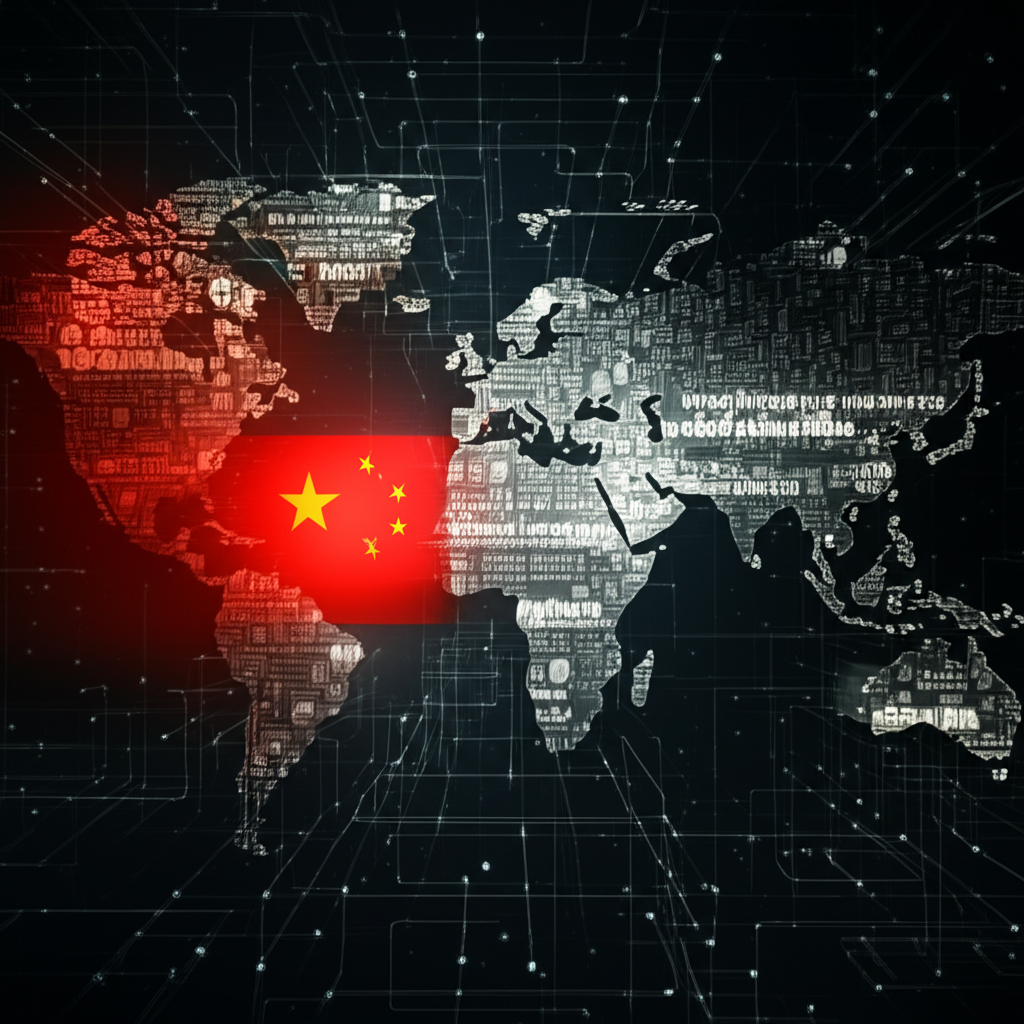
China's Economic Competition and National Security: Navigating the Strategic Challenges
As the global balance of power continues to shift, the economic rise of China presents both unprecedented opportunities and significant national security challenges for democratic nations. With its ambitious Belt and Road Initiative and rapid technological advancements, China is not only reshaping global trade but also exerting influence that could undermine the sovereignty and security of nations worldwide.
The Economic Rise of China: A Double-Edged Sword
China's economic growth over the past decades has been nothing short of remarkable. As the second-largest economy in the world, China's influence over global markets is undeniable. Its vast manufacturing capabilities and aggressive expansion into international markets have positioned it as a critical player in global supply chains. However, this economic prowess comes with strategic implications.
China's Belt and Road Initiative (BRI) is a prime example of its economic expansionism. The BRI aims to enhance global trade by investing in infrastructure projects across Asia, Europe, and Africa. While these investments could lead to increased economic growth and connectivity, they also serve as instruments of geopolitical influence. Countries heavily indebted to China may find themselves politically and economically beholden to Beijing, raising concerns about sovereignty and strategic autonomy.
Technological Advancements and Their Security Implications
China's advancements in technology are equally significant. The nation's push to dominate sectors such as artificial intelligence, 5G telecommunications, and cyber capabilities is part of its broader strategy to establish itself as a global leader. The integration of Chinese technology into Western infrastructure, however, poses potential security risks.
Concerns over Huawei's involvement in 5G networks exemplify this dilemma. Western intelligence agencies have warned that allowing Chinese technology in critical national infrastructure could enable espionage and sabotage. Moreover, China's National Intelligence Law, which mandates cooperation with state intelligence efforts, exacerbates these fears.
Strategic Competition: Balancing Economic Engagement and Security
Democratic nations face the complex task of balancing economic engagement with China against the need to protect national security interests. The United States, along with its allies, has implemented measures to counter China’s influence, including export controls, investment screening, and increased scrutiny of Chinese companies operating in sensitive sectors.
Strengthening alliances is paramount. NATO, the Quad, and other democratic partnerships must enhance their strategic cooperation to address the challenges posed by China's rise. This includes joint investments in technology, shared intelligence efforts, and coordinated policies to ensure a secure and resilient global economy.
The Path Forward: A Strong and United Response
The strategic competition with China necessitates a unified response grounded in strength and collaboration. While economic engagement with China is unavoidable, it must be pursued with caution and a clear-eyed assessment of the risks. Enhancing military readiness, investing in technological innovation, and fortifying democratic alliances are crucial steps in safeguarding national security.
Ultimately, the challenge is to navigate the intricate dynamics of economic competition and security threats without compromising the values and sovereignty of democratic nations. By prioritizing resilience, vigilance, and collective strength, the free world can effectively counter the strategic challenges posed by China's economic and geopolitical ambitions.
About the Author
Former military strategist focusing on national security and defense policy.