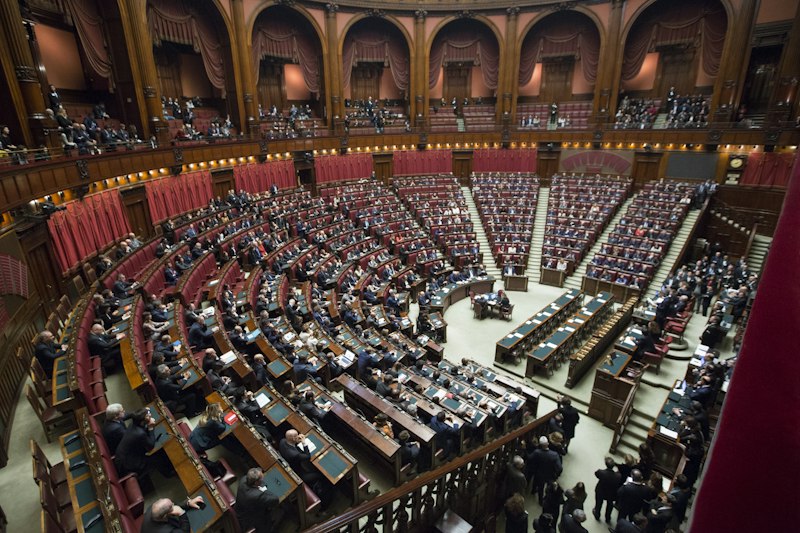
Congress Upholds Presidential Authority in Military Campaign Against Iran
In a decisive move this week, both the Senate and House lawmakers rejected resolutions aimed at halting President Trump's military efforts against Iran. The Senate dismissed the Democratic measure on March 4, followed by a narrow vote in the House on March 5. This decision underscores a commitment to uphold the President's authority as Commander-in-Chief, supported by existing Authorizations for Use of Military Force (AUMFs).
The Constitutional Role of the Commander-in-Chief
Central to the debate is the President's constitutional role as Commander-in-Chief, a position that inherently grants the executive branch significant discretion in military matters. The rejection of the war powers resolutions reaffirms the belief that the President possesses the necessary authority to conduct military operations, especially when national security is at stake. Historically, this role has allowed presidents to act swiftly in defense of the nation, ensuring that America retains its strategic advantage in global conflicts.
Existing Authorizations for Use of Military Force (AUMFs)
The argument for rejecting the resolutions is further bolstered by the existing AUMFs, which provide a legal framework for military actions against threats that endanger U.S. national security. These authorizations, although originally intended for combating terrorism, have been interpreted to extend to actions against Iran, particularly in light of its aggressive posturing and support for terrorist activities. By leveraging these AUMFs, President Trump asserts a legitimate basis for military action, adhering to both the letter and spirit of the law.
Defense Secretary Hegseth's Justification
Defense Secretary Hegseth's rationale is a critical component of this decision. He argues that Iran has shown no intention of signing a new nuclear deal, a stance that justifies the military operation, aptly named Operation Epic Fury. Hegseth emphasizes that Iran's continued pursuit of nuclear capabilities presents a clear and present danger, necessitating decisive action to curb its ambitions. This perspective aligns with the broader national security strategy, which prioritizes the elimination of existential threats before they can materialize into direct confrontations.
Countering Democratic Criticism
Democratic lawmakers have criticized the military campaign as an unconstitutional war lacking Congressional approval. However, this view overlooks the nuanced constitutional balance between the executive and legislative branches in matters of defense. While Congress retains the power to declare war, the President's prerogative to protect national interests through limited military engagements remains intact. By rejecting the resolutions, Congress acknowledges this dynamic, supporting a proactive stance in safeguarding the nation.
Conclusion: A Firm Stance on National Security
The rejection of the war powers resolutions by both the Senate and the House represents a reaffirmation of the President's constitutional authority and the legal framework provided by existing AUMFs. This decision highlights a commitment to maintaining America's strategic and security interests, addressing the threats posed by Iran's nuclear ambitions with the urgency they require. As the nation navigates complex global challenges, it is imperative to support a strong executive capable of decisive action in defense of the American people.
About the Author
Aaron India explores how artificial intelligence reshapes what it means to be human — and what we must protect in the process.