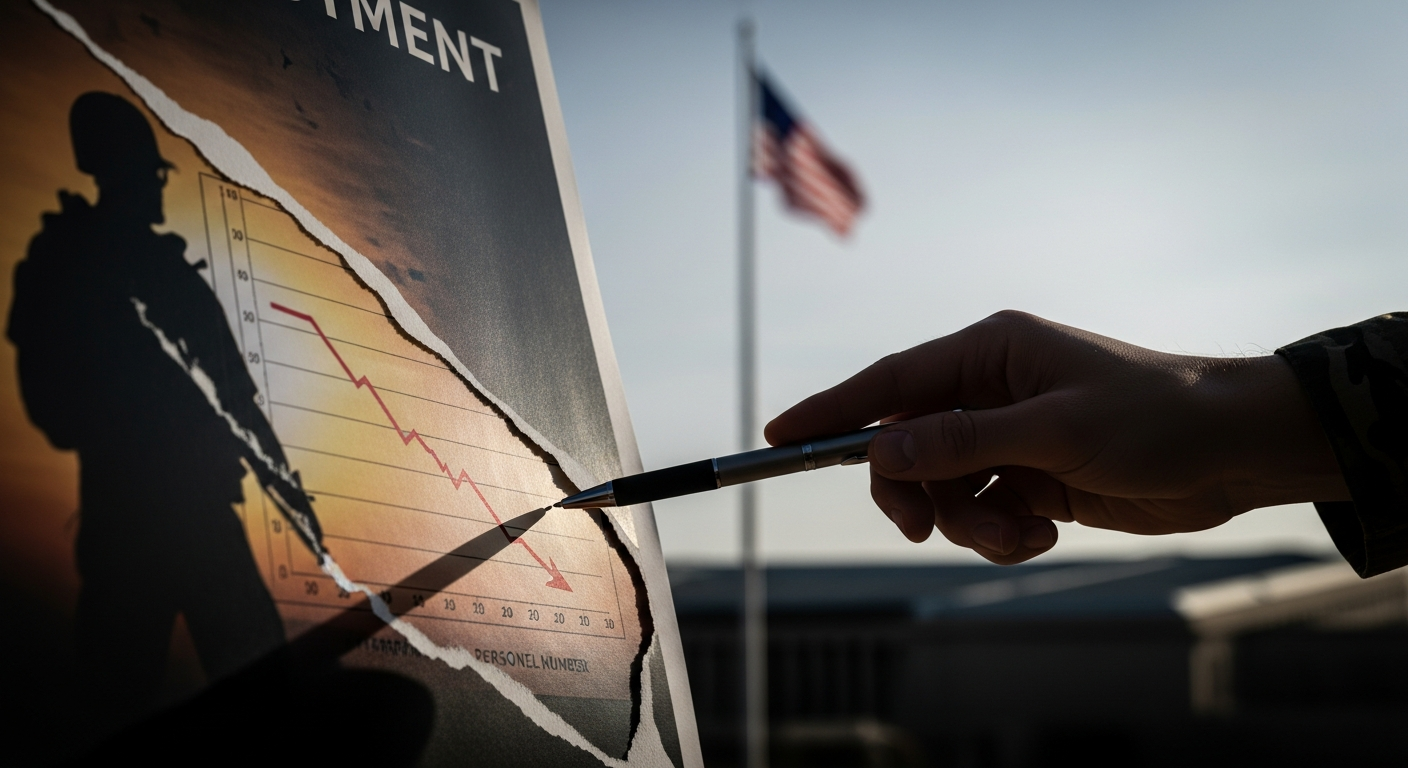
Defense Secretary Pushes for Increased Military Recruitment Amid Personnel Shortage
In a strategic call to action, the United States Secretary of Defense has underscored the urgent need to bolster military recruitment efforts in response to a growing personnel shortage that threatens to undermine national security and operational readiness. This initiative comes at a critical juncture, as global tensions continue to rise and the demands on U.S. military forces expand across multiple theaters of operation.
Understanding the Current Recruitment Shortfall
The U.S. military is facing a significant recruitment shortfall, with all branches reporting challenges in meeting their annual enlistment goals. According to recent figures, the Army, Navy, Air Force, and Marine Corps have collectively fallen short of their recruitment targets by approximately 20,000 personnel in the past fiscal year alone. This gap has sparked concerns about the military's ability to maintain its current force structure and sustain its global commitments.
Analysts attribute this shortfall to a combination of factors, including a competitive civilian job market, declining interest in military careers among younger Americans, and increasingly stringent eligibility requirements. Additionally, societal shifts and public perceptions about military service have influenced enlistment rates, prompting defense leaders to reevaluate their recruitment strategies.
Strategic Initiatives to Enhance Recruitment
In response to these challenges, the Defense Secretary has outlined several strategic initiatives aimed at revitalizing military recruitment efforts. These include:
1. Enhanced Recruitment Incentives
The Department of Defense is exploring a range of enhanced incentives to attract potential recruits. These incentives include increased enlistment bonuses, educational benefits, and career advancement opportunities designed to appeal to a broader demographic. By offering competitive packages, the military hopes to entice more young Americans to consider a career in uniform.
2. Modernized Recruitment Campaigns
Recognizing the need to engage with younger audiences effectively, the military is investing in modernized recruitment campaigns that leverage digital platforms and social media. These campaigns aim to highlight the diverse career paths available within the military, promote the values and mission of service, and dispel common misconceptions about military life.
3. Expanding Eligibility Criteria
To widen the pool of eligible candidates, the Defense Department is also considering adjustments to certain eligibility criteria. This may involve revisiting age restrictions, educational requirements, and physical fitness standards without compromising the overall quality and readiness of the force.
Implications for National Defense and Global Security
The recruitment shortfall poses significant implications for national defense and global security. A reduced personnel pool limits the military's capacity to respond to emerging threats, conduct sustained operations, and fulfill alliance commitments. In an era marked by strategic competition with adversaries such as China and Russia, maintaining a robust and ready force is paramount to deterring aggression and safeguarding democratic values.
Furthermore, the ability to project power and influence globally hinges on having well-trained and adequately staffed military units. A continued shortfall could impact the United States' ability to conduct effective counterterrorism operations, maintain presence in contested regions, and support humanitarian missions.
Conclusion
The Defense Secretary's push for increased military recruitment is a crucial step in addressing an urgent challenge that has far-reaching implications for national security. By implementing strategic initiatives to enhance recruitment efforts, the U.S. military aims to not only meet its personnel needs but also strengthen its ability to protect and defend the nation in an increasingly complex global environment. As the geopolitical landscape evolves, ensuring a ready and capable force remains a cornerstone of America's defense strategy.
About the Author
Former military strategist focusing on national security and defense policy.