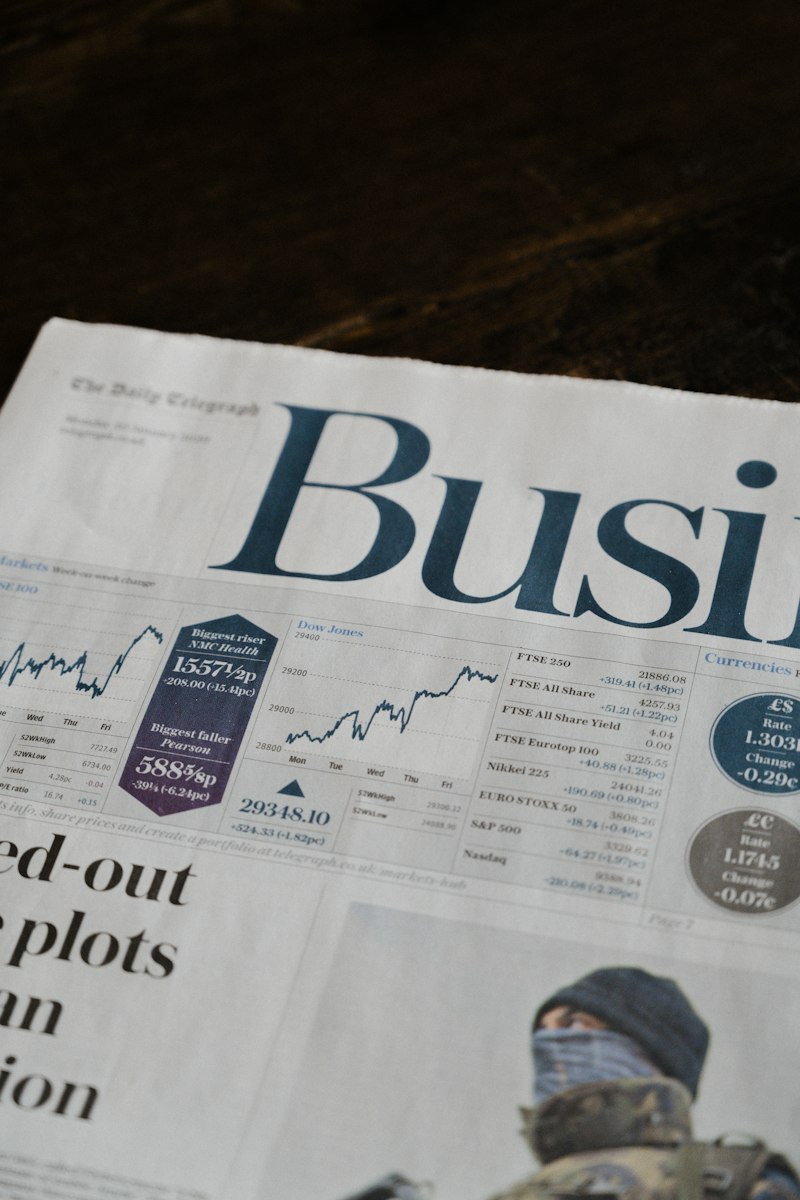
Economic Markets and Policy Review: Navigating a Complex Landscape
As the global economy faces a multitude of challenges, from fluctuating interest rates to shifting trade dynamics, the need for a comprehensive understanding of economic markets and policy is more critical than ever. This article takes a deep dive into the current state of economic affairs, examining key market trends, policy decisions, and their implications for future growth.
Monetary Policy: A Balancing Act
The Federal Reserve, along with other central banks globally, has been engaged in a delicate balancing act of managing inflation while supporting economic growth. Recently, the Fed raised interest rates to counter rising inflation without stifling the post-pandemic recovery.
"The risk of inflation becoming entrenched is a significant concern," said Jerome Powell, Chair of the Federal Reserve. "We are committed to using our tools to ensure price stability."
Despite these efforts, some analysts argue that the central bank's actions may be too reactive, potentially hampering long-term growth. Historically, periods of aggressive monetary tightening have led to economic slowdowns, raising questions about the sustainability of the current policy trajectory.
Fiscal Policy: Striking the Right Balance
On the fiscal front, government spending continues to be a hotly debated topic. While some advocate for increased public investment to stimulate growth, others warn of the dangers of expanding national debt. The recent passage of infrastructure bills in the U.S. has sparked discussions on the role of government in shaping economic outcomes.
- Proponents argue that targeted spending can drive job creation and technological innovation.
- Critics caution against unsustainable deficits and the crowding out of private investment.
Understanding the balance between necessary investment and fiscal responsibility remains a cornerstone of effective policy-making.
Global Trade Dynamics: Navigating Uncertainty
Trade policies are also evolving as nations reassess their positions in an increasingly interconnected world. The return of protectionist measures and ongoing tensions between major economies have created an environment of uncertainty.
"Trade is a critical component of global economic growth, but it requires stability and predictability," commented Christine Lagarde, President of the European Central Bank.
As supply chain disruptions continue to impact industries, businesses are seeking ways to diversify and mitigate risks. The adaptation of trade policies to encourage resilience and innovation is crucial for maintaining competitive advantages.
Conclusion: Charting the Course Forward
In conclusion, the current state of economic markets and policy presents both opportunities and challenges. Policymakers must navigate a complex landscape, balancing monetary stability, fiscal responsibility, and global trade dynamics to foster a resilient and prosperous economic environment.
As we move forward, the emphasis on entrepreneurship, open markets, and sound fiscal strategies will be pivotal in driving sustainable growth. By remaining vigilant and adaptable, economies can thrive amidst uncertainty, paving the way for a more stable and prosperous future.
About the Author
Former Wall Street analyst with a focus on free market principles and economic policy.