Economic Markets and Policy Review: Navigating a Turbulent Landscape
As we venture into the fourth quarter of 2023, global markets and economic policy are navigating a confluence of challenges and opportunities. From volatile capital markets to the intricate balance of monetary policy, the economic landscape is a dynamic arena where strategic decisions today shape the prosperity or pitfalls of tomorrow. This comprehensive review delves into the pivotal factors influencing economic discourse, offering insights and analysis for informed decision-making.
Monetary Policy: A Delicate Balancing Act
The Federal Reserve's recent meetings have been under intense scrutiny as the central bank grapples with inflationary pressures and the need to maintain economic stability. The Fed has signaled a cautious approach, opting to hold interest rates steady while keeping a vigilant eye on inflation metrics.
"The Federal Reserve remains committed to its mandate of price stability and maximum employment, balancing the dual objectives with calibrated monetary tools."
While some economists argue for an aggressive tightening of monetary policy to curb inflation, others caution against the risk of stifling economic growth. The consensus is that the Fed must strike a delicate balance to avoid destabilizing the recovery.
Fiscal Policy: The Debate over Deficits
Amidst discussions of fiscal responsibility, the U.S. government grapples with the implications of elevated deficits. The debate centers on the sustainability of current spending levels and the impact of burgeoning debt on future generations. Calls for fiscal prudence resonate with policymakers who argue for a more disciplined approach to budgeting.
However, proponents of stimulus-driven growth emphasize the need for strategic investments in infrastructure and innovation to sustain long-term economic expansion. The challenge lies in reconciling these divergent views while maintaining fiscal discipline.
Global Trade and Supply Chain Dynamics
International trade has faced significant disruptions due to geopolitical tensions and supply chain bottlenecks. The ongoing trade negotiations between major economies underscore the importance of open markets and free trade agreements as catalysts for growth.
As countries strive to secure reliable supply chains, there is a renewed focus on diversification and resilience. Policymakers are urged to foster a stable trade environment, facilitating cross-border investments and economic collaboration.
Capital Markets: Investor Sentiment and Market Volatility
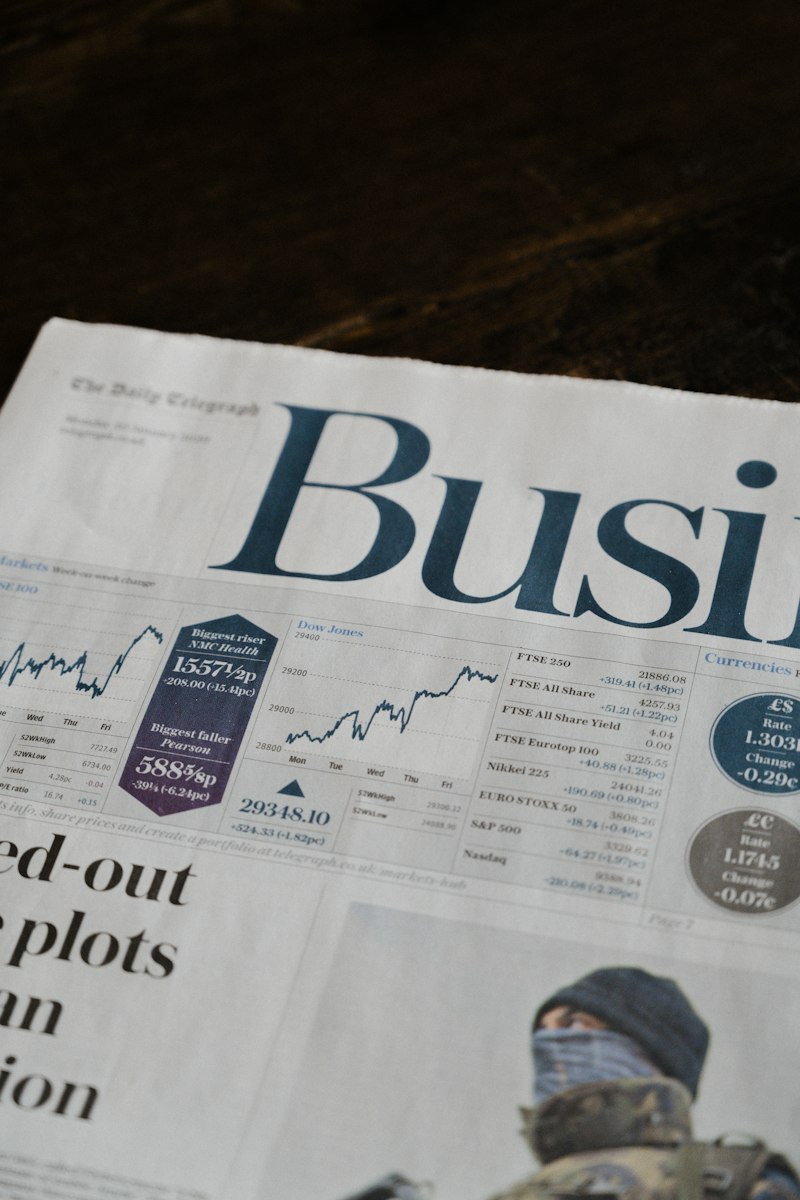
Capital markets have experienced heightened volatility as investors react to macroeconomic signals and corporate earnings reports. The recent fluctuations in stock indices reflect a landscape where investor sentiment is influenced by global events and policy decisions.
Market participants are increasingly attuned to central bank cues, inflation forecasts, and fiscal policy developments. This heightened awareness underscores the need for robust risk management strategies and diversified portfolios.
Conclusion: Charting a Course Forward
As we navigate the complexities of economic markets and policy, it is imperative to remain vigilant and adaptable. The interplay between monetary policy, fiscal decisions, and global trade will continue to shape the economic narrative. Policymakers, investors, and stakeholders must collaborate to foster an environment that prioritizes growth, innovation, and stability.
In an era of uncertainty, the commitment to sound economic principles and free market dynamics remains the cornerstone of a prosperous future. By embracing these tenets, we can chart a course that ensures economic resilience and opportunity for all.
About the Author
Former Wall Street analyst with a focus on free market principles and economic policy.