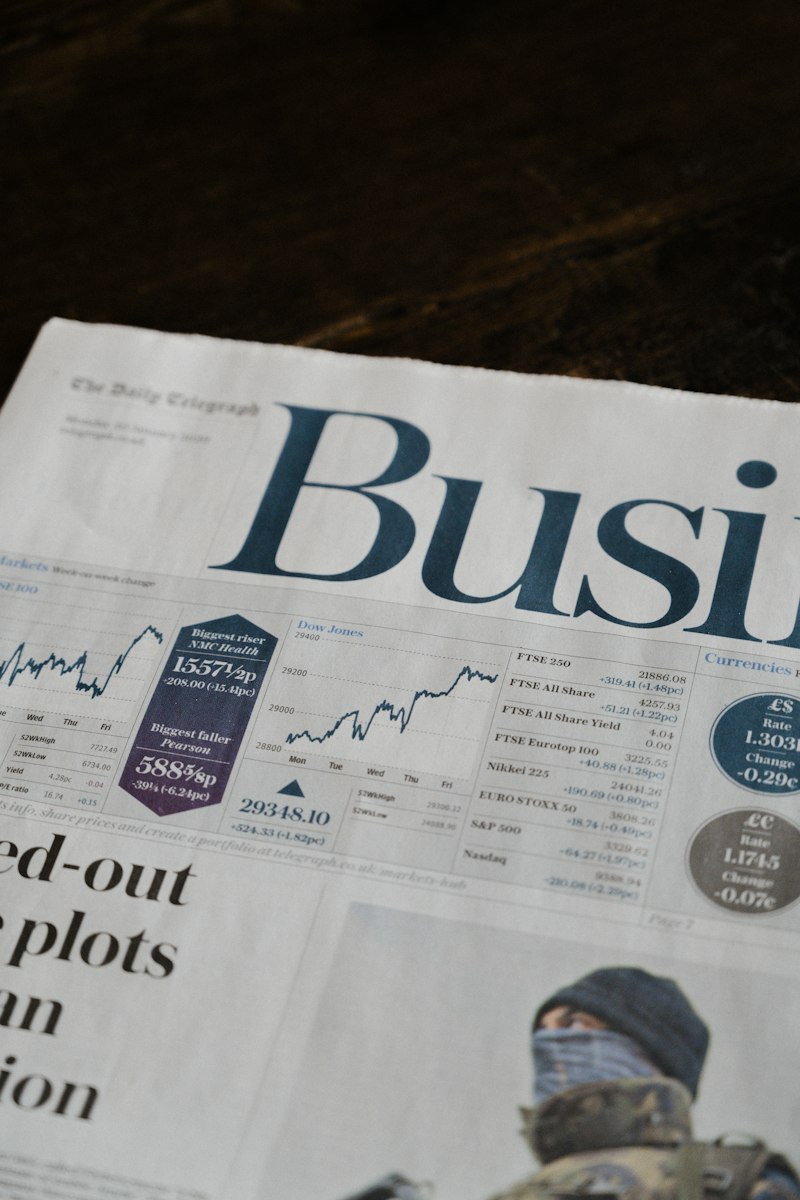
Economic Markets and Policy Review: Navigating Challenges and Opportunities
The global economic landscape is a complex tapestry woven with intricate threads of market dynamics, policy shifts, and investor sentiments. As we traverse through 2023, the interplay between these forces has created a challenging yet opportunistic environment for businesses, policymakers, and investors alike. This article delves into the current state of economic markets and the policies shaping them, examining the potential pathways for growth and stability.
Monetary Policy: A Delicate Balancing Act
The Federal Reserve and other central banks around the world find themselves at a critical juncture. With inflationary pressures still evident, yet economic growth showing signs of fragility, the challenge lies in striking a balance between controlling inflation and fostering sustainable growth. The recent minutes from the Federal Reserve's meetings reveal a cautious approach, with policymakers emphasizing the need for "monetary clarity" to avoid the pitfalls of unchecked monetary expansion.
"It is crucial that monetary policy remains anchored in reality, avoiding the temptations of politicized interest rate decisions that could destabilize long-term growth prospects." - Federal Reserve Official
In this context, central banks are expected to continue their gradual approach to interest rate adjustments, while also exploring non-traditional tools to maintain liquidity in the financial markets.
Fiscal Policy: The Debate Over Spending and Taxation
As fiscal policy remains a hot topic, governments worldwide are grappling with the dual pressures of economic stimulus and fiscal responsibility. In the United States, the debate over balanced budgets versus expansive spending programs underscores a fundamental ideological divide. Advocates for minimal government intervention argue for sound fiscal policy characterized by low taxation and sustainable debt levels.
To this end, recent legislative proposals have aimed at reducing corporate tax rates to incentivize private investment and job creation. However, critics caution against the potential risks of widening deficits if spending is not concurrently controlled.
Regulatory Policy: Navigating the Complexities of Oversight
In an era marked by rapid technological advancements and evolving market dynamics, regulatory policy has become increasingly complex. The SEC's recent focus on ESG mandates and antitrust actions reflects a broader trend towards heightened oversight. While proponents argue that such measures are necessary to ensure market fairness and transparency, there is a growing concern that overregulation could stifle innovation and competition.
- SEC's ESG mandates: Aimed at promoting corporate accountability on environmental, social, and governance factors.
- Antitrust actions: Targeting large tech firms to prevent monopolistic practices.
As the regulatory landscape continues to evolve, businesses and investors must remain vigilant, balancing compliance with the pursuit of growth opportunities.
Global Trade and Supply Chain Dynamics
The interconnected nature of global supply chains has come under scrutiny in recent years, particularly in light of geopolitical tensions and pandemic-induced disruptions. Trade policy has emerged as a pivotal factor influencing economic stability, with nations seeking to bolster their domestic industries while maintaining open market access.
The recent shift towards protectionist measures in some regions poses a risk to the principles of free trade that have historically driven global economic growth. However, there are also opportunities to strengthen strategic partnerships and diversify supply chains to mitigate vulnerabilities.
Conclusion: Charting a Course for Growth
As we navigate the complexities of the current economic environment, it is imperative that policymakers and market participants remain committed to the principles of free markets and limited government intervention. By fostering an environment that encourages entrepreneurship, competition, and innovation, we can lay the foundation for a resilient and prosperous future. The path forward may be fraught with challenges, but it is also ripe with opportunities for those willing to embrace change and adapt to the evolving landscape.
About the Author
Former Wall Street analyst with a focus on free market principles and economic policy.