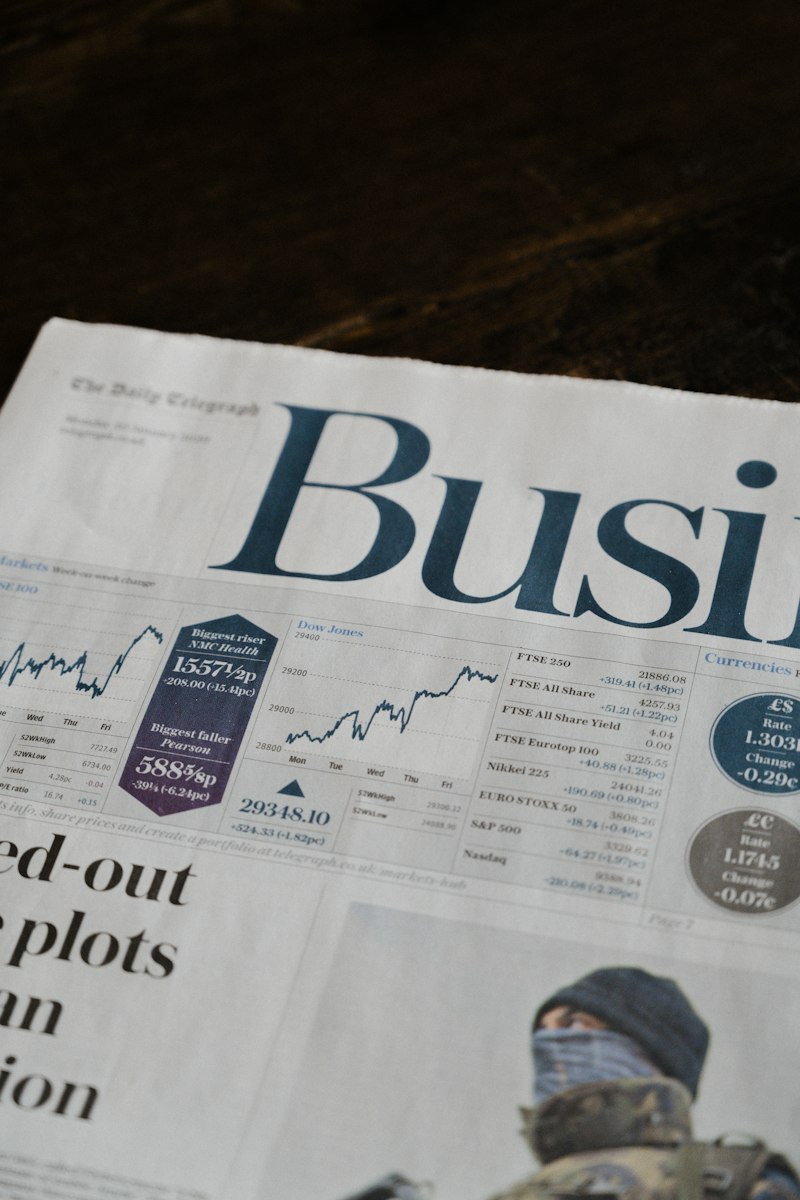
Economic Markets and Policy Review: Navigating the Crossroads of Growth and Stability
The global economy stands at a pivotal moment, as policymakers and investors grapple with the dual challenges of fostering growth while maintaining financial stability. This review delves into the recent developments across economic markets and policy landscapes, analyzing the implications for future economic prosperity.
Monetary Policy: Balancing Act at Central Banks
Central banks worldwide have been walking a tightrope, striving to balance inflation control with economic stimulus. The Federal Reserve, the European Central Bank, and the Bank of Japan have all taken measures to address inflationary pressures without stifling economic recovery.
In the U.S., the Federal Reserve has signaled a cautious approach to interest rate hikes, aiming to avoid derailing the nascent recovery. According to the latest Fed minutes, "The Committee remains committed to achieving maximum employment and price stability." The challenge lies in managing this delicate balance without triggering market volatility.
Fiscal Policy: The Debate Over Spending and Taxation
Governments are facing increasing scrutiny over fiscal policy decisions, particularly regarding public spending and taxation. In the U.S., the debate over the federal budget continues, with calls for both increased infrastructure investment and fiscal responsibility.
Globally, countries like Germany and Japan have been more conservative in their fiscal spending, emphasizing the importance of maintaining sustainable debt levels. The contrast in approaches underscores the ongoing tension between immediate economic support and long-term fiscal health.
Regulatory Policy: Striking the Right Balance
Regulatory frameworks are under the microscope as policymakers seek to foster innovation while protecting consumers. In the U.S., the Securities and Exchange Commission (SEC) has been active in updating regulations to address the rise of digital assets and fintech innovations.
SEC Chair Gary Gensler recently noted, "It's crucial that our regulations keep pace with technological advancements to ensure fair and efficient markets." The challenge remains to encourage entrepreneurship without stifling it under the weight of excessive regulation.
Global Trade and Supply Chain Dynamics: A New Era of Resilience
Supply chain disruptions have highlighted the need for more resilient global trade networks. Countries are re-evaluating their trade relationships and supply chain dependencies, with an eye toward diversification and security.
Recent trade agreements, such as the Comprehensive and Progressive Agreement for Trans-Pacific Partnership (CPTPP), exemplify efforts to strengthen economic ties and reduce vulnerabilities. However, the geopolitical landscape remains fraught with challenges, from U.S.-China tensions to Brexit uncertainties.
Conclusion: Charting a Path Forward
As global markets and policies continue to evolve, the path forward requires careful navigation. Policymakers must strike a balance between promoting growth and safeguarding stability, all while adapting to rapid technological changes and shifting geopolitical dynamics.
Investors, too, must remain vigilant, staying informed and adaptable in the face of an ever-changing economic landscape. As we move forward, the emphasis on free market principles, sound fiscal policy, and robust property rights will be crucial in fostering a resilient and prosperous global economy.
About the Author
Former Wall Street analyst with a focus on free market principles and economic policy.