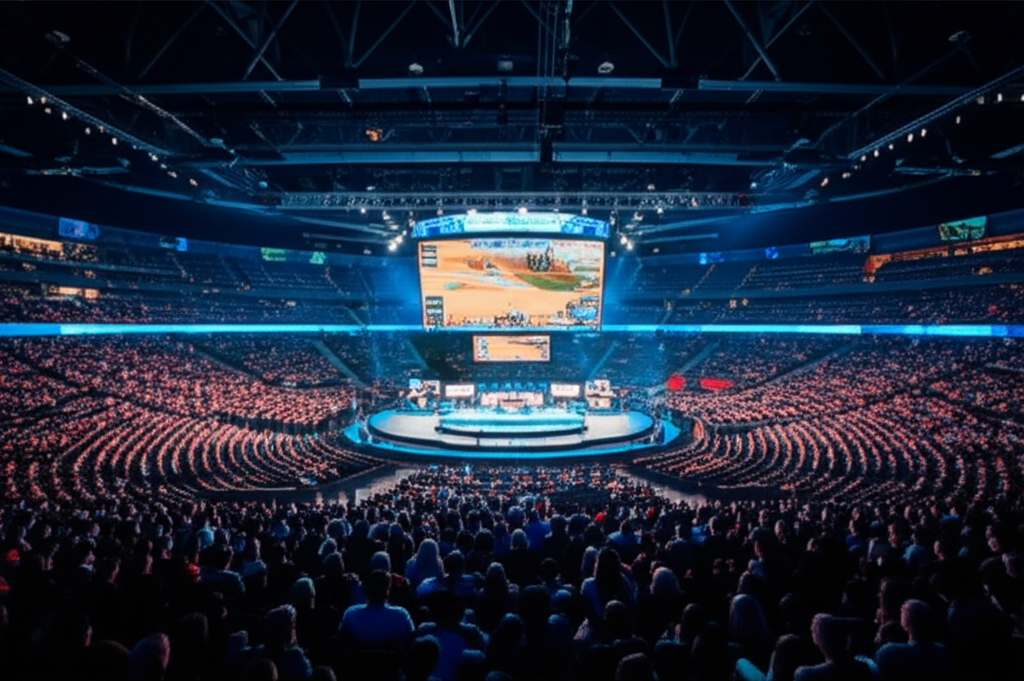
Esports: A New Era of Mainstream Entertainment
In recent years, esports has transitioned from niche interest to a dominant force in mainstream entertainment. As gaming continues to evolve, it has become a vibrant community-building platform that fosters connection, creativity, and competition. This article explores how esports has captured the imagination of players and spectators alike, the role of American game developers in this transformation, and the importance of responsible gaming and family values in the gaming world.
The Rise of Esports in Popular Culture
Esports has experienced exponential growth, with global revenues projected to surpass $1 billion in 2023. Games like "League of Legends," developed by Riot Games, and "Fortnite," by Epic Games, have become cultural phenomena, attracting millions of viewers to live events and online streams. The rise of platforms like Twitch and YouTube Gaming has further amplified esports' reach, enabling gamers to connect with audiences worldwide.
American game developers have played a pivotal role in this ascent. Riot Games has set a high standard with its "League of Legends" World Championship, a spectacle that rivals traditional sports events in scale and production value. Meanwhile, Epic Games continues to innovate with "Fortnite," which has blurred the lines between gaming and social interaction with its virtual concerts and in-game events.
Community Building Through Gaming
Esports is more than just competition; it is a powerful tool for community building. Many gamers find camaraderie and friendship in gaming communities, where they collaborate, learn, and grow together. This social aspect of gaming fosters a sense of belonging, particularly among younger audiences who may struggle to find similar connections elsewhere.
Organizations like the Electronic Sports League (ESL) and Major League Gaming (MLG) are dedicated to promoting this sense of community through organized events and leagues. These platforms provide opportunities for players to showcase their skills, engage with fans, and forge lasting relationships.
Responsible Gaming and Family Values
As esports becomes more ingrained in mainstream culture, the importance of responsible gaming cannot be overstated. Developers and platforms have a responsibility to promote healthy gaming habits and ensure the well-being of players. This includes implementing features like screen-time reminders and parental controls to help families make informed gaming choices.
Games like "Minecraft," developed by Mojang Studios, offer a family-friendly environment where creativity and collaboration are encouraged. By choosing games that align with family values, parents can engage with their children in meaningful ways and foster a healthy gaming culture at home.
The Role of Free Speech in Gaming
Free speech is a cornerstone of the gaming world, where players express themselves through gameplay, communication, and creativity. However, it is vital to balance this freedom with the need for respectful and inclusive environments. Game developers and platforms must continue to address issues like harassment and toxicity to ensure that gaming remains a positive and welcoming space for all.
Efforts by companies like Blizzard Entertainment, which has implemented strict codes of conduct for its esports events, demonstrate a commitment to maintaining a respectful community while upholding free speech.
Conclusion: Celebrating Esports' Positive Impact
As esports cements its place in mainstream entertainment, it offers a myriad of benefits, from fostering community and creativity to promoting responsible gaming practices. American game developers continue to lead the charge, creating immersive experiences that captivate audiences and bring people together. By celebrating the positive aspects of gaming while addressing concerns, we can ensure that esports remains a force for good in society.
About the Author
Aaron India explores how artificial intelligence reshapes what it means to be human — and what we must protect in the process.