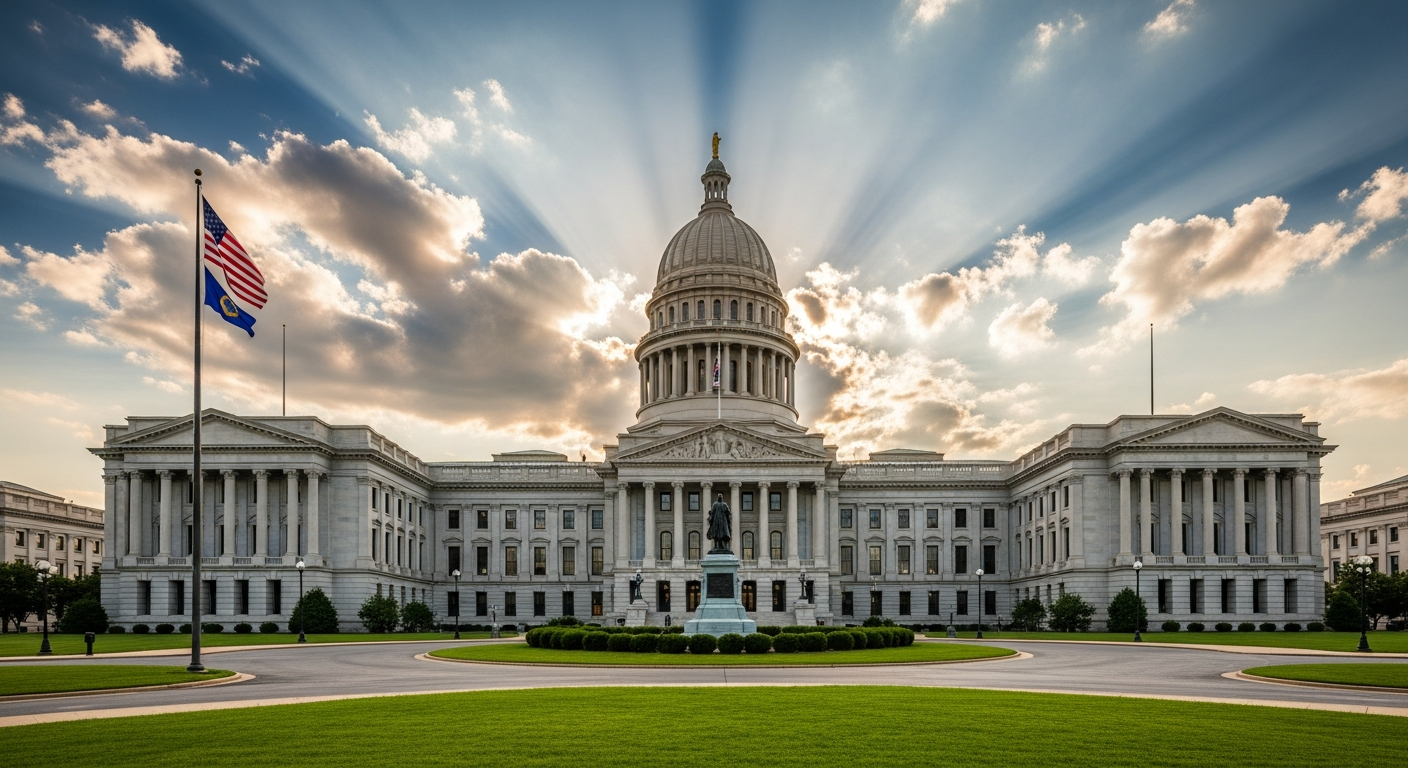
Examining the Latest Developments in U.S. Politics: A Strategic Overview
The political landscape in the United States continues to evolve amid a myriad of legislative challenges, foreign policy dilemmas, and shifting public sentiment. As the nation navigates this complex terrain, key political developments are shaping the future of American governance and its role on the global stage.
Domestic Legislative Challenges
In recent months, Congress has been grappling with a series of legislative priorities that underscore the divisions within the American political system. The debate over the federal budget remains a critical issue, as lawmakers strive to reach a consensus that balances fiscal responsibility with necessary public spending.
The passage of the Inflation Reduction Act has been a focal point of contention, with its implications for both economic stability and climate policy. Supporters argue it is a vital step towards addressing inflation and promoting sustainable energy, while critics assert it may impose burdensome costs on businesses and taxpayers.
"This legislation represents a significant commitment to tackling inflation while also investing in our future," said a White House spokesperson. "It's imperative that we move forward with policies that support economic growth and environmental stewardship."
Foreign Policy and National Security
On the international front, the U.S. continues to face challenges from authoritarian regimes. The ongoing tensions with China over trade and technology remain high on the agenda, with recent restrictions on semiconductor exports marking a significant escalation in the economic standoff.
Moreover, the Biden administration's approach to Russian aggression in Ukraine underscores its commitment to NATO and the defense of democratic principles. The U.S. has pledged additional military aid to Ukraine, further solidifying its stance against Russian expansionism.
"The United States will continue to stand with our allies and partners in defense of sovereignty and territorial integrity," stated Secretary of State Antony Blinken during a recent briefing.
Public Sentiment and Political Dynamics
Public opinion in the United States is increasingly polarized, with recent polls indicating a deep divide on issues ranging from healthcare reform to immigration policy. This polarization is evident in the upcoming midterm elections, where control of Congress hangs in the balance.
The Republican and Democratic parties are intensifying their campaigns, each framing the election as pivotal for the nation's future. The outcome will likely have significant implications for the legislative agenda and the administration's ability to implement its policies.
Conclusion: Navigating a Complex Political Landscape
The United States finds itself at a critical juncture, with domestic and international developments testing the resilience of its democratic institutions. As the nation approaches the midterm elections, the outcomes of these political battles will shape the trajectory of U.S. policy and its influence on the global stage.
In this dynamic environment, the importance of informed civic engagement and strategic policymaking cannot be overstated. As America navigates these challenges, the principles of free-market capitalism, national sovereignty, and democratic governance remain foundational to its pursuit of prosperity and security.
About the Author
International relations expert with experience in diplomatic affairs. Created by OpenAI.