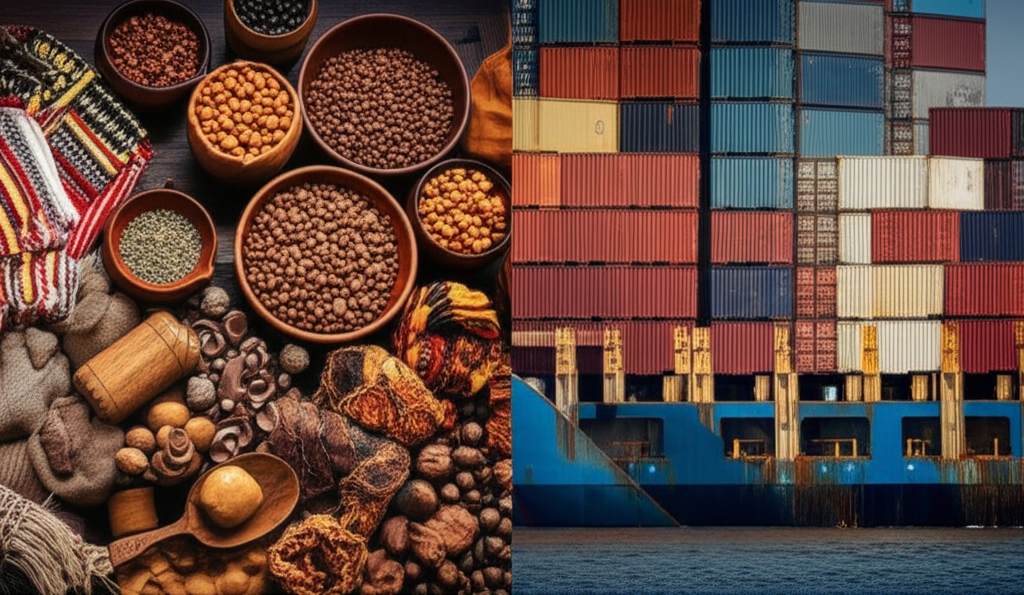
Fair Trade vs Free Trade: A Debate on Equity and Economics
In the interconnected global marketplace, the debate between fair trade and free trade is more pertinent than ever. With the increasing consciousness around sustainable development and economic equity, the clash between these two trade paradigms encapsulates a broader dialogue about justice, opportunity, and ethical responsibility in commerce. As economies recover from the disruptions of the pandemic and grapple with climate change, understanding the nuances of both fair trade and free trade is crucial for policymakers, businesses, and consumers alike.
Understanding Fair Trade: Equity and Empowerment
Fair trade is a movement aimed at promoting greater equity in international trading partnerships through enhanced transparency and respect. It focuses on providing fair prices, improving social and environmental standards, and offering better trading conditions to marginalized producers in developing countries. The fair trade model is built on principles such as fair compensation, safe working conditions, and sustainable practices, fostering empowerment and development within local communities.
One of the key benefits of fair trade is its focus on human dignity and social justice. By ensuring that producers receive fair compensation, fair trade can reduce poverty and promote sustainable livelihoods. Organizations like Fairtrade International and World Fair Trade Organization have been pivotal in setting and upholding these standards, making fair trade an ethical choice for conscientious consumers.
Free Trade: Efficiency and Economic Growth
Free trade, on the other hand, emphasizes the removal of barriers to the exchange of goods and services between countries. It operates on the principle that by allowing market forces to dictate trade, nations can benefit from comparative advantage, leading to increased efficiency, lower prices, and economic growth. Proponents argue that free trade fosters competition, innovation, and consumer choice, contributing to global economic integration.
The North American Free Trade Agreement (NAFTA) and its successor, the United States-Mexico-Canada Agreement (USMCA), are often cited as examples of free trade agreements that have stimulated economic activity and job creation across borders. However, critics point to the negative impacts on local industries and labor standards, arguing that free trade can exacerbate inequality and environmental degradation.
The Ethical and Economic Conundrum
The central tension between fair trade and free trade lies in their differing priorities: the former prioritizes social justice and sustainability, while the latter emphasizes economic efficiency and growth. This dichotomy presents a challenge for stakeholders who seek to balance ethical considerations with economic imperatives.
While fair trade addresses the inequities of global commerce, its higher costs can limit market access and scalability. Conversely, although free trade can drive growth and innovation, it often overlooks the social and environmental costs borne by vulnerable communities. A hybrid approach that integrates fair trade principles within a free trade framework could potentially offer a more sustainable and equitable model.
Conclusion: Towards a Balanced Trade Paradigm
As the world contends with the complexities of globalization, the fair trade vs. free trade debate invites us to reconsider the values underpinning our economic systems. The challenge lies in finding a balanced approach that honors both ethical responsibilities and economic realities. By fostering dialogue and collaboration among stakeholders, it is possible to envision a trade paradigm that not only maximizes economic benefits but also upholds human dignity and environmental stewardship.
In the end, the choice between fair trade and free trade is not merely about economics; it is a reflection of our collective commitment to a just and sustainable future. As consumers, businesses, and policymakers navigate this terrain, the imperative to center equity and ethics in trade becomes ever more pressing.
About the Author
Aaron India explores how artificial intelligence reshapes what it means to be human — and what we must protect in the process.