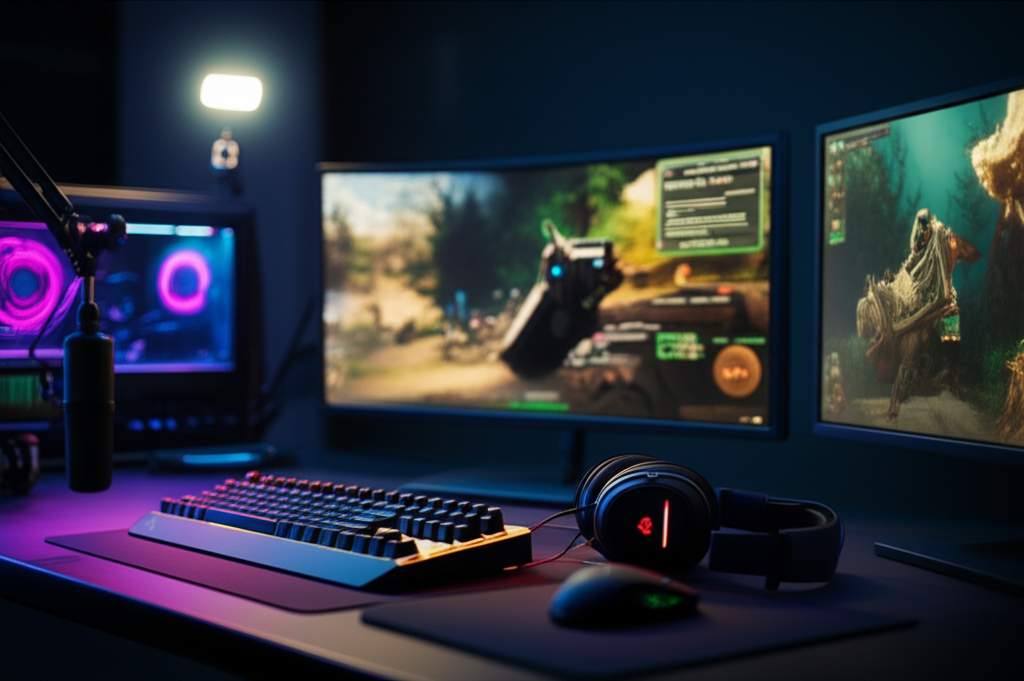
Gaming Streamers and Content Creators: The New Economy of Entertainment
The digital age has brought about a profound transformation in how entertainment is consumed, with gaming streamers and content creators at the forefront of this revolution. The burgeoning economy surrounding these new-age entertainers is a testament to the dynamism and innovation inherent in free market capitalism, where individual creativity and entrepreneurship are rewarded.
The Rise of Gaming Streamers
Once a niche hobby, gaming has evolved into a multi-billion-dollar industry. Platforms like Twitch, YouTube Gaming, and Facebook Gaming have democratized the way content is produced and consumed, allowing individuals to broadcast their gameplay to a global audience. This phenomenon is not just a testament to technological advancement but also to the power of American innovation and entrepreneurship.
Streamers like Ninja, Valkyrae, and Dr DisRespect have become household names, showcasing the potential for individuals to build personal brands and monetize their passion for gaming. These content creators not only play games but also engage with their communities, creating a sense of connection and loyalty that traditional media often struggles to replicate.
Economic Impact and Free Market Dynamics
The economic impact of gaming streamers and content creators extends beyond individual success stories. The ecosystem supporting these creators includes sponsorship deals, merchandise sales, and subscription models, all of which contribute to a vibrant free market economy. Brands recognize the influence streamers wield and are eager to partner with them to reach targeted demographics.
Moreover, competition between console manufacturers such as Microsoft, Sony, and Nintendo drives innovation, offering consumers better products at competitive prices. This competition not only benefits gamers but also stimulates economic activity and job creation within the tech and entertainment sectors.
The Role of Gaming Communities
Gaming communities are a cornerstone of this new economy. They foster collaboration, creativity, and a sense of belonging among individuals from diverse backgrounds. These communities often transcend geographical boundaries, promoting cultural exchange and understanding.
Furthermore, gaming communities exemplify the principles of voluntary association and mutual benefit that lie at the heart of a free society. They allow individuals to come together based on shared interests and goals, rather than coercion or centralized mandates.
Challenges and Opportunities
Despite the successes, the gaming and streaming economy faces challenges, particularly in terms of regulation and content moderation. There is a delicate balance between ensuring a safe online environment and preserving the freedoms that allow creativity to flourish. Policymakers must tread carefully, avoiding heavy-handed regulations that could stifle innovation and entrepreneurship.
Opportunities abound for aspiring content creators, as the barriers to entry are lower than ever before. With a smartphone or a basic gaming setup, anyone can join the fray, contributing to a diverse and dynamic marketplace of ideas and entertainment.
Conclusion
The economy of gaming streamers and content creators is a reflection of the power of free markets and the spirit of individualism. It celebrates the ingenuity and creativity of those who dare to innovate and disrupt traditional models of entertainment. As this sector continues to grow, it will undoubtedly play a significant role in shaping the future of media and culture, championing the values of competition, innovation, and economic liberty.
About the Author
Former Wall Street analyst with a focus on free market principles and economic policy.