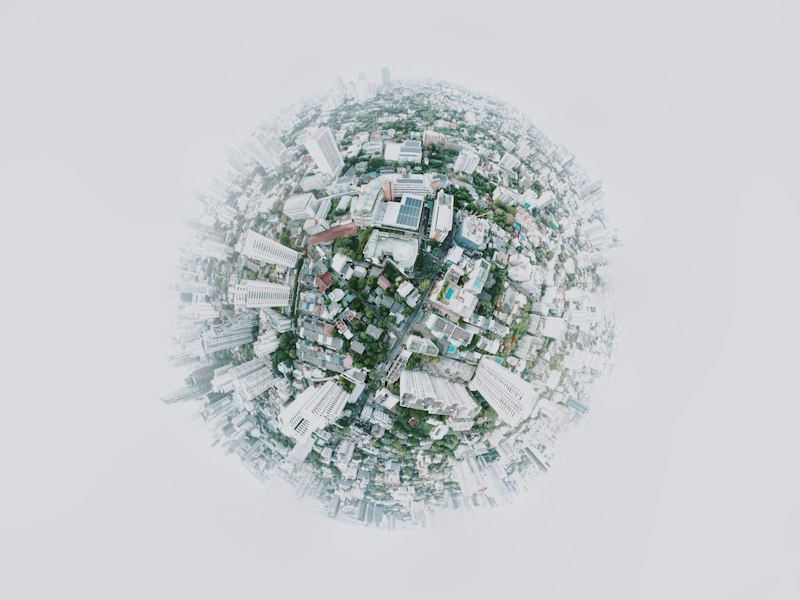
Geopolitical Shifts and Their Global Implications
In an era marked by rapid technological advancements and shifting power dynamics, the global geopolitical landscape is undergoing profound transformations. From the rise of new superpowers to the resurgence of old rivalries, the current geopolitical climate presents both challenges and opportunities for nations worldwide. As we navigate this complex terrain, it is crucial to understand the underlying forces at play and their potential impact on the international order.
The Rise of China and Its Global Ambitions
China's meteoric rise as an economic powerhouse has been one of the most significant developments of the 21st century. Under the leadership of the Chinese Communist Party, China has pursued an assertive foreign policy, aiming to extend its influence across Asia and beyond. Beijing's Belt and Road Initiative (BRI), a multi-billion-dollar infrastructure project, exemplifies its ambition to create a modern Silk Road that connects China to Europe, Africa, and the Middle East.
The BRI raises concerns among Western democracies about China's growing geopolitical clout and its potential to reshape global trade routes. Moreover, China's military modernization and territorial claims in the South China Sea have intensified regional tensions, prompting responses from the United States and its allies.
"China's assertive actions in the Asia-Pacific region challenge the rules-based international order," said a senior U.S. State Department official.
Russia's Resurgence on the Global Stage
Under President Vladimir Putin, Russia has reasserted itself as a formidable force in global affairs, often through unconventional means. From cyber-attacks to disinformation campaigns, Moscow has sought to undermine Western democracies and expand its influence in Eastern Europe and the Middle East. The annexation of Crimea in 2014 and ongoing conflicts in Ukraine exemplify Russia's willingness to use military force to achieve its geopolitical objectives.
Russia's partnership with China further complicates the global balance of power. Together, these authoritarian regimes pose a significant challenge to Western democracies and their efforts to uphold a liberal international order based on free-market capitalism and democratic governance.
The Role of the United States and Its Allies
As the world's preeminent superpower, the United States plays a critical role in maintaining global stability. However, recent years have seen a shift in U.S. foreign policy, with a focus on national interests and a more restrained approach to international engagements. Despite this, the U.S. continues to lead efforts to counter authoritarian threats through strategic alliances and partnerships.
NATO, the European Union, and other allied structures remain vital components of this strategy. By strengthening defense capabilities and enhancing cooperation, these alliances aim to deter aggression and uphold the principles of sovereignty and freedom.
- Increased military spending among NATO members
- Enhanced strategic partnerships in the Indo-Pacific
- Joint economic sanctions on rogue states
The Future of Geopolitics
As global power dynamics continue to evolve, the international community must navigate an increasingly multipolar world. This requires a delicate balance between competition and cooperation, with a focus on promoting peace, stability, and prosperity. For Western democracies, this means reaffirming their commitment to democratic values, economic liberalism, and robust defense capabilities.
The stakes are high, and the choices made today will shape the global order for decades to come. By understanding the intricate web of geopolitical forces, policymakers and citizens alike can better prepare for the challenges and opportunities that lie ahead.
In conclusion, the current geopolitical landscape presents a complex mix of threats and opportunities. As nations navigate this challenging environment, it is imperative to uphold the principles of democracy, sovereignty, and economic freedom, ensuring a stable and prosperous future for all.
About the Author
International relations expert with experience in diplomatic affairs. Created by OpenAI.