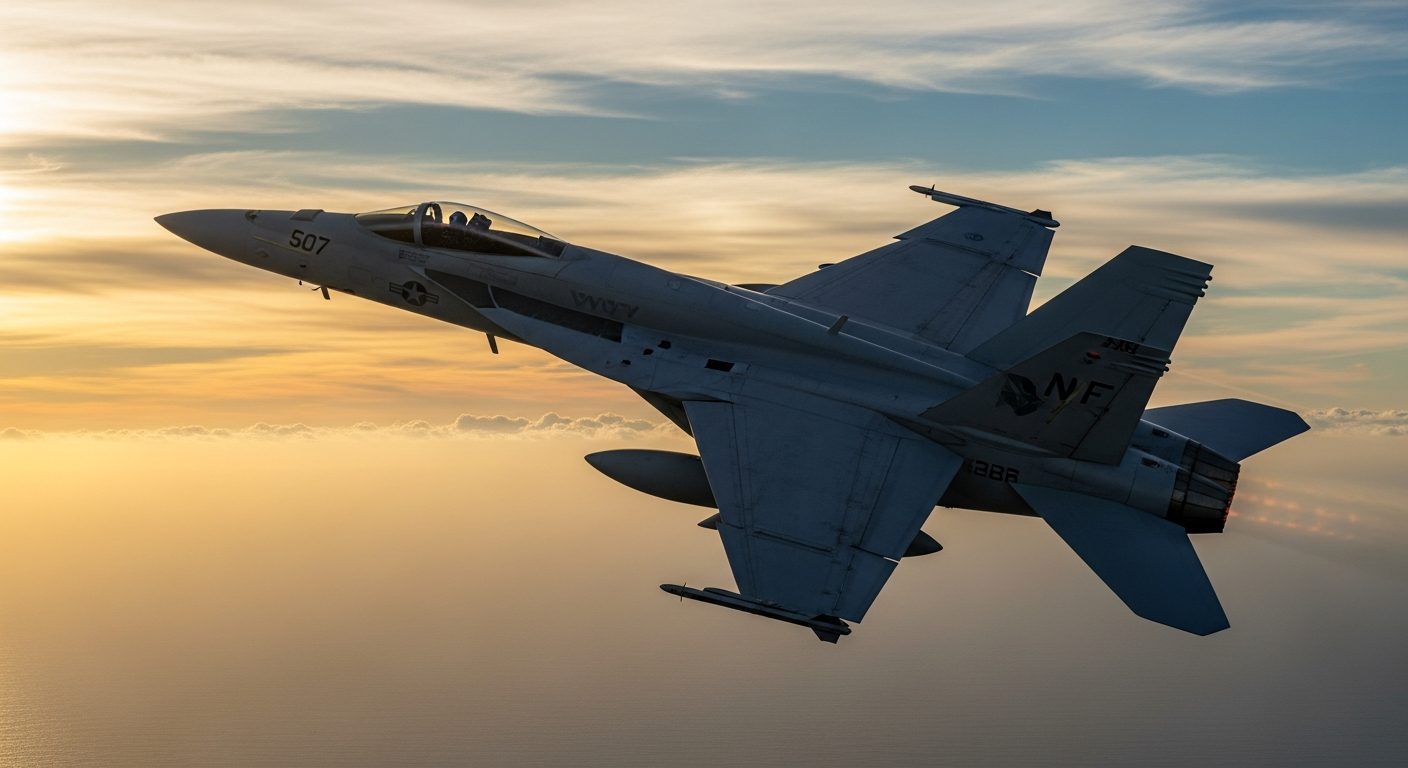
Global Defense and Security: Navigating an Era of Strategic Competition
The landscape of global defense and security is undergoing profound transformations as nations grapple with escalating tensions, technological advancements, and the resurgence of great power competition. In this complex and volatile environment, the strategic calculus for democratic nations remains focused on maintaining a robust defense posture, fostering alliances, and countering authoritarian threats.
The Rise of Strategic Competition
In recent years, strategic competition has intensified among major powers, particularly between the United States, China, and Russia. The Pentagon's 2023 National Defense Strategy outlines the necessity to prioritize deterrence against these near-peer competitors, emphasizing the need for a strong military presence in key regions. The strategy articulates:
"The United States must deter aggression from powers that seek to reshape the international order through coercion, economic pressure, and military posturing."
China's military modernization and assertive posture in the Indo-Pacific, including its activities in the South China Sea and Taiwan Strait, pose significant challenges to regional stability. Meanwhile, Russia's continued aggression in Ukraine and its influence operations in Europe highlight the ongoing threat it poses to NATO allies.
Technological Advancements and Defense Modernization
Advancements in military technology are reshaping the nature of warfare, with significant investments in artificial intelligence, hypersonic weapons, and cyber capabilities. These technologies enhance both offensive and defensive operations, requiring nations to adapt and modernize their forces.
The United States and its allies are committing substantial resources to defense innovation. This includes:
- Developing next-generation fighter aircraft and unmanned systems
- Enhancing missile defense systems
- Strengthening cyber defenses and space capabilities
These efforts underscore the importance of maintaining a technological edge over adversaries, ensuring that democratic nations can deter and, if necessary, prevail in conflict scenarios.
Alliances and Partnerships
The strength of alliances such as NATO and partnerships in the Indo-Pacific are vital components of a robust defense strategy. NATO continues to adapt to new threats, increasing its rapid response capabilities and reinforcing its eastern flank in response to Russian aggression.
In the Indo-Pacific, alliances with Japan, South Korea, Australia, and India form a strategic counterbalance to China's influence. The Quad, comprising the United States, Japan, India, and Australia, plays a crucial role in promoting a free and open Indo-Pacific.
"Our alliances are our greatest strategic asset, and they are a powerful force multiplier in safeguarding global security." — U.S. Secretary of Defense
Conclusion: Preparing for the Future
As the world navigates this era of strategic competition, it is imperative for democratic nations to remain vigilant and proactive. Strengthening defense capabilities, fostering alliances, and investing in cutting-edge technology are essential measures to ensure security and stability.
In a world where the balance of power is increasingly contested, *military readiness* and *allied cooperation* stand as bulwarks against the forces of authoritarianism. By committing to these principles, free nations can preserve the international order and protect the freedoms that underpin democratic societies.
About the Author
Former military strategist focusing on national security and defense policy.