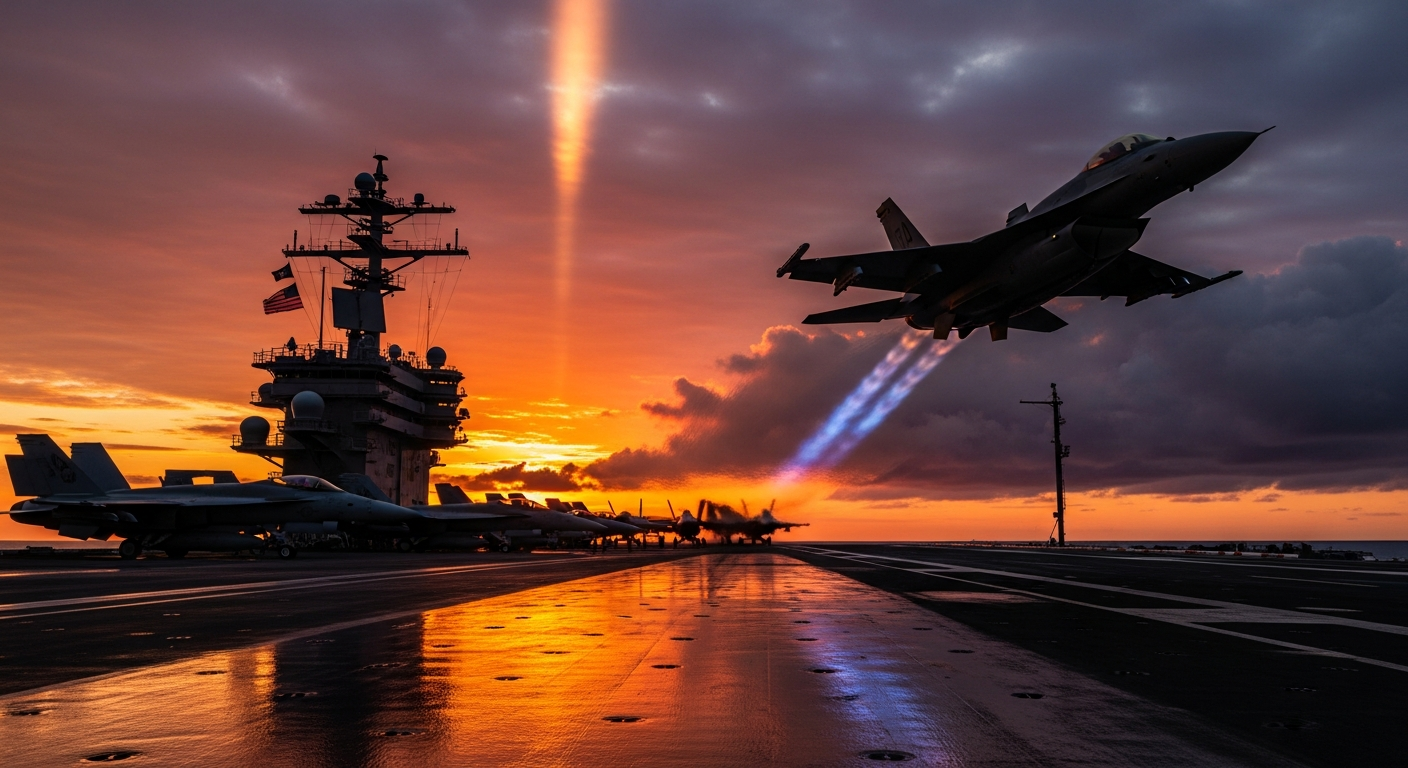
Global Defense and Security: Navigating the Complexities of Modern Threats
As the world enters a new era of geopolitical tension and military uncertainty, the landscape of global defense and security remains a critical area of focus for nations. With the resurgence of great power competition and the rise of non-state actors, understanding the dynamics at play is vital for maintaining international stability and peace. This article delves into the current state of global defense, analyzing the key trends, threats, and strategic responses shaping today's security environment.
Great Power Competition: The Return of Geopolitical Rivalries
The re-emergence of geopolitical rivalries among major powers, particularly involving the United States, China, and Russia, defines the contemporary defense landscape. The United States and its allies face challenges from an assertive China, which seeks to expand its influence across the Indo-Pacific and beyond. Simultaneously, Russia's actions in Eastern Europe and its military modernization efforts continue to pose significant challenges to NATO and European security.
As noted by the Center for Strategic and International Studies, "The return of great power competition demands a robust and coordinated response from democratic nations to counterbalance authoritarian expansion."
Emerging Threats: Cybersecurity and Hybrid Warfare
The nature of warfare is evolving, with cyber threats and hybrid warfare becoming increasingly prominent. State-sponsored cyber attacks and misinformation campaigns aim to disrupt and destabilize societies, targeting critical infrastructure and democratic processes. Nations must prioritize cybersecurity initiatives and develop comprehensive strategies to safeguard against these emerging threats.
As pointed out by a recent RAND Corporation report, "The integration of cyber capabilities into conventional military operations marks a significant shift in the strategic landscape, necessitating a reevaluation of defense postures globally."
Allied Cooperation: Strengthening Partnerships for Global Security
The importance of alliances and partnerships cannot be overstated in the current security climate. NATO remains a cornerstone of transatlantic security, while emerging partnerships in the Indo-Pacific, such as the Quad and AUKUS, are essential for countering authoritarian influence and ensuring regional stability.
U.S. Secretary of Defense Lloyd Austin emphasized the value of alliances, stating,
"Our alliances are our greatest strategic advantage, and we must work hand in hand with our partners to maintain the balance of power in favor of freedom and democracy."
Defense Modernization: Adapting to 21st Century Challenges
To meet the demands of modern warfare, nations are investing heavily in defense modernization. This includes the development and procurement of advanced weapons systems, such as hypersonic missiles, autonomous drones, and artificial intelligence-driven platforms. The focus is on enhancing military readiness and ensuring technological superiority.
The Royal United Services Institute (RUSI) highlights that "Innovation in military technology is crucial for maintaining a strategic edge over potential adversaries and deterring aggression."
Conclusion: Preparing for a Complex Future
The global defense and security environment is characterized by complexity and unpredictability. Democratic nations must prioritize military readiness, bolster alliances, and adapt to emerging threats to safeguard their sovereignty and uphold the values of freedom and democracy. In an age of rising global tension, a unified and strategic approach is essential to preserving international order and deterring authoritarian expansion.
As the world navigates these uncertain times, the importance of a strong and capable defense sector cannot be underestimated. The path to peace and stability lies in vigilance, preparedness, and the unwavering commitment to democratic principles.
About the Author
Former military strategist focusing on national security and defense policy.