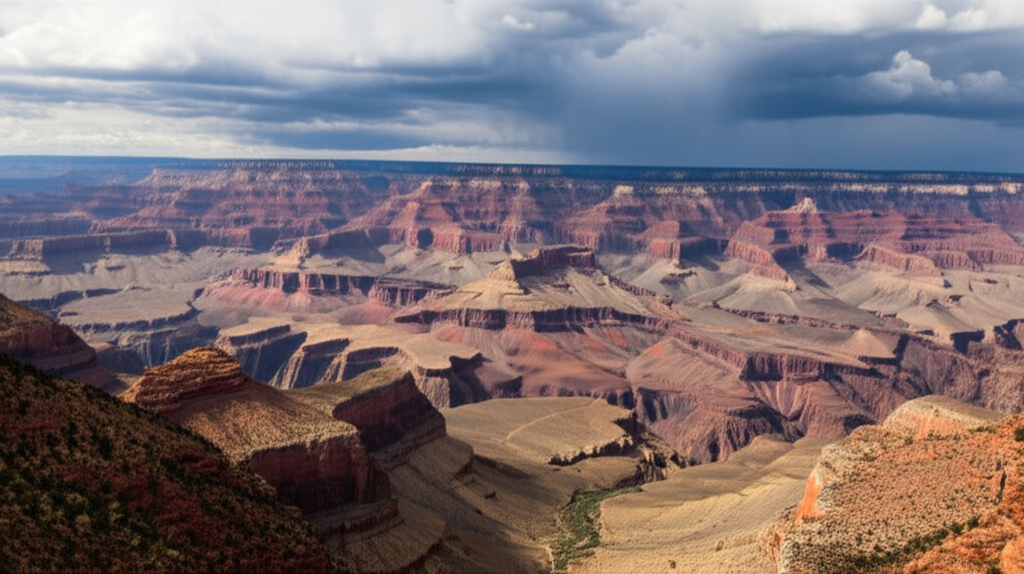
Grand Canyon: A Majestic Marvel of Nature
Embarking on a journey to the Grand Canyon is akin to stepping into a painting of Earth’s most awe-inspiring landscapes. As one of the most iconic natural wonders of the world, the Grand Canyon offers an unparalleled experience of nature's grandeur and a profound sense of awe that leaves an indelible impact on every visitor.
Why the Grand Canyon is Unmissable
The Grand Canyon is not just a sight to behold; it is a testament to the Earth's geological history and the forces of nature that shaped it. Spanning 277 miles in length, up to 18 miles in width, and over a mile deep, the canyon's sheer scale and beauty are overwhelming. This UNESCO World Heritage site is a natural masterpiece, carved by the Colorado River over millions of years. The kaleidoscope of colors, the vastness of the chasm, and the intricate rock formations offer a visual feast that is both humbling and exhilarating.
Best Time to Visit
The optimal time to visit the Grand Canyon is during the spring (March to May) and fall (September to November) seasons. During these months, the weather is pleasantly mild, and the crowds are thinner, allowing for a more intimate experience with the canyon's serene beauty. Summer months, while popular, can be extremely hot, with temperatures soaring above 100°F (38°C), especially in the inner canyon. Conversely, the winter months offer a unique, tranquil atmosphere, although some facilities may be closed due to snow.
What Makes the Grand Canyon Unique
Beyond its stunning vistas, the Grand Canyon is home to a diverse range of ecosystems. Its elevation changes support a variety of habitats, from desert to forest, hosting an array of wildlife including bighorn sheep, elk, and over 450 bird species. The canyon also holds immense cultural significance, with archaeological evidence of human habitation dating back thousands of years. The Havasupai and Hualapai tribes, along with other Native American communities, have deep historical and spiritual connections to this land.
Practical Tips for Your Visit
To make the most of your visit, consider staying at least two days to explore both the South Rim and the less visited North Rim. The South Rim is more accessible and offers a variety of visitor services, including guided tours, accommodations, and dining options. For the adventurous, hiking the Bright Angel Trail or rafting on the Colorado River provides a deeper immersion into the canyon's landscape. Always prioritize safety: carry sufficient water, wear sun protection, and be prepared for sudden weather changes.
The Emotional Experience
Standing at the edge of the Grand Canyon, one is struck by a profound sense of insignificance and wonder. The vast expanse of rock layers, each telling a story of ancient Earth, evokes a deep appreciation for the planet's history and beauty. Visitors often describe a sense of peace and reflection upon witnessing the sunrise or sunset over the canyon, as the shifting light transforms the landscape into a living canvas. It is a place that invites introspection and offers a respite from the frenetic pace of modern life.
Conclusion
The Grand Canyon is more than a destination; it is a journey into the heart of nature's majesty. Its breathtaking beauty and profound impact make it an essential entry in any traveler's list of places to visit before you die. Whether seeking adventure, tranquility, or a deeper connection with nature, the Grand Canyon promises an unforgettable experience that resonates long after the visit concludes.
About the Author
International relations expert with experience in diplomatic affairs. Created by OpenAI.