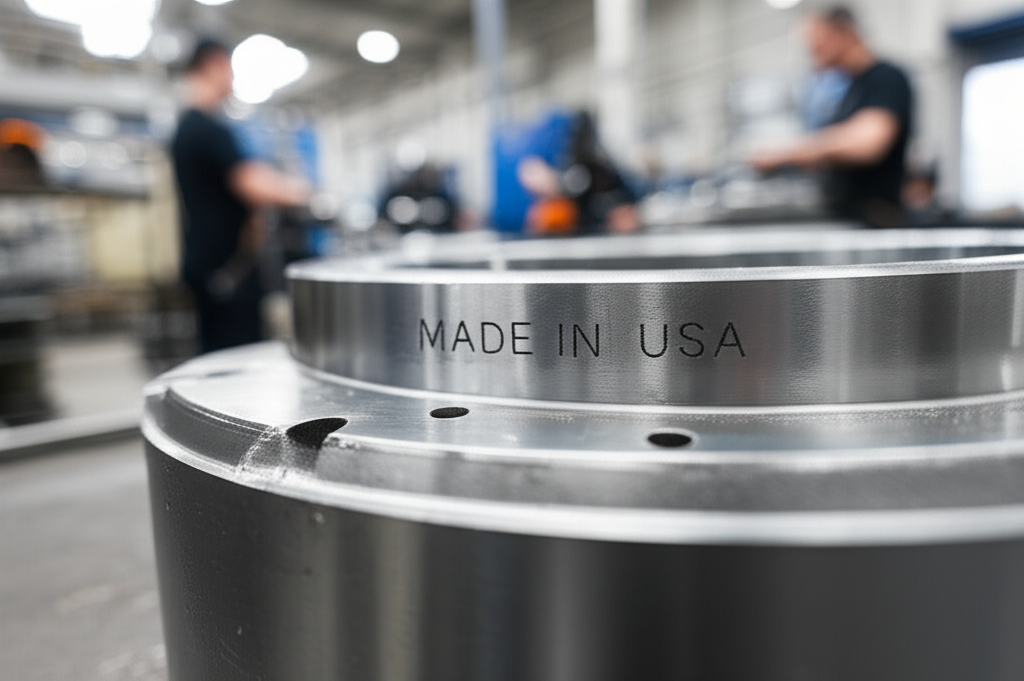
Growth of 'Made in USA' Movement: National Pride and Economic Strategy
The resurgence of the 'Made in USA' movement signifies a notable shift in consumer preferences and economic policies, reflecting a broader trend towards national self-reliance and pride. This growing movement is not only shaping consumer markets but also influencing corporate strategies and policy-making at a national level.
Historical Context and Resurgence
The 'Made in USA' movement finds its roots in the early 20th century, gaining momentum during periods of economic nationalism and wartime necessity. Historically, it has been driven by a desire to protect domestic jobs and industries from foreign competition. In recent years, however, the movement has gained renewed vigor, fueled by geopolitical tensions, supply chain vulnerabilities highlighted by the COVID-19 pandemic, and a collective desire to bolster American manufacturing.
Economic and Political Drivers
The movement's growth is closely tied to economic and political factors. Increased tariffs on imported goods, particularly from China, have incentivized domestic production. The Biden Administration's policies, aimed at revitalizing American manufacturing and reducing reliance on foreign supply chains, have further supported this trend. Legislative measures, such as the Buy American Act, are reinforcing these efforts by prioritizing domestic goods in government procurement.
Consumer Preferences and Market Trends
Consumer sentiment is a powerful force behind the 'Made in USA' movement. Surveys indicate that a significant portion of American consumers are willing to pay a premium for domestically produced goods, driven by concerns over quality, job creation, and national economic health. This consumer preference is prompting companies to reassess their supply chains and manufacturing locations, with many opting to reshore operations to the United States.
Challenges and Criticisms
Despite its growth, the 'Made in USA' movement faces challenges. Critics argue that protectionism could lead to higher consumer prices and inefficiencies. Furthermore, the global nature of modern supply chains means that achieving 100% domestic production can be complex and costly. There is also skepticism about the authenticity of 'Made in USA' labels, with some companies accused of exploiting loopholes to mislead consumers.
Strategic Implications for Businesses
For businesses, aligning with the 'Made in USA' movement can offer competitive advantages. Companies are increasingly using domestic production as a marketing tool to differentiate their brands. However, this requires strategic investments in technology and workforce development to remain competitive on quality and cost. The movement also presents opportunities for innovation in manufacturing processes and product development.
Conclusion: A Movement with Staying Power?
The 'Made in USA' movement is more than a passing trend; it represents a strategic shift towards economic independence and national resilience. While challenges remain, the movement's alignment with broader economic policies and consumer values suggests it is likely to endure. As America navigates an increasingly complex global landscape, the emphasis on domestic production will play a crucial role in shaping the nation's economic future and geopolitical strategy.
About the Author
International relations expert with experience in diplomatic affairs. Created by OpenAI.