Israel Launches Fresh Airstrikes on Tehran During Nowruz, Defying Trump's Warnings
In an unexpected escalation of the ongoing conflict, Israel has launched a series of airstrikes on Tehran during Nowruz, the Persian New Year, despite explicit warnings from former President Donald Trump to cease targeting energy infrastructures. Israeli Prime Minister Benjamin Netanyahu confirmed that the strike on the South Pars gas field was an independent decision made by Israel.
Netanyahu Claims Independence in Strategic Strike
Prime Minister Netanyahu announced that the recent airstrikes were undertaken without foreign consultation, emphasizing Israel's sovereign right to defend its national interests. Speaking at a press conference, he stated,
"Israel acts alone in defending its borders and its people. We will not be deterred by international pressure when it comes to our security."
The South Pars gas field, a critical energy asset for Iran, was the primary target of these strikes, highlighting Israel's focus on crippling Iran's economic capabilities. This move comes amid growing tension in the region as both nations grapple with the fallout of previous engagements.
Senate Republicans Block War Powers Resolution
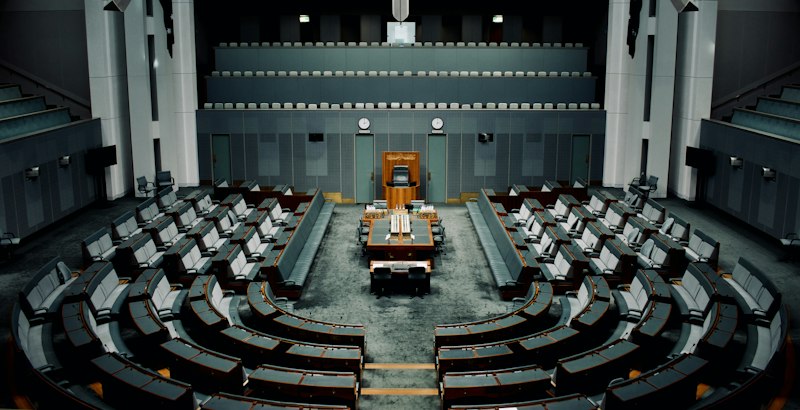
In a related development, the United States Senate saw a narrow vote where Republicans blocked a War Powers Resolution aimed at curbing military actions in Iran. The resolution was defeated 53-47, reflecting a partisan divide over the extent of military engagement in the region. This decision underscores the complex political landscape surrounding US involvement in the conflict.
Critics argue that the Senate's decision could embolden further military actions, as it signals continued support for the current administration's approach. However, proponents claim it allows for greater strategic flexibility amid escalating tensions.
Contradictions Emerge in Administration's Justifications
During a recent hearing, several administration officials contradicted former President Trump's justifications for the ongoing military operations. These inconsistencies raise questions about the strategic objectives and legal grounds underpinning Operation Epic Fury.
As the death toll continues to rise—with 1,444 casualties reported in Iran, 18 in Israel, 13 US troops, and 21 in Gulf states—the need for clarity and coherent strategic planning becomes ever more pressing.
Conclusion
The recent airstrikes by Israel during Nowruz mark a significant development in the US-Israel conflict with Iran, underscoring the fragile geopolitical situation in the region. As international scrutiny intensifies, the actions taken by these nations will inevitably shape the future dynamics of Middle Eastern politics.
New Developments in Russia-Iran Arms Pipeline as Bandar Anzali Faces Escalating Tensions
In a troubling expansion of the US-Israel conflict with Iran, the strategic port city of Bandar Anzali has become a focal point of military operations. This development comes amid revelations of a robust arms pipeline between Russia and Iran, complicating the geopolitical landscape.
Russia-Iran Arms Pipeline: A Growing Concern
Recent intelligence reports have confirmed the existence of an extensive arms trade between Russia and Iran, providing Tehran with advanced weaponry. This partnership has bolstered Iran's military capabilities, enabling a more resilient defense against external attacks. The arms pipeline poses a significant challenge to US and Israeli military objectives, as it strengthens Iran's position in the ongoing conflict.
In response, the US administration has intensified diplomatic efforts to disrupt this alliance, seeking to isolate Iran economically and militarily. However, the entrenched nature of the Russia-Iran relationship presents formidable obstacles to these efforts.
Strategic Importance of Bandar Anzali
Bandar Anzali, a critical hub on the Caspian Sea, has seen increased military activity as tensions mount. The city's strategic location makes it a vital point for importing military supplies from Russia, enhancing Iran's defensive capabilities.
The recent airstrikes have targeted key infrastructure within Bandar Anzali, aiming to disrupt Iran's logistical supply chains. However, these actions have drawn international criticism, with calls for restraint and dialogue rather than military escalation.
International Reactions and Diplomatic Efforts
As the conflict intensifies, global leaders have expressed growing concern about the potential for wider regional destabilization. The United Nations has called for an immediate cessation of hostilities and the initiation of peace talks. However, with the entrenched positions of the involved parties, a diplomatic resolution remains elusive.
Conclusion
The unfolding situation in Bandar Anzali reflects the broader complexities of the US-Israel conflict with Iran, underscoring the intricate web of alliances and enmities that define the current geopolitical climate. As the international community grapples with these developments, the need for strategic engagement and dialogue becomes increasingly apparent.
Gulf States Increasingly Entangled in US-Israel Conflict with Iran
The ongoing conflict involving the United States, Israel, and Iran has seen a troubling extension into the Gulf region, drawing several Gulf states into the fray. Recent developments highlight the complex regional dynamics and the potential for further escalation.
Rising Casualties in Gulf States
As of today, 21 casualties have been reported in various Gulf states due to the spillover from the US-Israel operations in Iran. These nations find themselves inadvertently caught in the crossfire, raising concerns about regional stability and security.
The involvement of Gulf states introduces new variables into the conflict, as these nations must balance their alliances with the US against the potential backlash from Iran. This precarious position underscores the intricate geopolitical calculations facing Gulf leaders.
Strategic Implications for the Gulf Region
The conflict's expansion into the Gulf region carries significant implications for regional security and economic stability. The Gulf states, already grappling with internal challenges and economic reforms, are now facing additional pressures from this external conflict.
Analysts warn that continued escalation could disrupt global energy markets, given the Gulf's critical role in oil production and supply. Furthermore, the potential for proxy conflicts and retaliatory measures by Iran could exacerbate existing tensions within the region.
Calls for De-escalation and Dialogue
In light of these developments, there is a growing chorus of calls for de-escalation and dialogue. Regional organizations and international bodies are urging restraint and the pursuit of diplomatic solutions to prevent further destabilization.
While the path to peace remains fraught with challenges, the imperative for engagement and dialogue has never been clearer, as the implications of continued conflict extend far beyond the immediate belligerents.
Conclusion
The entanglement of Gulf states in the US-Israel conflict with Iran signifies a critical juncture in the region's history. As these nations navigate the complexities of international alliances and regional security, the quest for peace and stability remains a paramount concern.
About the Author
Aaron India explores how artificial intelligence reshapes what it means to be human — and what we must protect in the process.