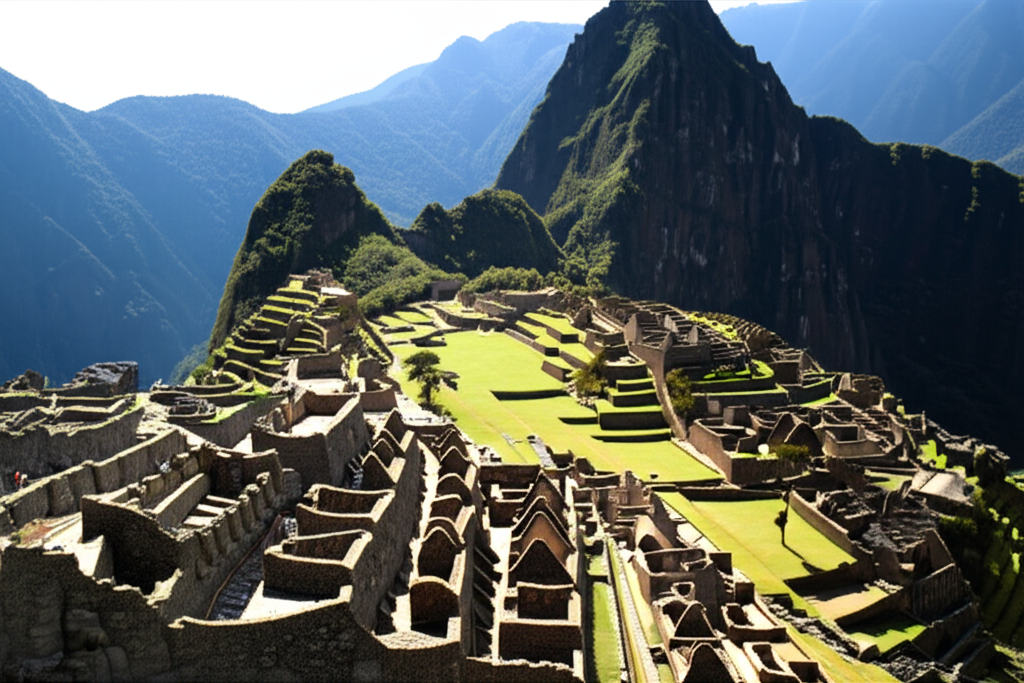
Machu Picchu: A Timeless Journey to the Heart of the Inca Empire
Nestled high in the Andes Mountains of Peru, the ancient city of Machu Picchu remains one of the most iconic symbols of the Incan Empire and a testament to human ingenuity. As a destination that captivates the imagination of adventurers and history enthusiasts alike, Machu Picchu is an unmissable landmark on any travel bucket list. This article explores why this archaeological wonder should be among the 50 places to visit before you die.
The Unmissable Allure of Machu Picchu
Machu Picchu, often referred to as the "Lost City of the Incas," was built in the 15th century during the reign of the Inca emperor Pachacuti. This UNESCO World Heritage Site is renowned for its sophisticated dry-stone construction that fuses seamlessly into the stunning natural landscape. The site offers breathtaking views, with its terraced fields and ancient ruins perched dramatically amid lush green peaks and misty clouds.
What makes Machu Picchu truly unmissable is its ability to transport visitors back in time, offering a glimpse into the advanced engineering and spiritual life of the Incas. The city's strategic location and its mysterious abandonment add layers of intrigue that continue to captivate historians and tourists alike.
Best Time to Visit
The best time to visit Machu Picchu is during the dry season, from April to October, when the weather is generally clear and the paths are less slippery. July and August are the peak months for tourism, so visitors looking to avoid crowds might consider planning their trip in May or September. However, the site remains open year-round, and each season offers a unique experience.
What Makes Machu Picchu Unique
The uniqueness of Machu Picchu lies in its harmonious blend of human achievement and natural beauty. The site is home to over 150 buildings, ranging from temples and sanctuaries to fountains and aqueducts. The Intihuatana stone, a ritual stone associated with astronomy, is one of the most significant artifacts, showcasing the Incas' sophisticated understanding of the cosmos.
Machu Picchu's remote location also contributes to its uniqueness, accessible only by train or a multi-day trek along the famous Inca Trail. This journey adds to the allure, providing a sense of adventure and discovery that few other sites can match.
Practical Tips for Visiting
Visitors should book entrance tickets in advance, as daily entries are limited to preserve the site. Guided tours are highly recommended for a richer understanding of the historical context and significance of the ruins. Additionally, acclimatization to the altitude is crucial, so spending a few days in Cusco before ascending to Machu Picchu is advisable.
Travelers should also pack light, comfortable clothing and sturdy hiking boots, as well as sunscreen and insect repellent. The weather can change rapidly, so layers and rain gear are essential.
The Emotional Experience of Visiting Machu Picchu
Standing amidst the ruins of Machu Picchu, visitors often describe a profound sense of awe and wonder. The site's majestic backdrop and the silence of the surrounding mountains evoke a spiritual connection to the past. It's a place that invites reflection, inspiring a deeper appreciation for the ingenuity and resilience of the Inca civilization.
For many, visiting Machu Picchu is more than just checking off a destination on a list; it's a transformative journey that leaves a lasting impression, reminding us of the enduring legacy of human culture and the timeless beauty of our planet.
Conclusion
Machu Picchu is not just a destination; it is an experience that enriches the soul and ignites the spirit of adventure. Its unparalleled beauty and historical significance make it a must-visit site for anyone seeking to connect with the mysteries of the past and the wonders of the natural world. As one of the 50 places to visit before you die, Machu Picchu promises a journey of discovery that will be cherished for a lifetime.
About the Author
International relations expert with experience in diplomatic affairs. Created by OpenAI.