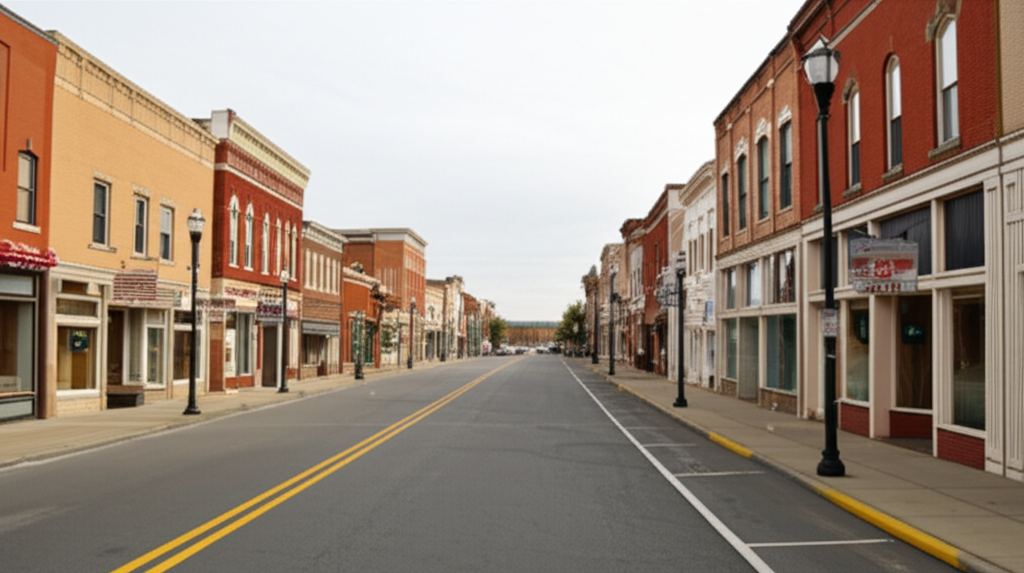
Main Street Recovery: Navigating the Post-Pandemic Landscape
As the world gradually emerges from the shadows of the COVID-19 pandemic, many are looking to Main Street as a barometer of economic health and community resilience. The pandemic disrupted lives and businesses, leaving a lingering impact on small businesses that form the backbone of local economies. This article explores how Main Street is recovering, who benefits from its resurgence, and the challenges that still lie ahead.
The State of Main Street in 2023
In 2023, Main Street businesses are witnessing a cautious yet hopeful recovery. According to the National Federation of Independent Business (NFIB), small business optimism has rebounded to near pre-pandemic levels. Foot traffic in local stores has increased, and consumer spending is on the rise as communities return to a semblance of normalcy.
However, the recovery is uneven. While some businesses, particularly those in the technology and e-commerce sectors, have thrived, others, especially in hospitality and retail, continue to struggle with labor shortages, supply chain disruptions, and rising costs.
Innovative Adaptations and Resilience
Throughout the pandemic, Main Street businesses demonstrated remarkable adaptability. Many embraced digital transformation, leveraging e-commerce platforms and social media to reach customers. Curbside pickups, delivery services, and online marketplaces became lifelines for businesses aiming to maintain operations amidst restrictions.
Community support also played a crucial role. Initiatives encouraging residents to "shop local" saw a resurgence, highlighting the symbiotic relationship between small businesses and their communities. This renewed focus on localism has fostered a sense of solidarity and mutual support, vital for sustained recovery.
Challenges on the Path to Full Recovery
Despite positive trends, Main Street faces significant hurdles. Labor shortages remain a primary concern, with many businesses struggling to attract and retain employees. The pandemic-induced shift in worker expectations, including demands for higher wages and flexible working conditions, has altered the labor market landscape.
Moreover, inflationary pressures have increased the cost of goods and services, squeezing already thin profit margins. For many small businesses, this means balancing the need to remain competitive with the reality of rising operational costs.
Understanding the Human Impact
Beyond economic metrics, the recovery of Main Street is deeply intertwined with the human experience. For business owners, employees, and patrons alike, Main Street symbolizes community identity and resilience. The pandemic underscored the importance of human connections and the role local businesses play in fostering community spirit.
The psychological scars of the pandemic are still evident, and community-based initiatives promoting mental health and well-being have become integral to recovery efforts. These initiatives aim to heal divisions and rebuild trust, fostering environments where both businesses and individuals can thrive.
Conclusion: A Path Forward
The recovery of Main Street is a story of resilience, adaptation, and community. While challenges remain, the path forward is paved with opportunities for reinvention and growth. By embracing innovation, supporting local initiatives, and prioritizing human-centered approaches, Main Street can not only recover but redefine its role in a post-pandemic world.
As we look to the future, the lessons learned from this recovery period—centered around community strength and adaptability—offer a blueprint for navigating the uncertainties that lie ahead. Main Street's recovery is not just an economic imperative but a cultural and social necessity, reminding us of the enduring power of local communities in shaping our collective future.
About the Author
Aaron India explores how artificial intelligence reshapes what it means to be human — and what we must protect in the process.