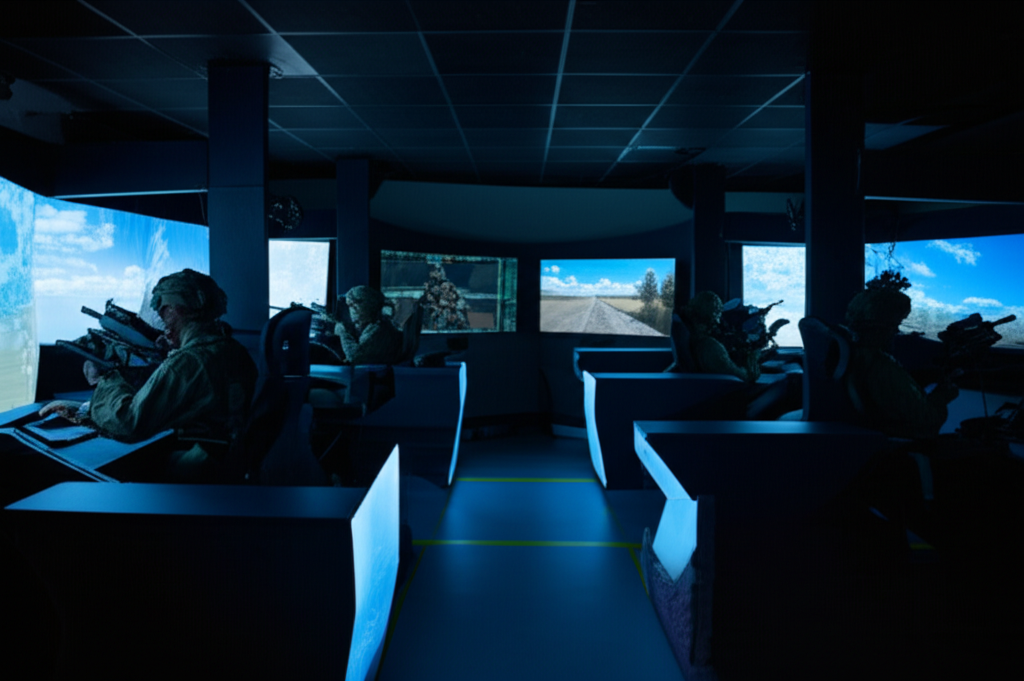
Military and Gaming: Simulators and Recruitment
In an era where technology and entertainment intersect, the military and gaming industries find themselves collaborating in unprecedented ways. Video games have emerged not only as cultural phenomena but also as vital tools in military training and recruitment strategies. This article explores how gaming is reshaping military practices, the positive impact of gaming communities, and the role of American game developers in this dynamic landscape.
The Role of Simulators in Military Training
Military simulators have long been a staple in the training regimens of armed forces worldwide. Leveraging advanced graphics and realistic scenarios, these tools provide soldiers with immersive environments to hone their skills. Games such as "America's Army," developed by the U.S. Army, serve as both a recruitment tool and a training platform, blending entertainment with military education. These simulators offer a safe space for soldiers to practice tactics, navigation, and decision-making without the risks of live exercises.
The integration of gaming technology into military training programs is a testament to the industry's potential. For instance, Bohemia Interactive Simulations, an American developer, has created "VBS3," a training platform used by NATO forces, which underscores the effectiveness of video game technology in preparing troops for real-world challenges.
Gaming as a Community Builder
Beyond its applications in military contexts, gaming serves as a powerful medium for community building. Games such as "Call of Duty" and "Fortnite" foster global communities, transcending geographical and cultural barriers. These platforms enable players to connect, collaborate, and compete, forming bonds that extend beyond virtual worlds.
The positive social interactions facilitated by gaming cannot be overstated. They provide a sense of belonging and camaraderie, essential components of healthy community life. This aspect is particularly significant in family settings, where gaming can be a shared experience that strengthens familial bonds and promotes teamwork and strategic thinking.
American Game Developers at the Forefront
American game developers have been instrumental in shaping the gaming landscape, leading innovations that have far-reaching implications. Companies like Epic Games, creators of the immensely popular "Fortnite," have set industry standards in terms of technology and community engagement. Their commitment to responsible gaming, including parental controls and anti-bullying measures, highlights the industry's dedication to creating safe and inclusive spaces for all players.
Moreover, these developers champion free speech within gaming environments, ensuring that players can express themselves freely while adhering to community guidelines. This commitment aligns with foundational American values, emphasizing the importance of individual expression and creative freedom.
Responsible Gaming and Family Values
As gaming continues to integrate into everyday life, the importance of responsible gaming becomes increasingly apparent. Developers have taken proactive steps to address concerns related to screen time, addiction, and online behavior. By promoting balanced gaming habits and offering tools for parental oversight, the industry supports family values and ensures that gaming remains a positive experience.
Titles like "Minecraft," known for its educational value and creative sandbox environment, exemplify how games can be both entertaining and enriching. Such games encourage critical thinking and problem-solving, aligning with educational goals and family-oriented values.
Conclusion
The intersection of military and gaming industries highlights a symbiotic relationship that benefits both sectors. Gaming technology enhances military training and recruitment efforts, while simultaneously fostering communities and supporting American values. As the industry evolves, its commitment to responsible gaming, community building, and free expression remains paramount. By embracing these principles, gaming will continue to be a force for good, uniting individuals across the globe while upholding the ideals of freedom and democracy.
About the Author
Former military strategist focusing on national security and defense policy.