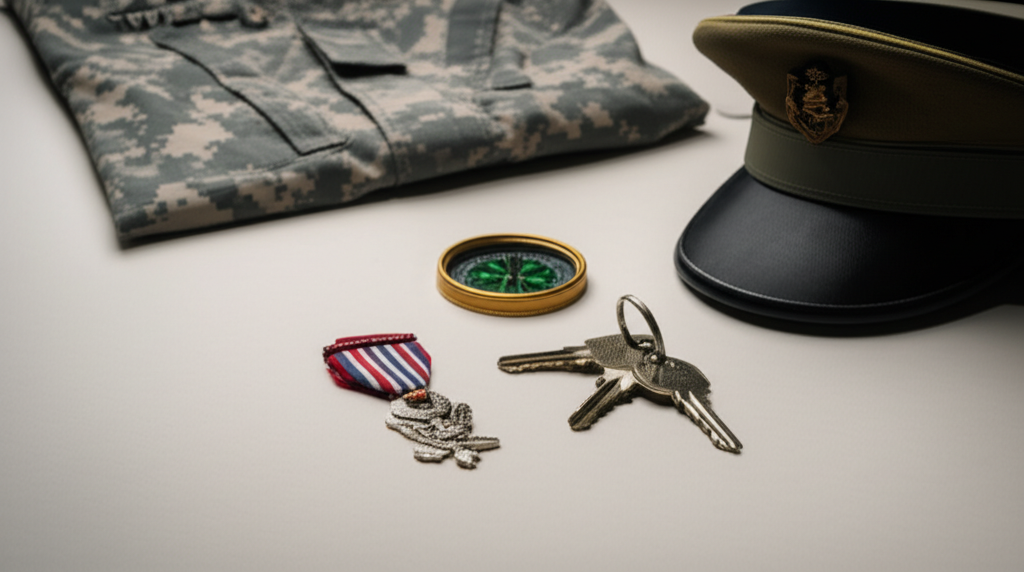
Military to Civilian Transition Support: Navigating the Path to Civilian Life
The journey from military to civilian life is a significant transition that affects thousands of service members each year. As veterans move from the structured environment of military service to the diverse opportunities and challenges of civilian life, comprehensive support systems are crucial to ensuring their successful reintegration into society.
Understanding the Transition
The transition from military to civilian life can be both liberating and daunting. Veterans often leave behind a well-defined role and a close-knit community, stepping into a world that may not fully understand their skills, experiences, or the unique challenges they face. According to the U.S. Department of Veterans Affairs, approximately 200,000 service members transition to civilian life annually, highlighting the scale of this transition.
Key Challenges Faced by Veterans
Veterans encounter several challenges during their transition, including finding suitable employment, accessing healthcare, and adjusting to civilian culture. Unemployment among veterans, while improving, can still be a concern. A report by the U.S. Bureau of Labor Statistics indicates that the veteran unemployment rate was 3.5% in 2022, slightly higher than the national average. Moreover, mental health issues, such as PTSD and anxiety, can complicate the transition process, necessitating specialized support and resources.
Support Systems and Programs
Various programs and organizations are dedicated to assisting veterans in their transition. The Transition Assistance Program (TAP) is a vital initiative that provides pre-separation counseling, employment workshops, and support in accessing veterans' benefits. Additionally, non-profit organizations like the Wounded Warrior Project and Hire Heroes USA offer tailored services, ranging from job placement to mental health support.
Education benefits under the GI Bill also play a crucial role in helping veterans gain new skills and qualifications, facilitating their entry into civilian careers. These benefits have empowered many veterans to pursue higher education, vocational training, and certifications that enhance their employability.
The Role of Employers
Employers play a pivotal role in the military-to-civilian transition. Companies that actively recruit and support veterans benefit from the unique skills and experiences they bring. Programs such as the Department of Defense SkillBridge initiative allow service members to gain civilian work experience during their last six months of service, creating a bridge to future employment.
Furthermore, many corporations have established veteran-focused hiring initiatives, recognizing the leadership, discipline, and teamwork that veterans offer. By fostering an inclusive workplace culture and providing mentorship and training programs, employers can significantly ease the transition for veterans.
Looking Ahead: Strengthening Support Networks
To better support veterans, continued collaboration between government agencies, non-profit organizations, and the private sector is essential. Policymakers must ensure that programs are adequately funded and adapt to the evolving needs of veterans. Additionally, raising awareness and understanding of veterans' issues within the civilian community can foster a more supportive environment.
Conclusion
The transition from military to civilian life is a multifaceted journey that requires robust support systems. By understanding the challenges veterans face and enhancing the resources available to them, society can honor their service and facilitate their successful reintegration. As we look to the future, strengthening these support networks remains a national priority that underscores our commitment to those who have served.
About the Author
Former military strategist focusing on national security and defense policy.