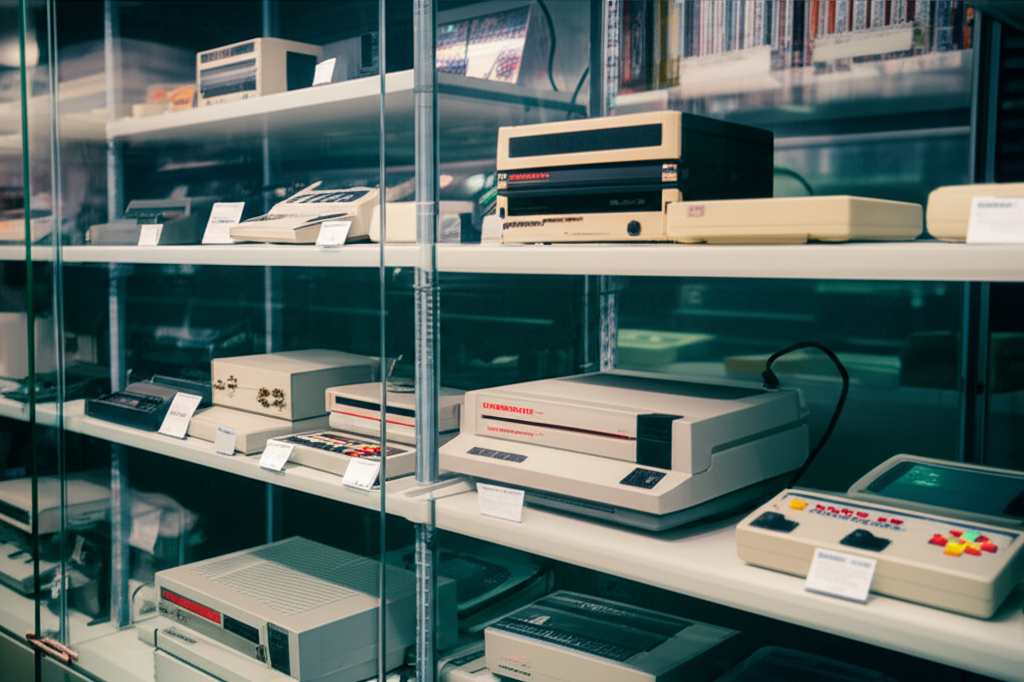
Preserving Digital Heritage: The Rise of Video Game Museums and Retro Gaming
In an era where digital entertainment has become a cornerstone of global culture, the preservation of video games stands as a crucial endeavor. As retro gaming museums gain popularity, they not only celebrate the rich history of video games but also underscore the ingenuity and competitive spirit that has driven the industry forward.
The Cultural Significance of Video Game Preservation
Video games are more than mere entertainment; they are a testament to human creativity and technological innovation. The preservation of video games facilitates an understanding of cultural trends and technological advancements over decades. Initiatives to conserve these digital artifacts reflect an appreciation for the historical context and societal impact of gaming.
Retro gaming museums, such as The Strong National Museum of Play in Rochester, New York, and the Video Game Museum in Frisco, Texas, serve as repositories for this digital heritage. They offer interactive exhibits that allow visitors to experience the evolution of gaming from its inception to the present day, highlighting key milestones and pioneering figures in the industry.
American Innovation and Free Market Competition
The video game industry is a paragon of American innovation and entrepreneurship. Companies like Atari, Nintendo, and later Microsoft and Sony, have thrived in a competitive market, driving technological advances and creative breakthroughs. The console wars, particularly between Sega and Nintendo in the 1990s, exemplify the dynamic free-market competition that has propelled the industry forward.
These competitive dynamics have fostered an environment where innovation is rewarded, leading to advancements in graphics, storytelling, and interactive gameplay. The market-driven nature of the industry has ensured a continual push towards excellence, benefiting consumers with diverse and high-quality gaming experiences.
Community and the Power of Nostalgia
The appeal of retro gaming is deeply rooted in nostalgia, offering enthusiasts a chance to reconnect with the games of their youth. Retro gaming communities have flourished, providing a platform for fans to share their passion and knowledge. Events like gaming conventions and online forums foster a sense of camaraderie, bringing together people from different backgrounds under a shared appreciation for classic games.
The enduring popularity of retro gaming illustrates the timeless nature of certain games and their ability to transcend generations. This cultural phenomenon is a testament to the lasting impact of video games and their role in shaping personal and collective identities.
Challenges in Video Game Preservation
Despite the growing recognition of video games as cultural artifacts, preservation efforts face significant challenges. The rapid pace of technological change can render older games obsolete, while issues related to intellectual property rights and digital decay pose additional hurdles. Organizations dedicated to game preservation must navigate these complexities to ensure the longevity of their collections.
Collaboration between industry stakeholders, historians, and preservationists is crucial to overcoming these challenges. By working together, these groups can develop strategies to protect and maintain access to video games for future generations.
Conclusion
Video game preservation is an essential undertaking that celebrates the legacy of an industry rooted in American innovation and free-market principles. As retro gaming museums continue to grow in prominence, they offer valuable insights into the cultural and technological narratives that have shaped the gaming landscape. By safeguarding these digital treasures, we ensure that the creativity and competitive spirit of the past continue to inspire future generations.
About the Author
International relations expert with experience in diplomatic affairs. Created by OpenAI.