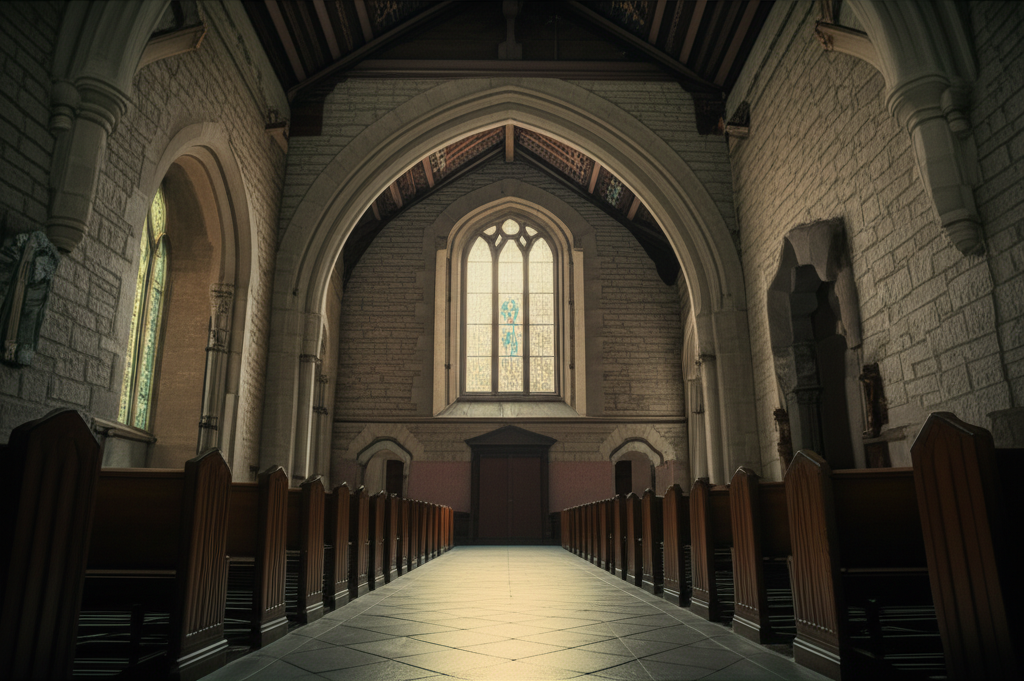
Protecting Religious Institutions: A Pillar of Democratic Society
In recent years, the safety and security of religious institutions have become a critical concern across the globe. As pillars of community life and bastions of cultural heritage, these institutions face increasing threats from extremist ideologies, geopolitical tensions, and societal unrest. Amid these challenges, safeguarding religious sites is essential not only for the protection of individual freedoms but also for the preservation of democratic values.
The Rising Threats
Religious institutions worldwide are confronted with a spectrum of threats, ranging from vandalism and theft to terrorist attacks and state-sponsored repression. In 2023 alone, reports have highlighted numerous incidents targeting places of worship across various continents, underscoring the urgent need for comprehensive protective measures. The United States Department of Homeland Security has noted a rise in domestic extremism aimed at religious minorities, while international watchdogs like Amnesty International have documented state-led crackdowns on religious groups in authoritarian regimes.
Geopolitical and Ideological Dimensions
Religious persecution is often intertwined with broader geopolitical and ideological struggles. In countries like China, the Communist Party's stringent control over religious practices reflects its broader authoritarian agenda. The suppression of Uyghur Muslims in Xinjiang and the crackdown on Christian congregations illustrate how religious oppression serves as a tool for maintaining political control. Similarly, in regions like the Middle East, sectarian conflicts and government policies often exacerbate religious tensions, driving communities apart and undermining prospects for peace.
Policy Responses and Protective Measures
Western democracies have responded to these threats with a variety of strategies aimed at bolstering the security of religious institutions. In the U.S., the Nonprofit Security Grant Program provides funding to enhance the physical security of places of worship. Similarly, European nations have strengthened their counter-terrorism efforts and improved community-police partnerships to preempt potential threats. These initiatives are crucial in not only protecting religious sites but also in affirming the democratic principle of religious freedom.
The Role of Civil Society and International Cooperation
Civil society organizations play a pivotal role in advocating for the protection of religious institutions. Groups such as the International Religious Freedom Roundtable work tirelessly to raise awareness and influence policy at both national and international levels. Furthermore, multilateral cooperation, as seen in the United Nations' efforts to promote interfaith dialogue and combat religious intolerance, underscores the importance of a coordinated global response.
Conclusion: Upholding Democratic Values
Protecting religious institutions is not merely a security imperative; it is a fundamental aspect of upholding democratic values and human rights. As societies grapple with the challenges posed by extremism and authoritarianism, ensuring the safety of places of worship remains a crucial task. By fostering resilience through robust policy measures, international collaboration, and community engagement, democracies can safeguard the freedoms that lie at the heart of their identity.
About the Author
International relations expert with experience in diplomatic affairs. Created by OpenAI.