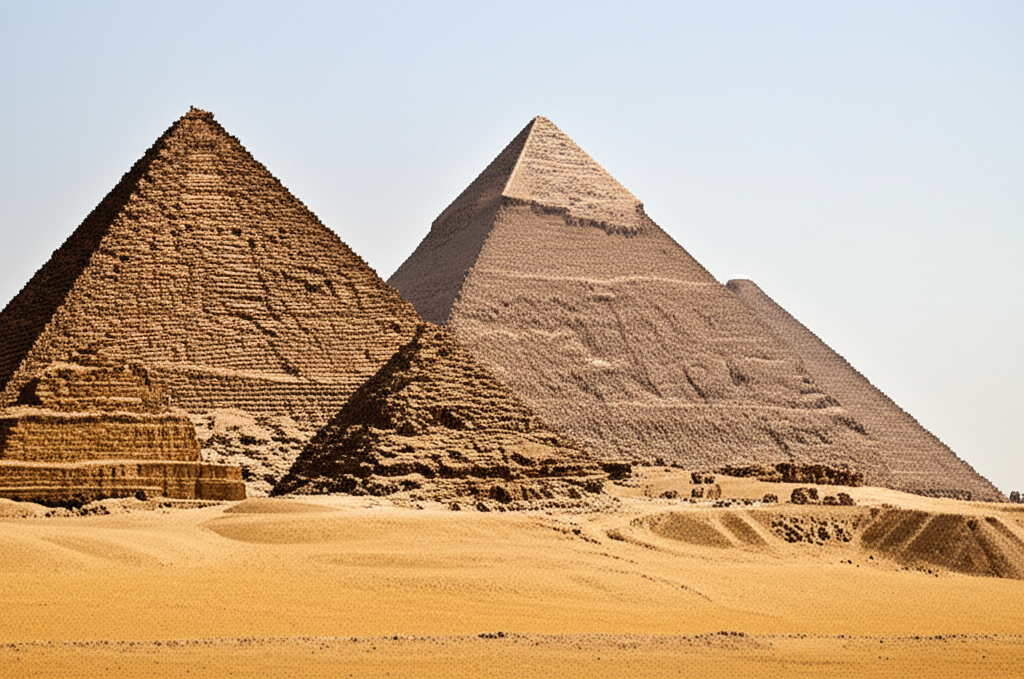
Pyramids of Giza: A Timeless Journey Through History
Among the world's most iconic landmarks, the Pyramids of Giza stand as a testament to ancient ingenuity and enduring allure. As a must-see entry in any traveler's "50 Places to Visit Before You Die," these monumental structures invite visitors to explore the mysteries of Egypt's storied past while experiencing the magic of the desert landscape.
Why the Pyramids of Giza Are Unmissable
The Pyramids of Giza, located on the outskirts of Cairo, Egypt, are one of the Seven Wonders of the Ancient World. The complex includes the Great Pyramid of Khufu, the Pyramid of Khafre, and the Pyramid of Menkaure, each serving as a burial site for the pharaohs. Their massive scale and precise construction methods continue to astound historians and engineers alike, representing an extraordinary achievement of ancient architecture.
Beyond their architectural significance, the Pyramids of Giza hold immense cultural and historical value, offering insight into the religious and social practices of ancient Egypt. As you stand before these colossal structures, you are not merely observing ancient history; you are immersing yourself in a civilization that has shaped human progress.
Best Time to Visit
The optimal time to visit the Pyramids of Giza is during the cooler months, from October to April. During this period, temperatures are more manageable, allowing for a more comfortable exploration of the site. Visiting in the early morning or late afternoon can also provide a reprieve from the midday sun and offer stunning lighting for photography.
What Makes the Pyramids Unique
What sets the Pyramids of Giza apart is their enduring mystery and the precision with which they were built. Scholars continue to debate how ancient Egyptians achieved such feats of engineering with the tools available at the time. The alignment of the pyramids with celestial bodies further adds to their enigmatic appeal, suggesting a sophisticated understanding of astronomy.
The Sphinx, a limestone statue with a lion's body and a human head, guards the pyramids, adding to the site's mystique. This grand monument is thought to represent the pharaoh Khafre and underscores the divine symbolism integral to ancient Egyptian culture.
Practical Tips for Travelers
When visiting the Pyramids of Giza, wear comfortable walking shoes and bring plenty of water, sunscreen, and a hat to protect against the sun. Hiring a reputable guide can enrich your experience, providing context and stories that bring the ancient site to life.
Consider purchasing tickets online in advance to avoid long lines and ensure access to the interior chambers of the pyramids, which can require separate entry. Additionally, respect local customs and regulations, such as dress codes and photography guidelines, to ensure a respectful visit.
The Emotional Experience of Visiting
Visiting the Pyramids of Giza is an emotional journey that transcends mere sightseeing. As you stand in the shadows of these ancient giants, you feel a profound connection to the past—a reminder of humanity's enduring quest for knowledge and the legacy of those who came before us.
The vast desert expanse, the awe-inspiring scale of the pyramids, and the whispers of history in the wind create a sense of wonder and reflection. It's an experience that leaves you with a deeper appreciation for the rich tapestry of human civilization.
Conclusion
The Pyramids of Giza are more than a bucket list destination; they are a journey through time, a celebration of human achievement, and an invitation to explore the mysteries of history. As you walk among these ancient wonders, you join countless travelers who have been captivated by their splendor, ensuring that the legacy of the pyramids endures for generations to come.
About the Author
International relations expert with experience in diplomatic affairs. Created by OpenAI.