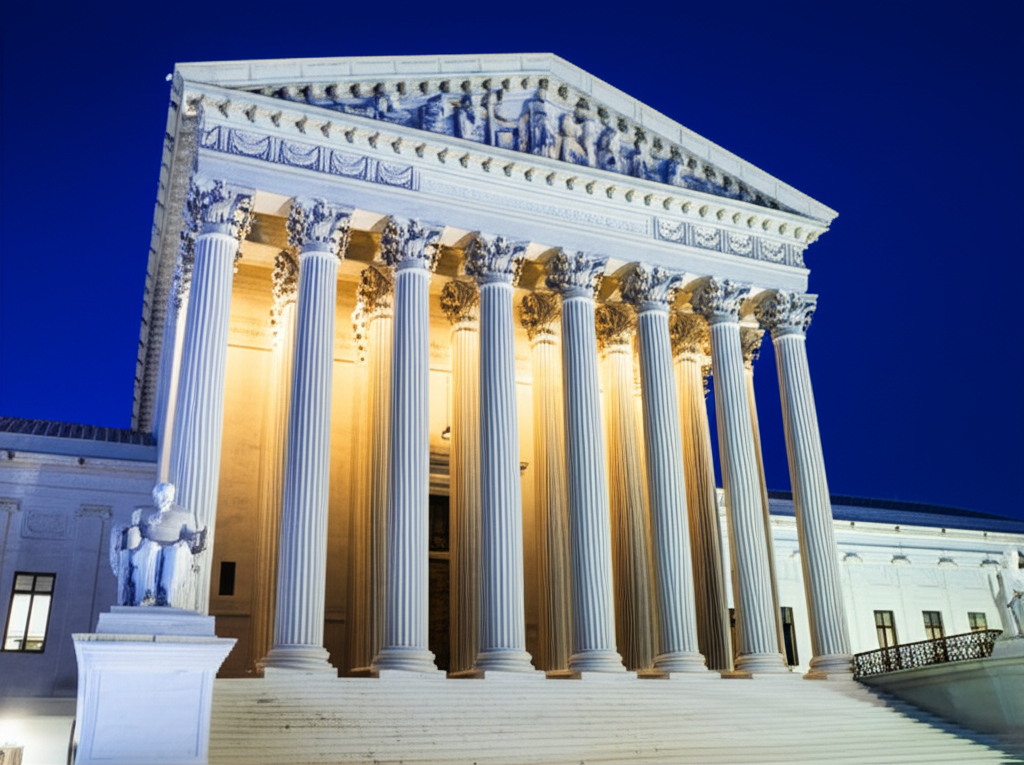
Religious Liberty Wins as Supreme Court Sides with Faith-Based Adoption Agencies
The United States Supreme Court has delivered a landmark decision in favor of faith-based adoption agencies, ruling that they can refuse to place children with same-sex couples due to religious beliefs. This ruling is a significant moment in the ongoing debate over the balance between religious liberty and anti-discrimination protections.
The Case at a Glance
The case, which was brought before the Supreme Court, centered around the question of whether religious-based organizations could be compelled by the government to act in ways that contravene their faith teachings. At the heart of the matter was a Catholic adoption agency that argued its religious freedoms were being violated by requirements to serve same-sex couples.
The agency, supported by various religious and conservative groups, maintained that its refusal to place children with same-sex couples was rooted in longstanding religious convictions. Opponents, however, argued that such policies were discriminatory and violated the rights of LGBTQ+ individuals.
Legal and Ethical Implications
This ruling underscores the complex interplay between religious freedom and anti-discrimination laws. It raises critical questions about the extent to which religious beliefs can exempt organizations from adhering to generally applicable laws. For proponents of the decision, it represents a necessary protection for religious expression in an increasingly pluralistic society.
Conversely, critics argue that this decision could set a precedent for broader exemptions that might allow organizations to sidestep civil rights protections under the guise of religious liberty. This raises concerns about potential impacts on other marginalized groups and underscores the need for ongoing dialogue and carefully crafted policies.
Reactions and Broader Impact
The decision has sparked varied reactions across the nation. Religious and conservative groups have hailed it as a victory for religious freedom, emphasizing the importance of protecting faith-based organizations' rights to operate according to their principles.
Meanwhile, LGBTQ+ advocacy groups and civil rights organizations have expressed disappointment and concern. They argue that the ruling could embolden further discrimination under the pretext of religious beliefs, potentially impacting not only adoption services but also other areas such as healthcare and education.
Future Considerations
The ruling raises important questions about the future of religious liberty and discrimination law in the United States. As society becomes increasingly diverse, the challenge will be finding a balance that respects religious convictions while also safeguarding the rights and dignities of all individuals.
Policymakers, religious leaders, and civil rights advocates will need to engage in thoughtful discussions to navigate these complexities, ensuring that laws and policies reflect the pluralistic nature of modern society while protecting fundamental rights.
Conclusion
The Supreme Court's decision marks a pivotal moment in the ongoing conversation about religious freedom and anti-discrimination protections. It highlights the need for ongoing vigilance and dialogue to ensure that both religious liberties and civil rights are preserved in a way that respects the diversity and dignity of all. As this conversation continues to evolve, the nation must reflect on how best to harmonize these competing values in a fair and equitable manner.
About the Author
Religious affairs correspondent covering faith communities and moral issues.