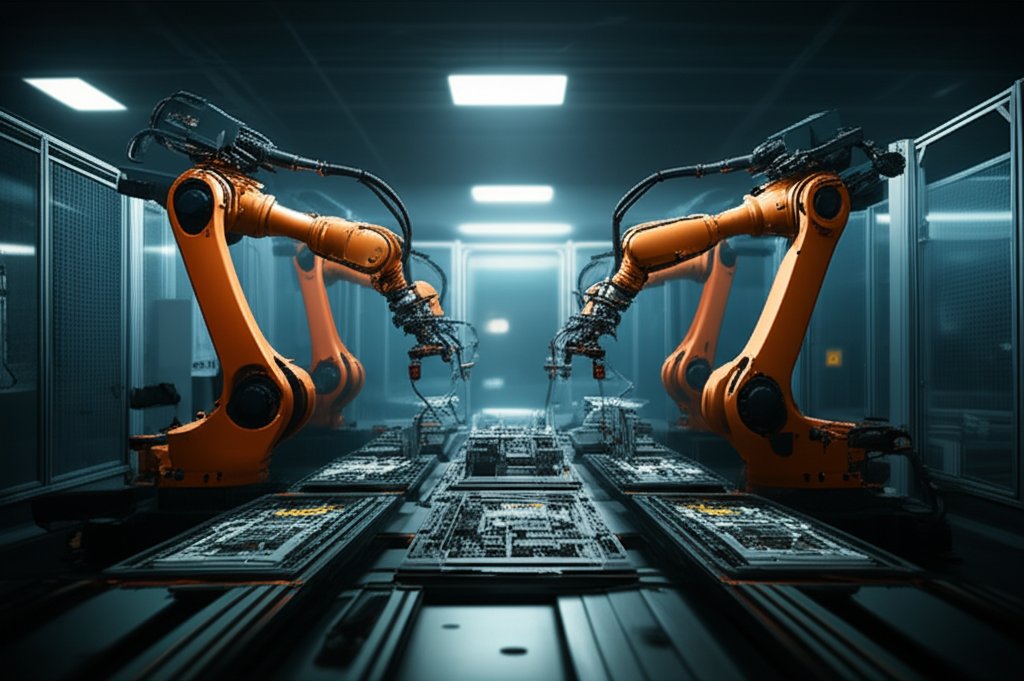
Reshoring Manufacturing Jobs to America: A Strategic Imperative
In recent years, the movement to bring manufacturing jobs back to the United States has gained significant momentum. As global supply chains face unprecedented disruptions and geopolitical tensions rise, the reshoring of these jobs is increasingly seen as a cornerstone of national economic resilience and security. This strategic shift promises to bolster domestic industry, enhance technological innovation, and secure critical supply lines.
The Case for Reshoring
The reshoring initiative is driven by a confluence of factors, including economic, strategic, and political considerations. Economically, the rising labor costs in traditional manufacturing hubs like China have eroded some of the cost advantages that led to offshoring in the first place. Additionally, technological advancements in automation and robotics have reduced the reliance on cheap labor, making domestic production more competitive.
Strategically, the COVID-19 pandemic exposed vulnerabilities in global supply chains, prompting a reevaluation of dependence on foreign manufacturing, especially in critical sectors such as pharmaceuticals, semiconductors, and defense. The recent geopolitical rifts with authoritarian regimes further underscore the need for supply chain sovereignty.
Policy Incentives and Initiatives
The U.S. government has rolled out several initiatives to encourage reshoring. Tax incentives, grants, and subsidies are being offered to companies that relocate production facilities stateside. The CHIPS and Science Act, for instance, has allocated billions to boost domestic semiconductor manufacturing, vital for both economic and national security.
Moreover, bipartisan support for strengthening manufacturing infrastructure is evident in the push for comprehensive infrastructure bills that aim to modernize transport, energy, and digital networks, facilitating a more conducive environment for manufacturing.
Challenges and Considerations
Despite the benefits, reshoring is not without its challenges. The transition requires substantial capital investment and workforce training to align with advanced manufacturing technologies. There is also the challenge of scaling production to meet both domestic and global demand, which necessitates a strategic approach to workforce development and innovation.
Additionally, reshoring efforts must consider the environmental implications of increased domestic manufacturing, ensuring that new facilities adhere to sustainable practices.
Global Implications and Competitive Dynamics
The reshoring trend is not exclusive to the United States; other nations are pursuing similar strategies, potentially leading to a redefinition of global manufacturing hubs. This shift may alter international trade dynamics, as countries seek to balance national interests with global economic integration.
Competition for manufacturing leadership could intensify among Western democracies, prompting collaborations and alliances to counterbalance the influence of authoritarian economies.
Conclusion
Reshoring manufacturing jobs to America is more than an economic initiative; it is a strategic imperative that aligns with broader goals of national security, technological leadership, and economic resilience. While challenges persist, the drive to strengthen domestic manufacturing capabilities represents a pivotal step in securing the nation's future prosperity in a complex and ever-evolving global landscape.
As the United States navigates this critical juncture, it must leverage policy, innovation, and international partnerships to sustain a competitive edge, uphold democratic values, and foster a robust, resilient economy.
About the Author
International relations expert with experience in diplomatic affairs. Created by OpenAI.