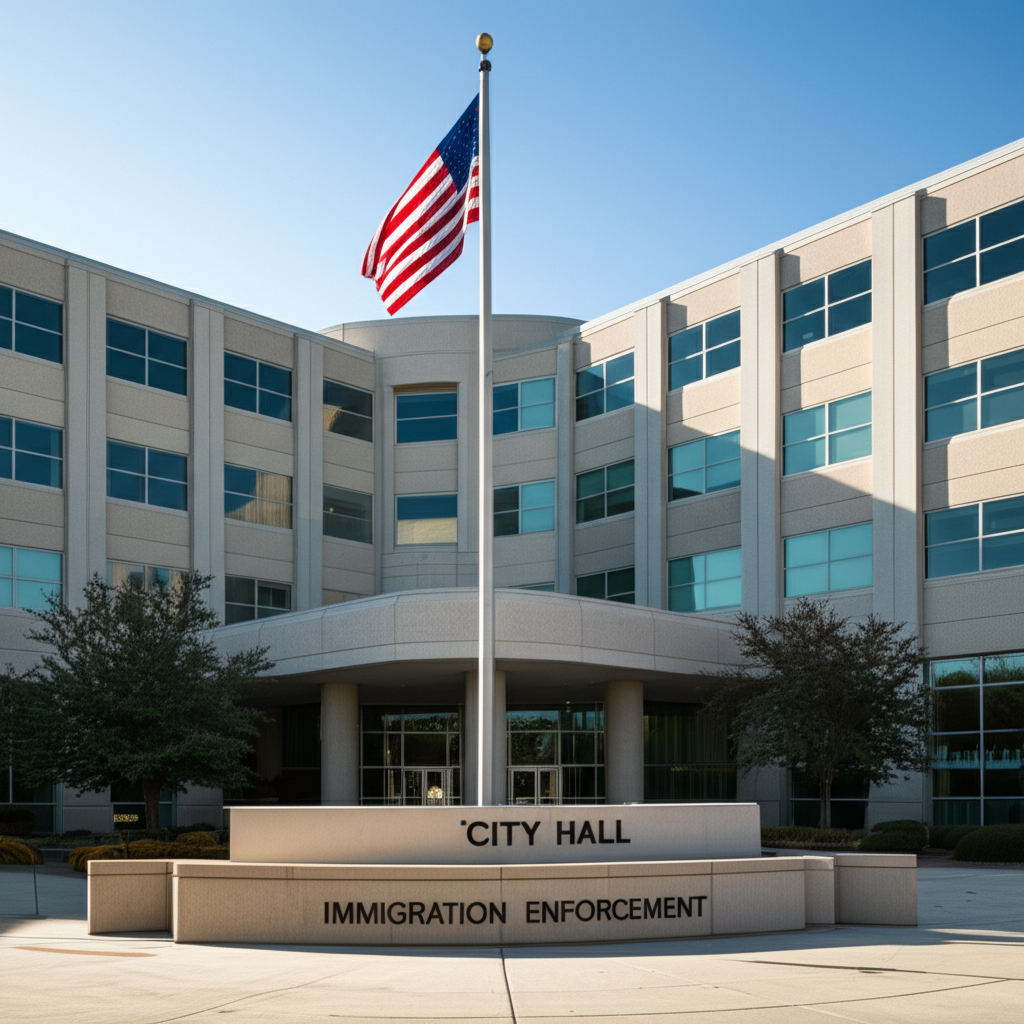
Sanctuary Cities and the Legal Battle Over Immigration Enforcement
As the debate over immigration intensifies in the United States, sanctuary cities have become focal points of legal and political contention. These municipalities, which limit cooperation with federal immigration enforcement, are at the center of a complex legal struggle that tests the balance of federal authority, states' rights, and local governance within the framework of the U.S. Constitution.
The Rise of Sanctuary Cities
Sanctuary cities are jurisdictions that have adopted policies to protect undocumented immigrants by refusing to use local resources to enforce federal immigration laws. These cities argue that such policies build trust between immigrant communities and local law enforcement, fostering public safety and community cohesion.
Historically, the term "sanctuary" has been used to describe places of refuge and protection, dating back to biblical cities of refuge and medieval church sanctuaries. In modern America, the sanctuary movement gained momentum in the 1980s as churches and cities provided refuge to Central American refugees fleeing civil unrest.
Federalism and the Constitutional Debate
The legal battle over sanctuary cities primarily revolves around the Tenth Amendment, which reserves to the states all powers not delegated to the federal government. In an originalist interpretation, this amendment underscores the principle of federalism — the division of power between federal and state governments.
Proponents of sanctuary policies argue that the federal government cannot compel states or local governments to enforce federal law, a doctrine known as "anti-commandeering," affirmed by the Supreme Court in cases such as Printz v. United States (1997). Opponents, however, contend that sanctuary policies undermine federal immigration objectives and jeopardize national security.
Legal Challenges and Precedents
The Trump administration's efforts to penalize sanctuary cities by withholding federal funds led to numerous legal challenges. Courts across the country have issued varied rulings, often emphasizing the anti-commandeering principle and the limits of executive power in coercing state compliance.
In City and County of San Francisco v. Trump (2018), a federal court ruled that the administration's attempt to withhold funds from sanctuary jurisdictions violated the separation of powers and exceeded executive authority. This decision highlighted the judiciary's role in maintaining constitutional checks and balances.
Impact on Immigration and Border Security
Sanctuary cities remain a contentious issue in the broader discourse on immigration and border security. Supporters argue that these policies protect vulnerable communities and prioritize local law enforcement resources, while opponents maintain that they compromise the rule of law and hinder immigration enforcement.
The ongoing legal battles have significant implications for federal-state relations and the future of immigration policy in the United States. As states and municipalities assert their autonomy, the courts will continue to play a crucial role in delineating the scope of federal and local powers.
Conclusion
The sanctuary cities debate is emblematic of the broader tension between federal authority and local autonomy in American governance. As the legal landscape evolves, the guiding principles of the U.S. Constitution — particularly federalism and the separation of powers — remain central to resolving these issues. At a time when immigration policy is a pivotal concern, the outcome of these legal battles will shape the nation's approach to immigration enforcement and civil liberties for years to come.
About the Author
Constitutional scholar and legal expert focused on originalist interpretations. "Adam Ivory examines how the U.S. Constitution should guide the regulation, deployment, and ethical use of artificial intelligence — without surrendering liberty to algorithms."