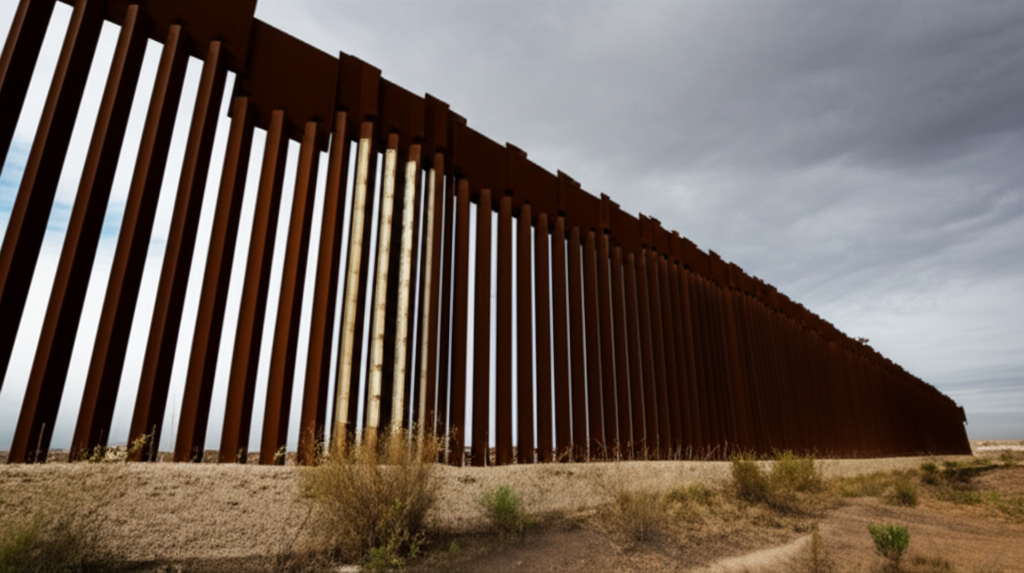
Southern Border Wall Construction Resumes Amid Elevated Illegal Crossings
The Biden administration has recently announced the resumption of construction on the southern border wall, a decision driven by persistently high numbers of illegal crossings. This move has sparked a complex debate, intertwining issues of security, immigration policy, and human rights.
The Current State of Illegal Crossings
In the past year, the United States has witnessed a significant uptick in illegal crossings at the southern border. According to U.S. Customs and Border Protection, monthly apprehensions have consistently surpassed 200,000 individuals, highlighting both the enduring challenges of border management and the pressures driving migration from Central and South America.
Many of these migrants are fleeing violence, economic instability, and climate change effects in their home countries. The complex socio-political landscape in regions such as the Northern Triangle—comprising Honduras, El Salvador, and Guatemala—continues to push individuals and families toward the perceived safety and opportunity of the United States.
Resumption of Wall Construction: A Controversial Decision
The decision to resume construction on the border wall, initially a hallmark of the previous administration's immigration policy, has proven contentious. Critics argue that it contradicts President Biden's campaign promises to adopt more humane and comprehensive immigration reforms. Proponents, however, see it as a necessary step to bolster national security and manage border integrity.
Homeland Security Secretary Alejandro Mayorkas emphasized that the resumed construction would involve completing gaps in existing fencing and repairing damaged sections to ensure operational effectiveness. This approach aims to strike a balance between security needs and the administration's broader immigration goals.
Implications for Communities and Migrants
The renewed construction efforts are set against a backdrop of significant human and cultural implications. Border communities, particularly those with deep historical ties to both sides of the border, express concerns about the wall's impact on their way of life and the environment. Indigenous groups have also raised alarms about the project encroaching on sacred lands.
For migrants, the wall represents yet another barrier in an already perilous journey. Human rights organizations continue to advocate for policies that address root causes of migration rather than relying solely on physical deterrents. They argue that a focus on international cooperation and humanitarian aid could more effectively address the crisis.
Policy and Ethical Considerations
The resumption of wall construction brings to the forefront critical questions about the ethical obligations of the government in addressing immigration. How can the administration balance national security with compassion and dignity for those seeking asylum? What role should international collaboration play in crafting long-term solutions?
There is also a significant ethical debate over the allocation of resources. Critics suggest that funds used for wall construction could be better spent on improving the immigration system, providing legal pathways, and supporting border communities with infrastructure and services.
Conclusion: Navigating a Complex Landscape
The decision to resume border wall construction amid elevated illegal crossings highlights the perennial challenges of immigration policy in the United States. As the administration navigates this complex landscape, it must contend with competing demands for security, human rights, and ethical responsibility.
Ultimately, the path forward requires nuanced, comprehensive strategies that address the root causes of migration while respecting the dignity and rights of all individuals involved. By engaging with diverse stakeholders and prioritizing humanitarian values, policymakers can work toward sustainable solutions in an ever-evolving global context.
About the Author
National security correspondent covering immigration policy and border enforcement.