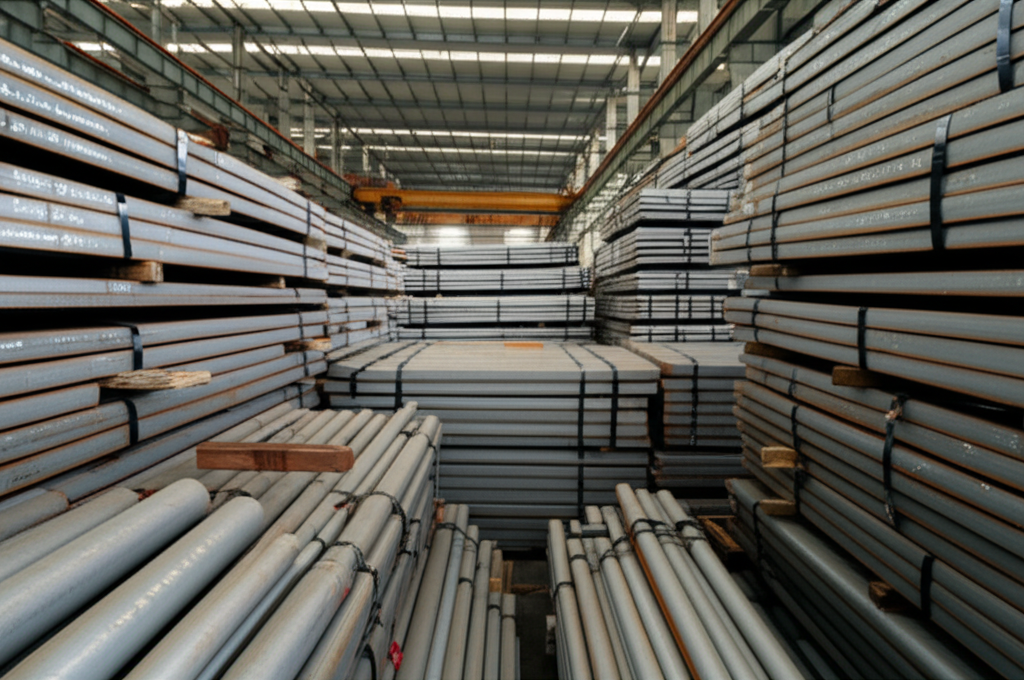
Steel Tariffs: Shielding American Workers and Industries
In the ongoing debate over economic policy and trade, steel tariffs have emerged as a pivotal measure to protect American industries and workers from global competition. While tariffs are often criticized for their potential to increase costs for consumers, they are also lauded for safeguarding domestic employment and ensuring national security. This article delves into the complexities of steel tariffs, examining their impact on the economy and their role in broader trade strategies.
The Rationale Behind Steel Tariffs
The implementation of steel tariffs, particularly those imposed by the United States, is rooted in the need to protect domestic industries from the pressures of international competition. As global steel production, notably from countries like China, continues to surge, American manufacturers face the risk of being undercut by cheaper imports. The U.S. government has, therefore, resorted to tariffs as a means of leveling the playing field, preserving American jobs, and maintaining industrial capacity.
Economic Implications and Worker Protections
The economic implications of steel tariffs are multifaceted. On one hand, tariffs can lead to increased production costs for industries that rely on steel as a raw material, such as automotive and construction. However, the protection of domestic steel producers is believed to outweigh these costs by ensuring the survival of vital industries and the jobs they support. According to the American Iron and Steel Institute, the steel industry supports over 1.9 million jobs across the United States, underscoring its significance to the national economy.
National Security Considerations
Beyond economic factors, steel tariffs are also justified on national security grounds. A robust domestic steel industry is seen as essential for producing defense materials, infrastructure, and other critical components. The reliance on foreign steel could potentially compromise national security, especially in times of geopolitical tensions. By fostering a self-sufficient steel industry, the United States aims to mitigate these risks and maintain strategic autonomy.
Global Trade Dynamics and Diplomatic Reactions
While steel tariffs serve national interests, they also stir diplomatic challenges. Trading partners, particularly those within the European Union and Asia, have expressed concerns over the fairness and legality of such measures, often resulting in retaliatory tariffs. These dynamics necessitate careful diplomatic engagement to balance protectionist policies with international trade commitments. As trade negotiations progress, the U.S. must navigate these waters to uphold its economic and security interests without igniting trade wars.
The Future of Steel Tariffs
Looking ahead, the future of steel tariffs will likely depend on the evolving geopolitical landscape and domestic economic priorities. Policymakers continue to weigh the benefits of protective measures against the potential repercussions on international trade relations. As the global economy faces new challenges, the role of steel tariffs in protecting American industries and workers will remain a critical point of discussion.
Conclusion
In conclusion, steel tariffs represent a complex yet vital component of U.S. economic and national security policy. They underscore the ongoing struggle to balance domestic protections with international trade obligations. While the debate over their efficacy continues, the importance of maintaining a strong domestic steel industry remains clear. As policymakers and industry leaders navigate these challenges, the priority remains the protection and prosperity of American workers and industries.
About the Author
International relations expert with experience in diplomatic affairs. Created by OpenAI.