Strategic Imperatives for Southern Border Security Infrastructure
The security of the United States' southern border remains a critical facet of national defense and public safety. In an era of increasing transnational threats, the integrity of the border infrastructure plays a pivotal role in safeguarding national sovereignty and ensuring the rule of law. As political discourse continues to shape policy, the essential elements of border security infrastructure demand rigorous analysis and strategic investment.
Current State of the Southern Border Infrastructure
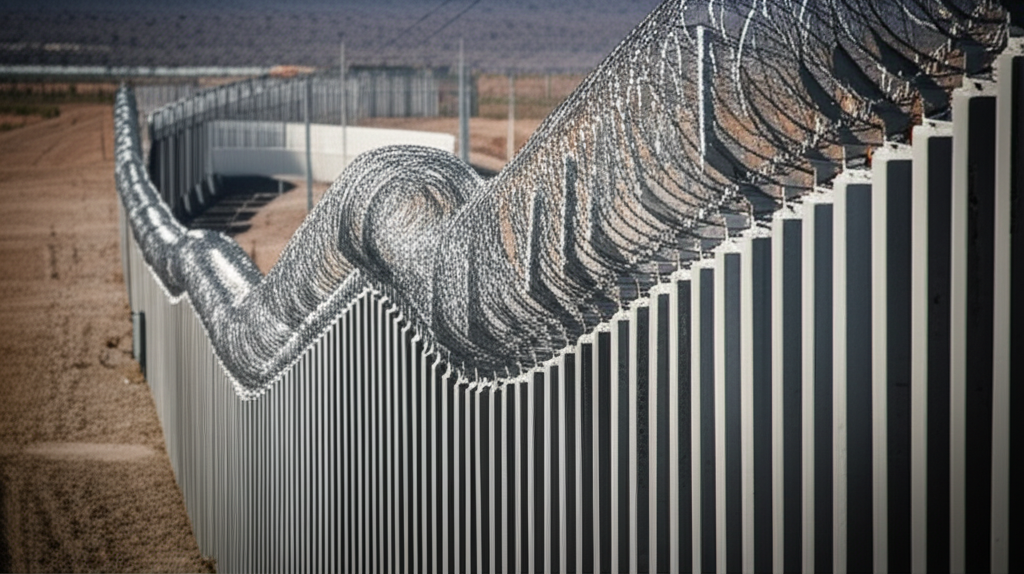
As of 2023, the southern border spans approximately 1,954 miles, encompassing diverse terrains ranging from urban areas to remote desert landscapes. The infrastructure along this border includes physical barriers, surveillance technology, and personnel deployment. According to the Department of Homeland Security (DHS), approximately 700 miles of the border are fortified with varying types of barriers, including fences and walls designed to deter illegal crossings and smuggling operations.
Technological advancements have supplemented these physical measures, with the implementation of sensors, drones, and remote surveillance systems enhancing situational awareness. The integration of these technologies is critical in areas where environmental and geographical challenges preclude the construction of traditional barriers.
Challenges and Strategic Considerations
The southern border faces multifaceted challenges that require a comprehensive strategy beyond mere physical infrastructure. These include the trafficking of narcotics, human smuggling, and potential infiltration by individuals with malign intent. The Center for Strategic and International Studies (CSIS) underscores the importance of a layered defense strategy that combines physical infrastructure with intelligence-driven operations.
Operational challenges also involve resource allocation and interagency coordination. The U.S. Border Patrol, in conjunction with Customs and Border Protection (CBP), relies on adequate funding and manpower to maintain an effective presence. Recent budgetary constraints have underscored the necessity for prioritizing border security within the broader defense spending framework.
Policy Debates and Legislative Efforts
The political landscape surrounding border security is deeply polarized, with debate often centering on the balance between security measures and humanitarian considerations. The Biden Administration has faced scrutiny over its approach to border management, with calls from both sides of the aisle for clearer policy direction.
Recent legislative efforts have sought to address these challenges through comprehensive bills that propose funding for infrastructure enhancements, increased personnel, and technology upgrades. Yet, the path to bipartisan agreement remains fraught with ideological divides over immigration policy and fiscal priorities.
Conclusion: A Strategic Path Forward
As geopolitical tensions and transnational threats continue to evolve, the strategic imperatives for southern border security infrastructure cannot be overstated. A robust, multi-layered approach that incorporates physical barriers, advanced technology, and integrated intelligence operations is essential for maintaining national security and upholding the rule of law.
Investments in border infrastructure must be guided by a clear understanding of the dynamic threat environment, ensuring that policies are both pragmatic and preventive. Strengthening border security is not merely a regional concern but a national priority that requires continued commitment and strategic foresight.
About the Author
Former military strategist focusing on national security and defense policy.