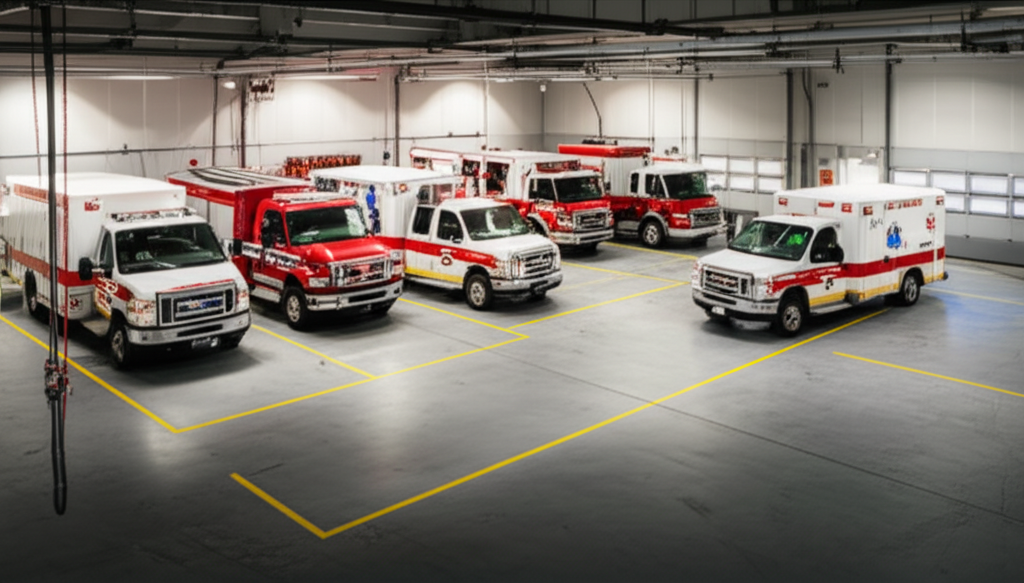
Supporting First Responders: A Pillar of Democratic Societies
First responders are the backbone of public safety in democratic societies, performing critical roles in emergencies ranging from natural disasters to terrorist attacks. As nations grapple with increasing threats and a rapidly changing global landscape, the support and empowerment of these dedicated professionals have become more crucial than ever.
The Role of First Responders in Crisis Management
First responders, including police officers, firefighters, paramedics, and emergency medical technicians, are often the first on the scene during crises. Their swift action can mean the difference between life and death. In recent years, their roles have expanded to include dealing with complex situations like cyber threats, pandemics, and large-scale evacuations.
According to the Federal Emergency Management Agency (FEMA), the number of major weather-related disasters in the United States has increased, placing additional pressure on first responders. These professionals are tasked with not only immediate response but also community preparedness and recovery efforts.
Challenges Facing First Responders
First responders face numerous challenges, including inadequate funding, mental health issues, and occupational hazards. A study by the Substance Abuse and Mental Health Services Administration highlights that first responders have a higher risk of experiencing PTSD, depression, and anxiety compared to the general population.
Funding shortfalls often lead to outdated equipment and insufficient staffing, which can hinder response efforts. The National Association of State EMS Officials reported that many emergency services across the U.S. are operating with budget constraints, impacting their ability to fully equip and train their personnel.
Government and Community Support
Support for first responders must come from both government initiatives and community involvement. Legislative measures, such as the First Step Act and various state-level funding bills, have been introduced to enhance training, provide mental health resources, and improve infrastructure.
Community programs are equally vital, with initiatives that encourage public awareness, volunteer involvement, and partnerships between emergency services and local businesses. Such collaborations can strengthen the resilience of communities in the face of adversity.
Global Perspectives on First Responder Support
Internationally, the support and development of first responder programs are seen as essential to national security and public health. Countries like Israel have set benchmarks with their advanced emergency response systems, integrating technology and strategic planning to enhance efficiency.
In contrast, nations with less developed infrastructure face significant challenges in building robust first responder capabilities. The United Nations has called for increased international cooperation to support these countries through training programs and resource sharing.
Conclusion: A Call to Action
As we witness the increasing complexity of global threats, it is imperative that democratic societies prioritize the support of their first responders. This involves not only financial investment but also a cultural commitment to valuing and protecting those who serve on the front lines.
In ensuring the safety and preparedness of first responders, we safeguard the very foundations of our communities, upholding the democratic values of security, resilience, and freedom.
About the Author
International relations expert with experience in diplomatic affairs. Created by OpenAI.