Supreme Court Case Over Marijuana Users' Gun Rights Sparks Unusual Alliances
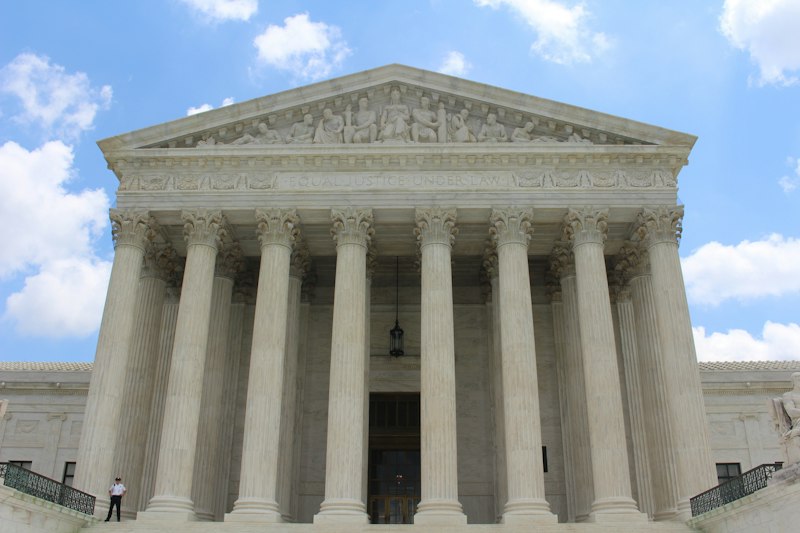
The United States Supreme Court is preparing to hear a case that brings to the forefront an intriguing intersection of constitutional rights and federal drug policy. As marijuana laws continue to evolve across the nation, the question of whether marijuana users have the right to own firearms has prompted unexpected coalitions among legal advocates and policymakers. This case will test the boundaries of the Second Amendment against federal restrictions on gun ownership by those who use controlled substances.
The Case at Hand: A Clash of Rights and Regulations
At the heart of the Supreme Court case is the federal statute that prohibits individuals who use illegal drugs, including marijuana, from possessing firearms. Although marijuana remains classified as a Schedule I substance under federal law, many states have legalized its use for medicinal or recreational purposes. This dichotomy between state and federal law complicates the rights of marijuana users who wish to exercise their Second Amendment rights.
The case arose when a legal gun owner, who also uses marijuana legally under state law, was denied the ability to purchase a firearm. This denial was based on the federal prohibition, which has led to a broader legal debate about the intersection of individual rights and federal drug policy.
Unusual Alliances: Bridging Ideological Divides
The case has drawn attention because it has united groups that typically find themselves on opposing sides of legal debates. Gun rights advocates and criminal justice reformers have both expressed interest in the case, albeit for different reasons.
- Gun rights organizations argue that the federal prohibition is an overreach that infringes upon the constitutional rights of individuals who are otherwise law-abiding citizens.
- Criminal justice reformers see this as an opportunity to challenge outdated drug policies that they believe disproportionately impact marginalized communities.
Legal Precedents and Constitutional Interpretation
The upcoming Supreme Court decision will likely hinge on previous interpretations of the Second Amendment and the federal government's interest in regulating firearms. Historical context from decisions such as District of Columbia v. Heller and McDonald v. City of Chicago will play a pivotal role. The Court's approach will need to balance the originalist understanding of the right to bear arms with the government's regulatory powers.
Moreover, the tension between state sovereignty and federal oversight is a recurring theme in American jurisprudence. The Court's ruling could set a significant precedent for how these powers are negotiated, particularly in the realm of drug policy and gun rights.
Implications for Future Policy and Society
A decision favoring the gun owner could pave the way for more robust challenges to federal marijuana laws, potentially influencing national drug policy reform. Conversely, upholding the federal prohibition could reaffirm the government's authority to impose restrictions on gun ownership linked to drug use, regardless of state laws.
As the nation watches this case unfold, the ramifications extend beyond the immediate parties involved, potentially affecting millions of Americans who find themselves at the crossroads of evolving state laws and rigid federal statutes.
Conclusion: A Pivotal Moment in Legal History
The Supreme Court's decision in this case could redefine the landscape of both Second Amendment rights and federal drug policy. In a time where societal norms and legal frameworks are rapidly changing, this case highlights the enduring challenge of reconciling individual freedoms with collective safety.
As we await the Court's ruling, the nation remains engaged in a broader conversation about the role of government, the rights of individuals, and the future of American law and policy.
About the Author
Constitutional scholar and legal expert focused on originalist interpretations. "Adam Ivory examines how the U.S. Constitution should guide the regulation, deployment, and ethical use of artificial intelligence — without surrendering liberty to algorithms."