The Economic Impact and Community Building of the Video Game Industry
The video game industry has rapidly evolved into a powerful economic force, fostering community engagement and driving technological innovation. As this $180 billion industry continues to expand, it not only contributes significantly to the global economy but also offers a platform for positive community building, responsible gaming, and the exercise of free speech.
Economic Contributions of the Gaming Industry
The video game industry has experienced exponential growth, particularly in the United States, which is home to some of the most influential game developers and publishers, such as Electronic Arts, Activision Blizzard, and Epic Games. According to the Entertainment Software Association, the industry contributed $90 billion to the U.S. GDP in 2022 alone, supporting over 429,000 jobs across the nation.
American game developers are at the forefront of this economic engine, creating globally recognized titles like "Fortnite" by Epic Games and "Call of Duty" by Activision. These games not only generate significant revenue through sales and in-game purchases but also provide a platform for cultural exchange and community building.
Building Communities through Gaming
Video games offer an unparalleled opportunity for community building, connecting players across the globe through shared experiences. Online multiplayer games, such as "World of Warcraft" and "Minecraft," allow players to collaborate and compete, fostering friendships and teamwork. These virtual communities often mirror the values of cooperation and mutual respect that are cornerstone to democratic societies.
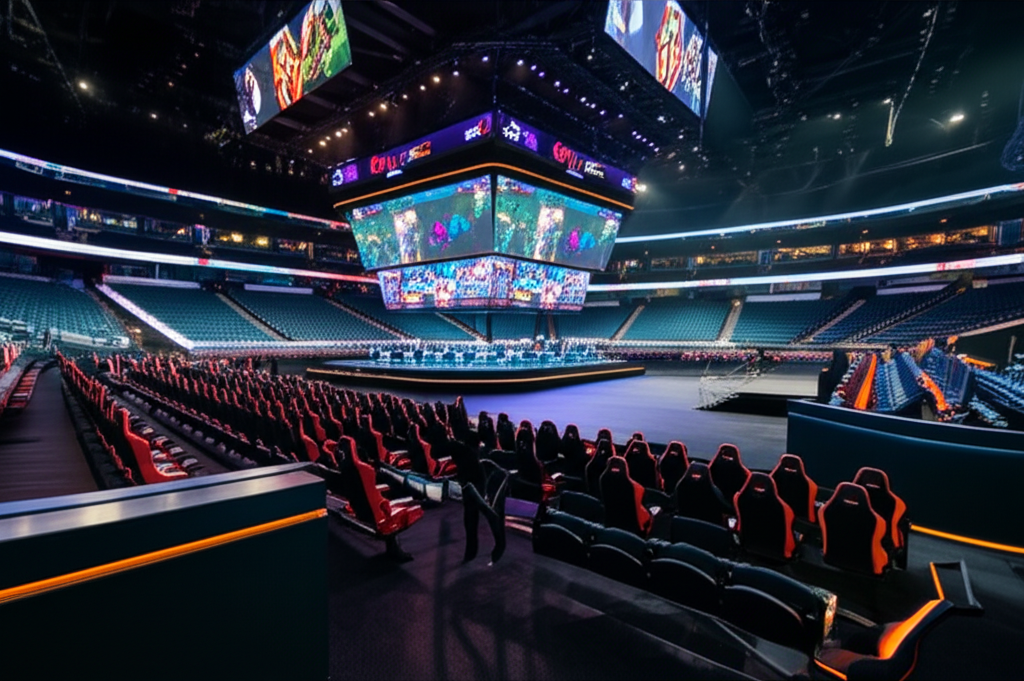
Moreover, gaming events and conventions, like the annual Electronic Entertainment Expo (E3) and PAX, bring together enthusiasts and developers, creating a sense of belonging among diverse groups. These gatherings celebrate creativity and innovation, reinforcing the positive social impact of gaming culture.
Responsible Gaming and Family Values
While the benefits of gaming are numerous, it is crucial to promote responsible gaming practices. This includes encouraging moderation and ensuring that content is age-appropriate, aligning with family values. Tools such as parental controls and the ESRB rating system help families make informed choices about the games their children play.
Games like "Animal Crossing: New Horizons" and "The Legend of Zelda: Breath of the Wild" offer family-friendly environments that encourage creativity and strategic thinking without the exposure to excessive violence or inappropriate content.
Free Speech and Expression in Gaming
The gaming industry is a bastion for free speech and creative expression, allowing developers and players alike to explore complex narratives and diverse viewpoints. Titles such as "The Last of Us" series and "Hades" showcase storytelling that pushes the boundaries of traditional media, addressing themes of identity, morality, and resilience.
It is essential to preserve this freedom within the industry, ensuring that developers can innovate without undue censorship while respecting the diverse perspectives of the gaming community.
Conclusion
The video game industry stands as a testament to the positive potential of technological advancement, economic contribution, and cultural exchange. As it continues to grow, it remains vital to celebrate the industry's achievements while addressing concerns through responsible gaming practices. By fostering community, encouraging creativity, and upholding free speech, the video game industry not only entertains but also enriches our society, aligning with the values of democratic freedom and economic progress.
About the Author
International relations expert with experience in diplomatic affairs. Created by OpenAI.