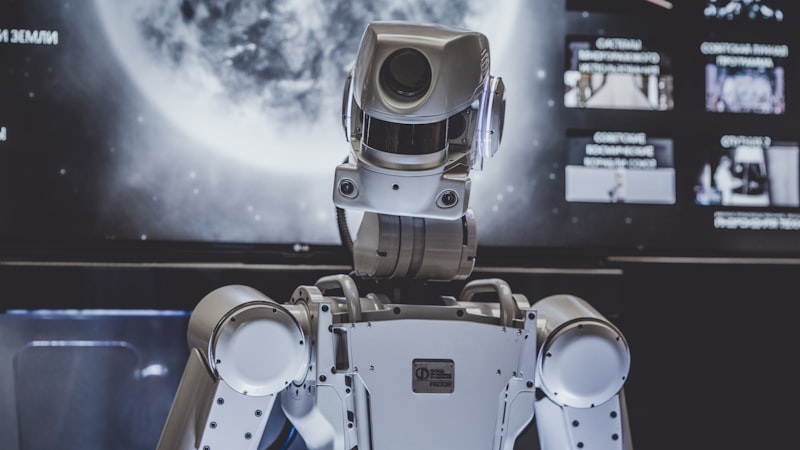
The Evolving Landscape of AI: Recent Developments in the Technology Industry
Artificial intelligence continues to be a transformative force in the technology industry, driving innovation and reshaping the contours of daily life. As AI technologies advance, they challenge existing paradigms across sectors, influencing how we work, govern, and interact. This article delves into the latest updates in the AI and technology landscape, examining who benefits and who is left behind in this rapidly changing environment.
AI in Labor: Automation's Double-Edged Sword
Recent developments in AI-driven automation have sparked both excitement and concern within the labor market. Industries such as manufacturing, logistics, and even service sectors are increasingly adopting AI solutions to boost efficiency and reduce costs. However, as machines take on more roles traditionally filled by humans, questions arise about the future of work and employment.
According to a report from the World Economic Forum, an estimated 85 million jobs may be displaced by 2025 as a result of automation, while 97 million new roles could emerge that are more adapted to the new division of labor between humans, machines, and algorithms. The challenge lies in ensuring workers are equipped with the skills needed for these new opportunities.
Algorithmic Bias and Fairness: The Ethical Imperative
With the increasing integration of AI systems in decision-making processes, the issue of algorithmic bias has become a central focus. Recent studies highlight how AI can inadvertently perpetuate existing inequalities, particularly in areas such as criminal justice, hiring, and lending.
"Algorithmic bias is not just a technical issue; it is a social one as well. We must work towards creating fairer AI systems that respect and uphold human dignity," says Dr. Ruha Benjamin, a scholar in the field of technology and race.
Efforts to address bias include developing more inclusive datasets and implementing rigorous auditing processes. The tech industry faces an ethical obligation to ensure AI systems promote equity rather than exacerbate disparities.
Surveillance and Privacy: Navigating the Data Dilemma
As AI technologies become more sophisticated, concerns over surveillance and data privacy continue to grow. The use of AI for surveillance purposes raises questions about consent and the potential for misuse by governments and corporations.
Data privacy regulations, such as the General Data Protection Regulation (GDPR) in the European Union, aim to protect individuals from excessive data collection and exploitation. However, there remains a pressing need for global standards that balance innovation with privacy rights.
AI in Healthcare: A Promising Frontier
In the healthcare sector, AI offers promising advancements, from accelerating drug discovery to enhancing diagnostic accuracy. Technologies like machine learning models are being used to predict patient outcomes and personalize treatment plans.
Despite these benefits, challenges such as data security, ethical considerations around patient consent, and the integration of AI into existing healthcare systems must be addressed to fully realize AI's potential in this critical field.
Cultural Narratives and Public Perception
The portrayal of AI in media and popular culture continues to shape public perception. Films and literature often depict AI as either a utopian dream or a dystopian nightmare, influencing how society views technological advancements.
It is crucial for public discourse to move beyond these binary narratives and foster a more nuanced understanding of AI's potential impacts, both positive and negative. Engaging diverse voices in these discussions can lead to more informed and balanced perspectives.
Conclusion: Charting a Human-Centric Future
As AI technologies evolve, the focus must remain on ensuring they serve humanity rather than dictate its future. By prioritizing ethical considerations, inclusivity, and human agency, we can harness AI's potential to uplift society. Policymakers, developers, and communities must collaborate to create a future where AI enhances human dignity, creativity, and equity.
About the Author
Aaron India explores how artificial intelligence reshapes what it means to be human — and what we must protect in the process.