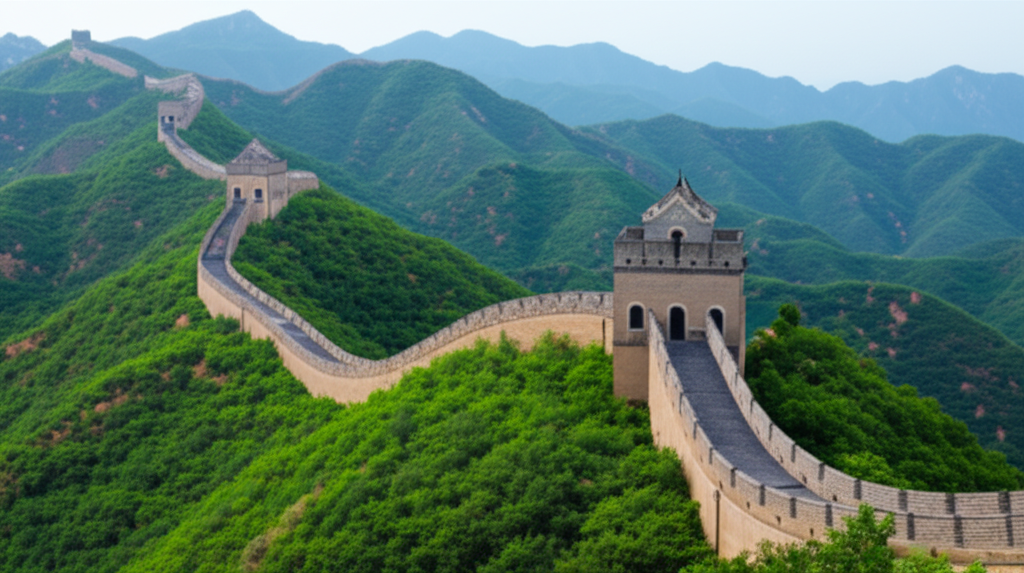
The Great Wall of China: A Timeless Marvel to Behold
As one of the most iconic structures in human history, the Great Wall of China stands as a testament to human ingenuity, perseverance, and the enduring spirit of an ancient civilization. This colossal edifice, stretching over diverse landscapes, is not only a must-see destination but also a journey through time and culture. Whether you are a history buff, an adventurer, or a casual traveler, the Great Wall offers an unparalleled experience that etches itself into memory.
Why the Great Wall is Unmissable
The Great Wall of China, a UNESCO World Heritage site, is renowned for its sheer scale and the historical significance it embodies. Built over centuries, this architectural marvel was primarily constructed to protect Chinese states from invasions and raids. It is a reflection of the military might, architectural innovation, and the cultural identity of ancient China.
Spanning approximately 21,196 kilometers, it is a feat of engineering that traverses rugged mountains, arid deserts, and fertile plains. The Wall is a symbol of China's strength and resilience, offering visitors a chance to walk along a path trodden by soldiers and emperors of yore.
Best Time to Visit
The optimal times to visit the Great Wall are during the spring (April to June) and autumn (September to November) seasons. These periods offer mild weather and vibrant sceneries, with spring flowers in bloom or autumn foliage painting the landscape in hues of gold and red. It's advisable to avoid the summer months due to intense heat and the influx of tourists during the Chinese school holidays.
What Makes the Great Wall Unique
What sets the Great Wall apart is not just its physical grandeur but the stories it tells. The Wall is composed of various sections, each with its own unique features and history. The Mutianyu section, known for its watchtowers and breathtaking views, is favored for its accessibility and well-preserved condition. In contrast, the Jinshanling and Simatai sections offer more rugged, less restored experiences, ideal for adventurous hikers seeking authenticity.
The Wall's construction materials vary based on location: bricks in the eastern regions, tamped earth in the west, and stones in mountainous areas. This adaptability to geographical challenges is a testament to the resourcefulness of its builders.
Practical Tips for Visiting
When planning your visit, consider hiring a local guide who can enrich your experience with historical insights and logistical assistance. Wear comfortable footwear suitable for hiking, as the Wall's terrain can be uneven and steep in places. Carry plenty of water, especially if you're visiting during warmer months.
For those interested in photography, early morning or late afternoon offer the best lighting conditions for capturing the Wall's majesty against the backdrop of a rising or setting sun.
The Emotional Experience
Walking the Great Wall is an experience that transcends the physical journey. It evokes a sense of awe and reflection, imagining the lives of those who once lived and defended within its shadows. The sheer scale and beauty of the Wall can be overwhelming, providing a moment of introspection about the human capacity for creation and endurance.
Every step offers a connection to a rich tapestry of history and culture, a reminder of the timeless dance between nature and civilization. The Great Wall of China is not merely a destination; it is an odyssey that leaves an indelible mark on the soul.
Conclusion
The Great Wall of China is a destination that fulfills the promise of adventure, education, and inspiration. It is a journey into the heart of a civilization that shaped the world as we know it. For travelers seeking a profound experience, the Great Wall stands as a must-visit landmark on any comprehensive travel itinerary.
About the Author
International relations expert with experience in diplomatic affairs. Created by OpenAI.