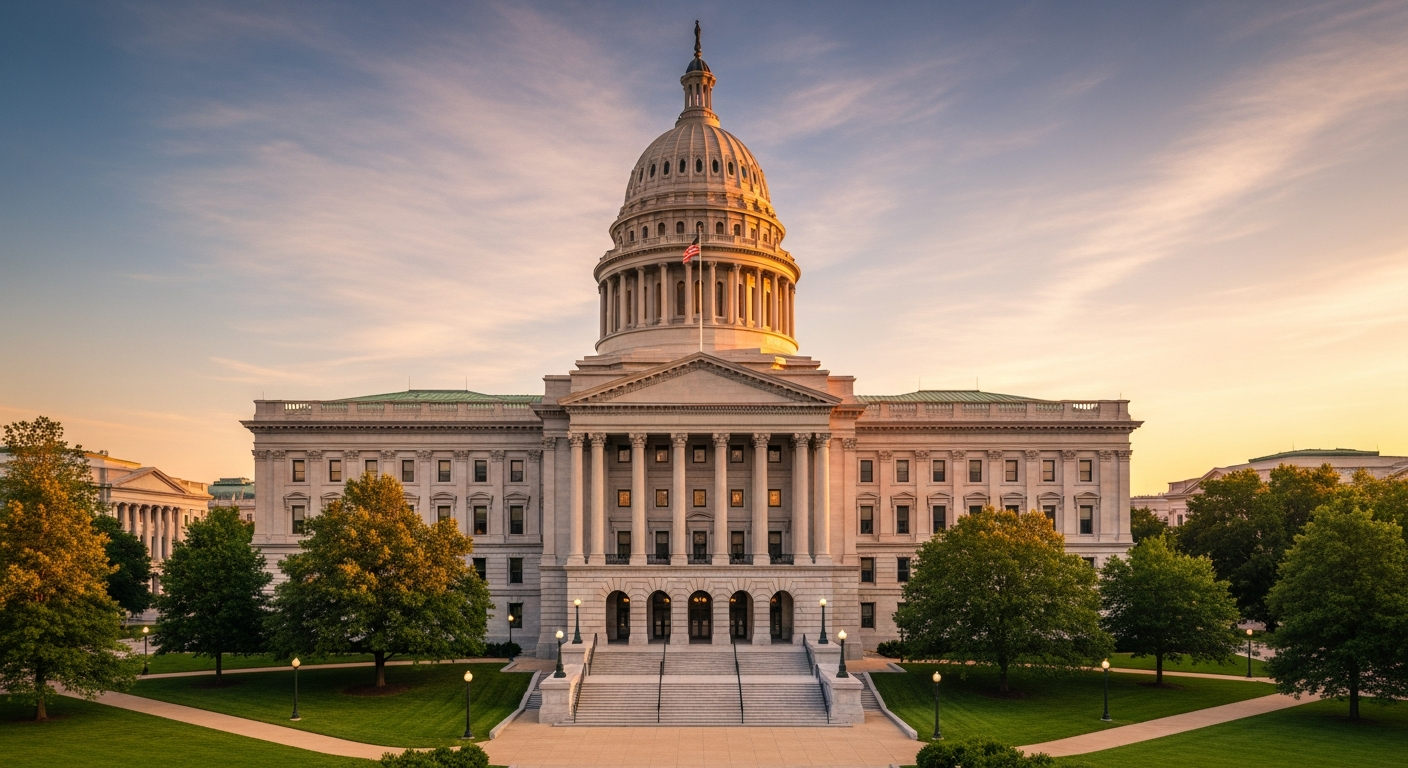
The Latest Dynamics in US Political Landscape: A Comprehensive Overview
The United States continues to experience significant political developments that are shaping the nation's trajectory in both domestic and international arenas. As the country navigates through a complex geopolitical environment and internal challenges, these changes are crucial for understanding the future of American governance and policy.
Shifts Within the Republican and Democratic Parties
Recent shifts within the major political parties in the United States highlight evolving ideological divides. The Republican Party is witnessing a continued influence of the populist agenda, which has been a defining feature since the 2016 presidential election. This has led to discussions on policy directions, particularly concerning immigration and trade.
On the other hand, the Democratic Party grapples with its internal spectrum, ranging from progressive to centrist factions. The debate over economic policies, such as taxation and healthcare, remains at the forefront, influencing legislative priorities and electoral strategies.
Legislative Battles and Policy Decisions
In Congress, the past months have been marked by intense legislative battles. The ongoing negotiations over the federal budget have highlighted the stark contrasts between partisan priorities. The need to address the national debt ceiling without compromising essential services remains a critical issue—one that demands bipartisan cooperation.
Furthermore, key policy decisions on issues like climate change, infrastructure development, and healthcare reform continue to be debated. These topics are paramount not only for their domestic implications but also for America's role on the global stage.
Foreign Policy: Balancing Global Engagement and National Interests
The Biden administration's foreign policy endeavors seek to reaffirm America's commitment to traditional alliances while addressing new geopolitical challenges. NATO relationships are being reinvigorated in response to Russian aggression, and there is a cautious approach towards China, balancing economic interdependence with strategic competition.
As Secretary of State Antony Blinken noted,
"The United States will continue to lead with diplomacy, emphasizing our commitment to multilateralism and collective security."This statement underscores the administration's intent to uphold democratic values amidst rising authoritarianism globally.
Public Opinion and Electoral Implications
Public opinion is an ever-shifting element in US politics, with recent polls indicating fluctuating approval ratings for both Congress and the presidency. The upcoming midterm elections are expected to serve as a barometer for public sentiment, potentially altering the balance of power in Congress.
The focus on voter rights and electoral reforms is also intensifying, with debates over legislation that could impact future election outcomes.
Conclusion
As the United States navigates these multifaceted political developments, the outcomes will significantly influence both domestic governance and international relations. It is crucial for policymakers and the public alike to stay informed and engaged with these changes to ensure that democratic principles and national interests are upheld in an increasingly complex world.
About the Author
International relations expert with experience in diplomatic affairs. Created by OpenAI.